


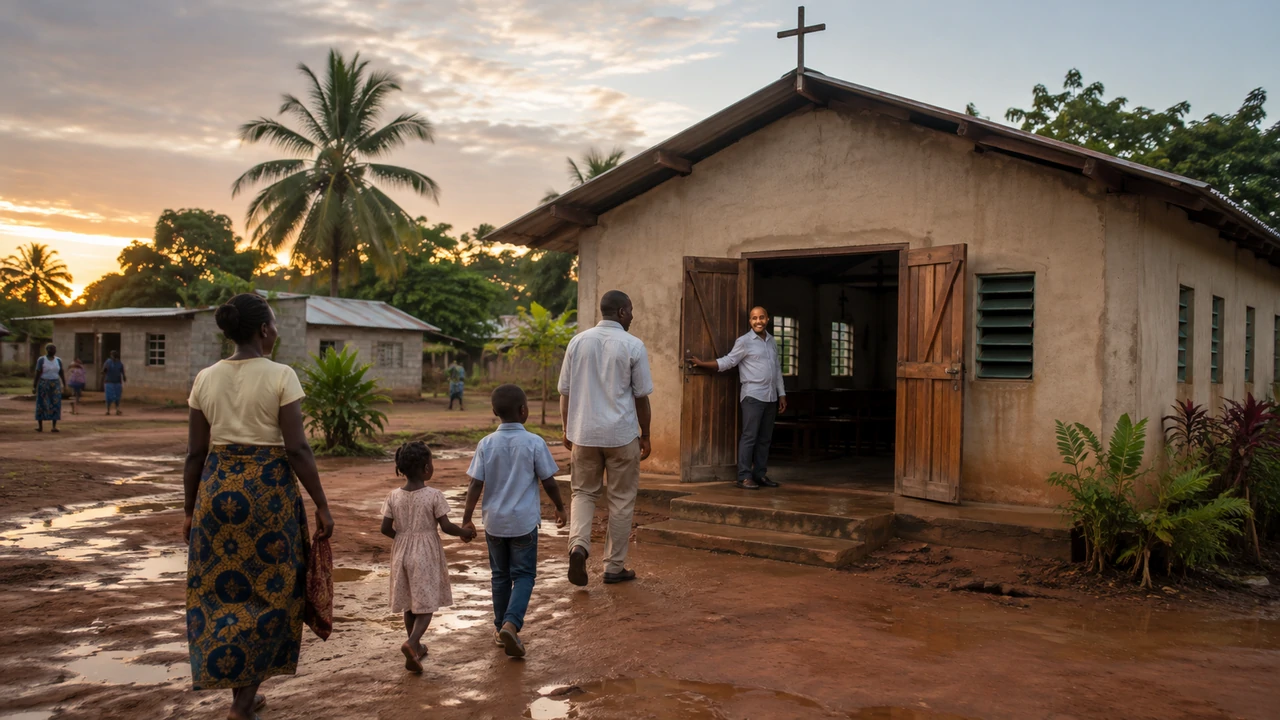
Many Mozambicans identify as Christian. The country also has a substantial Muslim population, especially in the north, and many people follow traditional religious practices or combine them with a Christian or Muslim identity. Across Mozambique, armed violence, displacement, floods, hunger, disease, poverty, and political distrust place heavy but unequal burdens on families and communities.
Prayer Burden at a Glance
Pray for peace and civilian protection in northern Mozambique; shelter, food, healthcare, and restored livelihoods for displaced and disaster-affected families; faithful pastors and churches; honest government and just use of natural resources; protection for children; loving witness among Muslim neighbours; and clear preaching of salvation by grace alone through faith alone in Christ alone.
Last verified: 6 August 2026
Why Mozambique Needs Prayer Now
Mozambique needs prayer for peace in the north, mercy for displaced and disaster-affected families, faithful churches, honest leadership, and clear gospel witness among its many peoples.
In parts of northern Mozambique, especially Cabo Delgado, families have fled armed attacks more than once. Churches and other community buildings have been destroyed, pastors have served scattered congregations, and host communities have welcomed displaced families despite having limited resources themselves.
Other communities face severe flooding, damaged farmland, hunger, unemployment, cholera, weak public services, and the rising cost of daily life. Political distrust and disagreement following the disputed 2024 election have added to the need for truth, justice, peaceful participation, and public accountability.
Mozambique also needs spiritual renewal. Identifying as Christian does not itself prove saving faith. Every person needs to repent of sin and trust in Jesus Christ alone. Churches need faithful biblical teaching, well-equipped pastors, protection from spiritual manipulation, and wisdom to serve suffering neighbours while speaking clearly and lovingly about Christ.
The country’s natural gas resources may bring employment and public revenue, but they also raise serious questions about corruption, land, compensation, whether local communities will benefit, and how public wealth will be managed. Pray that Mozambique’s resources will benefit ordinary communities rather than deepen inequality or resentment.
Country Snapshot
A brief orientation to Mozambique’s current humanitarian, political, religious, and church context.
Conditions differ widely across Mozambique. Some communities experience relative peace and ordinary public life, while parts of the north continue to face armed attacks, insecurity, and repeated displacement. Returning home does not always mean that a family’s crisis has ended: houses may be damaged, farmland abandoned, schools and clinics closed, and local security uncertain.
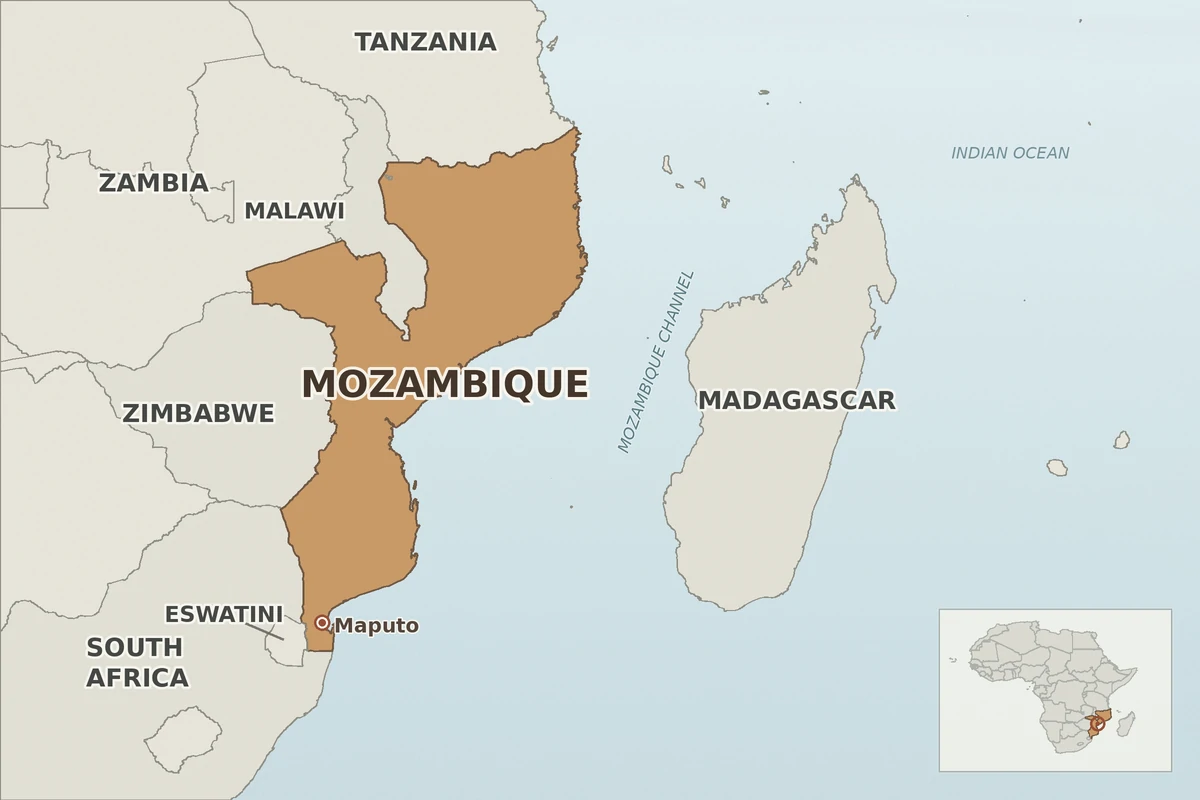
Food insecurity, chronic child malnutrition, cholera, and poor access to healthcare remain serious concerns. Humanitarian organisations, health workers, churches, volunteers, and local communities continue to help, but shortages of funding and supplies limit what can be provided.
Mozambique has valuable natural resources, including major natural gas deposits. Yet natural wealth has not consistently improved life for the wider population. Pray that public revenue will be managed honestly and used to strengthen schools, hospitals, roads, clean-water systems, livelihoods, and local communities.
Spiritual and Practical Challenges Affecting Christians and Churches
Churches in Mozambique serve amid violence, displacement, poverty, uneven access to biblical training, traditional and blended religious practices, and political division.
Violence, fear, and repeated displacement
Some pastors and congregations in northern Mozambique have been displaced several times. When communities flee, churches can lose buildings, records, equipment, members, and their normal patterns of worship and ministry. Believers may struggle with grief, fear, anger, exhaustion, and the temptation to retaliate, while pastors care for others through losses of their own.
Limited access to faithful biblical teaching
Mozambique has many churches and professing Christian communities, but access to careful biblical teaching and theological training is uneven. Some pastors and lay preachers serve with little preparation or limited access to sound Christian books and training. Where Scripture is not explained clearly, churches can become vulnerable to prosperity teaching, spiritual manipulation, superstition, syncretism, and leaders who use their position to build personal power.
Poverty and spiritual exploitation
Many churches serve communities affected by hunger, unemployment, poor health, damaged infrastructure, and limited education. Congregations may have very little while being surrounded by great need. Poverty can also leave people vulnerable to religious leaders who promise healing, protection, deliverance, or prosperity in exchange for money.
Christian identity without saving faith
Inherited religious identity, baptism, church attendance, or denominational membership cannot save. Some people use Christian language while also placing confidence in traditional spiritual practices, ceremonies, religious objects, ancestors, or spiritual intermediaries. Others may belong outwardly to a church while knowing little of Scripture or the gospel.
Witness among Muslim neighbours
Christians and Muslims often live alongside one another, especially in northern Mozambique. Extremist violence can deepen fear and suspicion and can lead people to blame whole Muslim communities for the actions of armed groups. Christians must not confuse Muslim neighbours with violent extremists, but churches should still speak clearly about the uniqueness of Christ and the gospel.
Political loyalties, corruption, and division
Political loyalties, regional divisions, corruption, and public distrust can divide congregations and weaken their witness. Christian leaders may face pressure to support a political party, defend powerful people, or remain silent about injustice.
Christian Life and Witness in Mozambique
Believers and churches continue to worship, preach, disciple, show mercy, and serve communities affected by conflict, displacement, poverty, and disaster.
Even under severe pressure, believers and professing Christian communities continue to worship, preach, teach children, care for displaced families, visit the sick, and help communities recover after violence and disaster.
Some pastors have remained close to their congregations after being driven from their homes. Christian organisations and local churches have helped provide food, shelter, education, healthcare, and care for people living with trauma. In places where government services are weak or difficult to reach, churches can become trusted places where families find practical help and supportive relationships.
Such acts of mercy deserve thanksgiving when they genuinely serve people in need. Yet practical service must not replace the church’s calling to proclaim Christ, make disciples, teach Scripture, and call sinners to repentance and faith.
Pray for churches in Mozambique that:
- teach salvation through the finished work of Christ;
- help believers understand and obey Scripture;
- train pastors and future Christian leaders;
- protect children and vulnerable adults;
- care for displaced and disaster-affected families;
- reject corruption, abuse, and the manipulation of suffering;
- pursue peace without compromising the gospel;
- love Muslim neighbours while speaking clearly about Christ; and
- teach believers to trust Christ and endure faithfully in suffering.
Pray that professing Christian communities will work together in practical service where they can do so without compromising biblical truth or conscience. Above all, pray that God will preserve and strengthen genuine believers who trust in Christ and seek to live under the authority of Scripture.
Recent Developments
Developments through 6 August 2026 that are especially important when praying for Mozambique.
-
May–July 2026
New displacement in Cabo Delgado
Attacks and fear of attacks forced more people from their homes in districts including Ancuabe, Chiúre, Montepuez, Muidumbe, and Mocímboa da Praia. In July, displacement records showed more families moving into host communities in Mocímboa da Praia.
The Mozambican government describes defeating the insurgency and restoring ordinary life as a national priority. It reports security progress in some areas and continues working with forces from Rwanda, Tanzania along the border, and local defence structures. Continuing displacement records nevertheless show that attacks, fear, and humanitarian need have not ended.
Prayer significance: Pray for civilians to be protected, for security forces to act lawfully, and for displaced families to receive help quickly.
-
April 2026
A church complex and community facilities destroyed
Armed militants destroyed a parish complex at Meza in Cabo Delgado, including a church, residences, offices, and a kindergarten. Other churches, chapels, villages, schools, and community facilities have also been damaged during the conflict.
Muslim representatives publicly condemned the attack and rejected the use of religion to justify violence.
Prayer significance: Pray that Christians will respond without hatred or retaliation and that people of different religious backgrounds will resist extremist violence and refuse collective blame.
-
Early 2026
Severe flooding and increased cholera danger
Flooding that began in late 2025 and worsened in early 2026 damaged homes, farmland, roads, schools, clinics, and water systems. It also increased the danger of cholera and other diseases spread through unsafe water.
Mozambique resumed preventive cholera vaccination after international vaccine supplies improved. Health workers, humanitarian organisations, churches, and local communities continued helping affected families, but the needs remained substantial.
Prayer significance: Pray for clean water, functioning health services, sufficient medicines, restored farmland, and safe rebuilding.
-
2024–2026
A disputed election and continuing national dialogue
Daniel Chapo became president in January 2025 after a disputed election. The election period was followed by protests, violence, deaths, and serious disagreement about the credibility of the result.
The government has since promoted an Inclusive National Dialogue and proposed changes to electoral laws, public institutions, and the justice system. A national justice congress in 2026 produced a long-term pact intended to strengthen justice and the rule of law. It remains uncertain how fully these efforts will include competing political voices or rebuild public confidence.
Prayer significance: Pray for truth, justice, accountability, peaceful political participation, and reforms that protect citizens and strengthen fair institutions.
-
January 2026
Natural gas development restarted
A major liquefied natural gas project in Cabo Delgado formally restarted after several years of suspension. Government and business leaders hope that the project will create employment and increase public revenue.
Questions remain about land, compensation, local employment, environmental care, security, and how future income will be used.
Prayer significance: Pray that natural resource development will not deepen corruption, inequality, displacement, or resentment, and that public wealth will benefit the whole country.
How to Pray for Mozambique
Use these prayer points personally, with your family, or in a church prayer gathering.
-
Pray for peace and civilian protection. Ask God to restrain armed groups, criminal networks, and every person planning or carrying out violence. Pray that those involved in violent movements will repent and turn to Christ.
Pray for soldiers, police officers, and foreign forces to protect civilians, exercise restraint, and be held accountable when they do wrong.
-
Pray for displaced and disaster-affected families. Pray for people who have lost homes, farms, schools, businesses, church buildings, and loved ones.
Ask God to provide shelter, food, medicine, protection, family reunification, safe returns, and restored livelihoods. Pray especially for people vulnerable to trafficking, exploitation, and abuse.
-
Pray for food, clean water, and healthcare. Pray for children suffering from malnutrition, families unable to afford enough food, and communities exposed to cholera and other diseases.
Ask God to strengthen health workers, preserve clean-water supplies, provide medicines and vaccines, and help assistance reach isolated communities.
-
Pray for honest government and public trust. Pray for President Daniel Chapo, government ministers, judges, provincial leaders, election officials, police officers, soldiers, and local authorities.
Ask God to restrain corruption and the misuse of power. Pray for truth, justice, peaceful political participation, fair institutions, and leaders who protect citizens rather than using office for personal or political gain.
-
Pray for wise stewardship of natural resources. Pray that gas, minerals, land, forests, and public revenue will be managed transparently and justly.
Ask God to protect communities from exploitation and unjust displacement. Pray that development will provide honest employment and strengthen schools, healthcare, roads, water supplies, and other public services.
-
Pray for faithful pastors and churches. Pray for pastors to explain Scripture clearly, guard the gospel, and lead with humility.
Ask God to provide theological training, faithful teachers, Christian books, and biblical resources in Portuguese and local languages. Pray for churches to reject prosperity teaching, superstition, syncretism, corruption, and spiritual abuse.
-
Pray for believers living amid violence and loss. Pray for Christians whose homes, churches, or communities have been attacked and for believers serving displaced congregations.
Ask God to give them courage, wisdom, forgiveness, and endurance. Pray that grief and fear will not harden into hatred and that their witness will display both truth and mercy.
-
Pray for witness among Muslims and people of other beliefs. Pray that Christians will love Muslim neighbours sincerely and refuse to blame them for the actions of extremists.
Ask God to give believers opportunities to explain the gospel clearly. Pray that Muslims and people shaped by traditional or blended religious beliefs will hear of Christ, repent, and believe.
-
Pray for children and young people. Pray for children whose education has been interrupted by violence, poverty, displacement, or disaster.
Ask God to protect young people from armed recruitment, trafficking, exploitation, criminal activity, and despair. Pray for access to education, useful skills, and honest work.
-
Pray for genuine conversion, discipleship, and hope. Pray that people who identify culturally or institutionally as Christian will hear the biblical gospel clearly.
Ask the Holy Spirit to give new birth, repentance, and faith in Christ. Pray that believers will grow in holiness, love, courage, prayer, and obedience to Scripture. Pray that God’s kingdom will come, that the gospel will bear fruit among Mozambique’s peoples, and that believers will endure faithfully until Christ appears.
Give Thanks
Give thanks for specific mercies, faithful service, and signs of God’s sustaining grace in Mozambique.
Thank God for pastors and believers who continue serving despite displacement, danger, and personal loss.
Thank God for every place where Christ is faithfully proclaimed and Scripture is taught.
Thank God for Christians who serve people in need by providing food, shelter, education, healthcare, and compassionate care.
Thank God for Muslim leaders and community members who have condemned extremist attacks and defended peaceful relations.
Thank God for health workers, aid workers, volunteers, and public servants responding to floods, disease, hunger, and displacement.
Thank God for communities that have welcomed displaced families despite their own limited resources.
Thank God for opportunities to train pastors, distribute biblical resources, make disciples, and establish churches.
Thank God wherever repentance, faith, mercy, courage, justice, reconciliation, and faithful Christian witness are evident.
Thank God that violence, disaster, poverty, and political failure cannot prevent Christ from building His Church.
Thank God for the sure hope that He will complete His saving purposes and make all things new in Christ.
Last Verified / Update Note
This note helps readers understand when the guide was reviewed, what was checked, and which developments may affect future prayer use.
Review Status
Reviewed for current prayer use
The guide’s main claims about armed conflict, displacement, floods, cholera, food insecurity, the disputed 2024 election, national dialogue, natural gas development, religious freedom, attacks on churches, and Christian life were reviewed against current Mozambican official sources, United Nations and humanitarian reporting, election-observation findings, economic assessments, and church and religious-freedom sources.
Peace and protection in Cabo Delgado; care for displaced and disaster-affected families; faithful churches and well-equipped pastors; food, clean water, healthcare, and education; honest public leadership; fair political participation; and just stewardship of Mozambique’s natural resources.
Further attacks or displacement in Cabo Delgado; the progress and inclusiveness of national dialogue and electoral reform; flood recovery, cholera, malnutrition, and food insecurity; humanitarian funding; and whether natural gas development produces fair and lasting benefits for local communities.
Security, displacement, disaster, and humanitarian figures can change quickly. This guide uses dated and rounded figures where appropriate and distinguishes government statements from independent humanitarian or institutional assessments.
Help keep this guide accurate and current
If you noticed a possible correction, broken link, or significant country update, please contact the Nations Prayer Directory so we can review it carefully.
Key Sources Consulted
Selected public sources used to verify Mozambique’s government position, conflict and displacement, disaster and health conditions, political developments, economic context, religious freedom, and church life.
Mozambican official sources
- Government of Mozambique — The fight against terrorism as a national priority
- Presidency of Mozambique — Progress in the Inclusive National Dialogue
- National Institute for Disaster Risk Management and Reduction — Flood assistance in Matutuíne
- Mozambique National Institute of Statistics — 2017 Population and Housing Census
Conflict, displacement, and humanitarian conditions
- International Organization for Migration — Mozambique Movement Alert Report 164, 13 July 2026
- United Nations High Commissioner for Refugees — Mozambique country data
- UNICEF — Humanitarian Action for Children: Mozambique Appeal
- World Health Organization Regional Office for Africa — Emergency response to Mozambique’s flooding disaster
- World Health Organization — Preventive cholera vaccination resumes in Mozambique
- Integrated Food Security Phase Classification — Mozambique acute food-insecurity analysis for 2025–2026
Governance, elections, and the economy
- European Union Election Observation Mission — Final report on Mozambique’s 2024 elections
- United Nations Development Programme Mozambique — Justice Congress and the Pact for Justice and the Rule of Law 2026–2046
- World Bank — Mozambique country overview and economic outlook
- TotalEnergies — Mozambique LNG project-restart announcement
Religious freedom and church life
- United States Commission on International Religious Freedom — ISIS affiliate threatens religious freedom in Mozambique
- Aid to the Church in Need International — Church destroyed in northern Mozambique
- Vatican News — Mozambican archbishop condemns attack on a mission
- Aid to the Church in Need UK — Muslim community condemns violence after the church attack
Source Context
How to read the sources behind this guide in light of changing security, displacement, disaster, political, religious, and economic conditions.
Source Context
- Conflict and security. Government sources describe the official security position and report progress in some areas. International Organization for Migration and United Nations High Commissioner for Refugees records nevertheless show that attacks and new displacement continued into July 2026. Government statements describe the official assessment and should not be read as independent proof that insecurity has ended.
- Displacement figures. Public totals vary according to the reporting date and whether a source counts people displaced by conflict, natural disasters, or both. For this reason, displacement figures are dated and rounded where appropriate rather than combined across different reporting categories.
- Flood and health figures. The large flood totals describe the peak early-2026 emergency. Recovery conditions, numbers in temporary centres, cholera risks, and access to services have continued to change since then.
- Political developments. Official and United Nations Development Programme sources describe the Inclusive National Dialogue and justice-reform programme. The European Union Election Observation Mission provides an independent assessment of the disputed 2024 election. The final effects of the dialogue and proposed reforms remain uncertain.
- Religious affiliation. The 2017 census provides an official demographic baseline. Its affiliation figures do not measure personal conversion, saving faith, church attendance, or doctrinal faithfulness, so the religious labels in this guide describe affiliation only.
- Church-life reporting. Public nationwide information about ordinary Protestant and evangelical church life, pastoral training, discipleship, and congregational conditions is limited, so individual church or ministry reports should not be read as representative of every congregation in Mozambique.
- Attacks on religious communities. Church and religious-freedom reporting documents attacks on churches and Christian communities. Muslims who reject extremist violence have also suffered, and Mozambican Muslim representatives have publicly condemned attacks on places of worship.
- Natural gas and development. TotalEnergies confirms the project restart, while World Bank reporting provides wider context on poverty, public finances, employment, and inequality. Whether the project will produce fair and lasting benefits for local communities remains uncertain.
A Closing Prayer for Mozambique
A concise prayer bringing Mozambique’s present needs before the Lord.


