


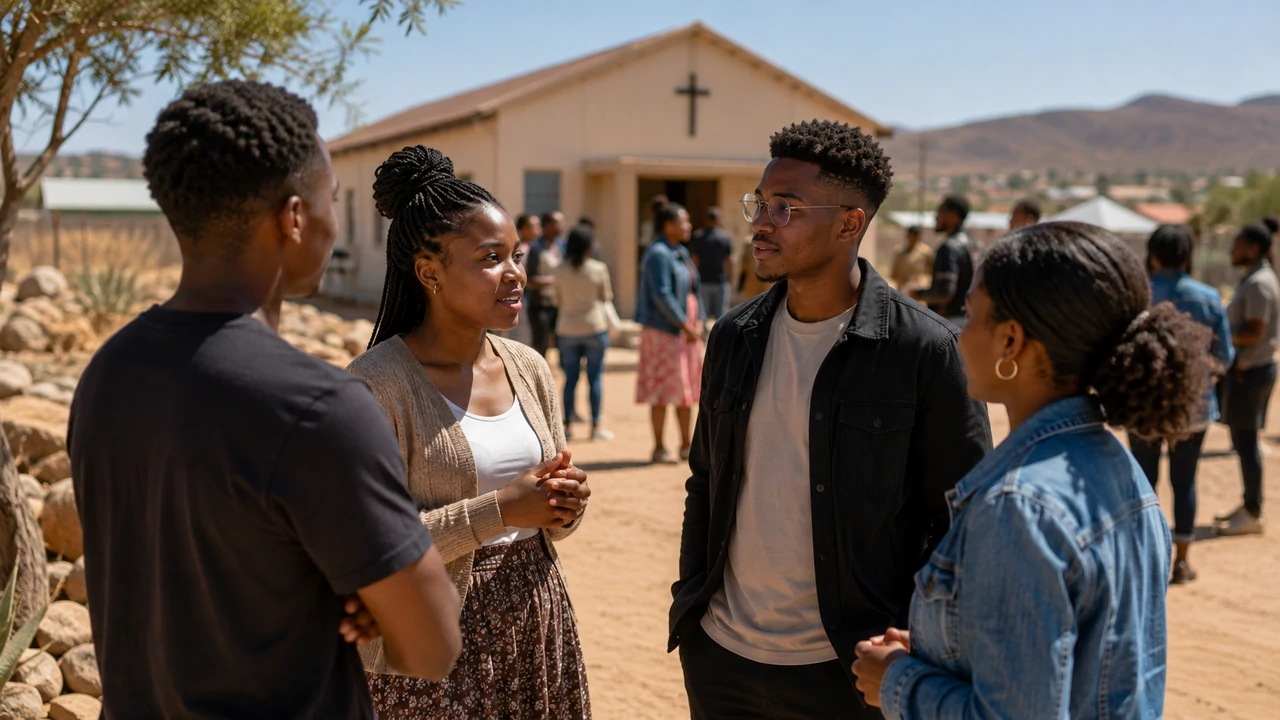
Namibia has widespread Christian identification, and its Constitution protects religious freedom. Churches can gather publicly, teach, and serve with considerable freedom. Yet carrying the Christian name does not tell us whether someone has repented of sin and trusted in Christ, and church leaders have raised concern about declining participation among younger people in ordinary church life. Many Namibians also face serious practical difficulties, including high unemployment, continued recovery from drought and food insecurity, HIV, tuberculosis, poverty, violence, and unequal access to education, work, and services. Pray that churches would preach the gospel clearly, disciple younger generations patiently, and serve vulnerable neighbours faithfully.
Prayer Burden at a Glance
Pray that people who identify as Christian would hear the gospel clearly, repent of sin, and trust in Christ; for children and young people to be discipled well, have access to education, and find honest, useful work; for families facing unemployment, poverty, illness, violence, or continued hardship after drought; for leaders to manage public programmes and natural resources honestly and wisely; and for Ovaherero and Nama communities to be heard as Namibia continues to address the legacy of the genocide and unresolved questions of justice, reparations, and reconciliation.
Last verified: 8 August 2026
Why Namibia Needs Prayer Now
Namibia’s religious freedom allows churches to teach and serve openly, while widespread Christian identification, youth unemployment, family hardship, and major development decisions all call for sustained prayer.
Religious freedom allows Namibian churches to worship, teach Scripture, raise children in the faith, and serve their neighbours openly. Christians can thank God for this freedom and pray that churches use it faithfully.
Christian identification remains widespread. Where Christian identification is widespread, churches need to guard against assuming that familiarity with Christianity is the same as conversion. A senior Namibian Lutheran leader expressed concern in 2025 about declining participation by younger people in ordinary church life. Pray, therefore, for clear gospel preaching and for patient discipleship that leads people to repentance, faith in Christ, and obedience to God’s Word.
Young people also face difficult economic conditions. The latest labour-force figures used by the International Monetary Fund put overall unemployment at 36.9% in 2023 and youth unemployment at 44.4%. For many young adults, finding stable work and becoming financially independent can be difficult. Long periods without work can place heavy strain on individuals and families.
Namibia is also making important decisions about development and natural resources. Government programmes are seeking to expand employment and opportunity, while uranium and possible future oil, gas, and green-energy development are raising expectations about the country’s economic future. These developments raise important questions about honest government, competent regulation, and who will benefit.
Namibia therefore needs steady prayer for churches that remain faithful to Christ, young people who need faithful discipleship, education, and work, leaders who act with integrity, families facing hardship, and communities seeking justice and reconciliation.
Country Snapshot
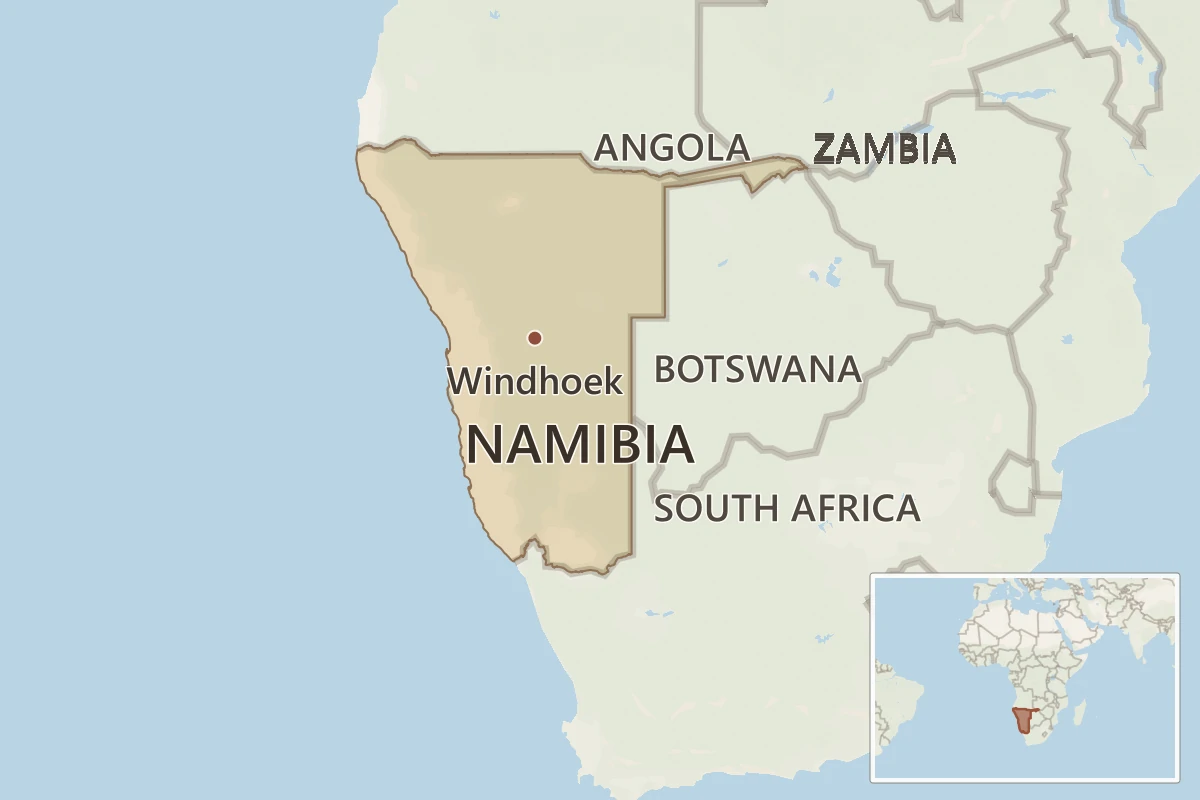
A brief orientation to Namibia’s people, leadership, religious setting, and economic context.
A Christian label is not proof that someone has been born again or personally trusts in Christ. Broad Christian identification is not the same as repentance, personal faith in Jesus Christ, active discipleship, and faithful church life.
Spiritual and Practical Challenges Affecting Christians and Churches
Churches serve in a country where Christian identity is familiar, younger generations need patient discipleship, and many families face unemployment, illness, poverty, or violence.
Christian Identity and Personal Faith in Christ
Because Christian identification is widespread in Namibia, churches need to make the gospel itself clear. Christian language, church membership, or religious practice must not be confused with being reconciled to God through Christ. Pray for churches to teach clearly that sinners are saved by God’s grace through faith in Jesus Christ, not through inherited identity, ceremony, moral effort, or institutional membership. Pray that those who profess Christ would grow in repentance, knowledge of Scripture, holiness, and obedience.
Discipling Children and Young People
Namibia’s young population makes ministry among children and young adults especially important. Concern about reduced youth participation in ordinary church life does not mean that younger Namibians have abandoned Christianity. It does, however, give churches good reason to examine how well they are teaching and discipling the next generation. Pray for parents to live out their Christian faith consistently at home and for pastors, teachers, and mature believers to listen carefully to younger people and teach them patiently.
Ministering amid Unemployment and Financial Strain
High unemployment affects many of the people and families churches serve. Long periods without secure work can bring financial difficulty, discouragement, and strain within households. Churches cannot solve a national employment problem, but they can care for people in need, encourage honest work and enterprise, teach wise stewardship, resist exploitation, and support families under pressure. They should also resist teaching that presents Christianity as a promise of material prosperity.
Caring for People Facing Illness, Poverty, and Violence
HIV and tuberculosis continue to affect many lives. Poverty remains a serious burden for children, while violence against women and children and unequal access to services continue, and educational outcomes remain weak in important areas. Churches can respond by caring for people who are ill, protecting vulnerable children, strengthening families, rejecting stigma against people affected by HIV or tuberculosis, speaking against abuse, and helping neighbours in practical ways.
Christian Life and Witness in Namibia
Religious freedom allows Namibian churches to teach Scripture, disciple people across generations, care for those in need, and witness publicly.
Namibian churches have substantial freedom to gather, worship, teach, and serve publicly. Christians can thank God for this freedom, and churches can use it to strengthen biblical teaching, discipleship, and service.
Pray for pastors to explain Scripture faithfully and for congregations to keep Christ and the gospel at the centre of their life together. Pray for believers to grow in holiness, discernment, and love, and to resist teaching that replaces the gospel with promises of prosperity, status, or political influence.
Because so many Namibians are young, churches can give sustained attention to children and young adults. Christian parents, pastors, teachers, and mature believers can help younger people understand the gospel for themselves rather than inherit only a religious label.
Christian witness also reaches beyond church meetings. Unemployment, illness, violence, and the needs of vulnerable children, refugees, and other neighbours bring Christians into contact with people who need practical help. Pray that Christians would serve without self-promotion, defend those who are vulnerable, and speak about Christ with humility and courage.
Pray that churches would use Namibia’s religious freedom to teach God’s Word faithfully, disciple believers toward maturity in Christ, and make the gospel clear to people who know Christianity mainly through family or culture.
Recent Developments
Youth-employment measures, drought recovery, resource-development decisions, and the unresolved Namibia-Germany Joint Declaration concerning the genocide all affect how Christians can pray for Namibia now.
-
2025-2026
Development plans and youth opportunity
Namibia’s Sixth National Development Plan covers 2025/26 to 2029/30 and gives significant attention to employment, human development, economic change, and reducing inequality. The National Youth Development Fund was launched in September 2025, and by April 2026 the government reported that more than two hundred projects had been approved. New support for eligible undergraduate study has also been introduced.
Prayer significance: Pray that public money would be managed honestly, that training would lead to useful work, and that programmes intended for young people would reach those who need them.
-
2026
Recovery after severe drought
Namibia continues to recover from the severe 2024-25 drought. Food-security assessments through the first half of 2026 showed improvement while also finding that many people still needed help. Humanitarian food support has continued for vulnerable households during 2026.
Prayer significance: Pray for households that remain vulnerable, for sufficient rainfall and food, for farmers and livestock owners rebuilding after losses, and for communities to be better prepared for future drought.
-
2025-2026
A changing resource economy
Weak demand for natural diamonds contributed to slower economic growth in 2025. At the same time, uranium and possible future oil, gas, and green-energy projects have raised expectations about new jobs and government revenue. During 2026 the government continued work on petroleum policy, local participation, and proposed development projects. Any large-scale benefits from future oil production remain prospective rather than present national income.
Prayer significance: Pray for honest decisions, competent regulation, care for the environment, and future resource income that benefits communities rather than a narrow group of people.
-
As of August 2026
Historical justice and reconciliation remain unfinished
Namibia continues to deal with the genocide of Ovaherero and Nama communities under German colonial rule. In April 2026, the Namibian government said that a revised Joint Declaration with Germany had been reviewed and was expected to go before the National Assembly before signing. The process remained contested, and later 2026 reporting continued to describe the process as unfinished.
Prayer significance: Pray that affected communities would be heard, that leaders would speak truthfully about the genocide and its consequences, and that efforts toward reconciliation would address justice, dignity, participation, and unresolved questions about reparations.
How to Pray
Pray specifically for Namibia’s churches, children and young people, families, leaders, and people facing hardship.
Pray for clear gospel preaching and genuine faith. Ask God to bring people to repentance and faith in Christ and to strengthen churches to teach Scripture faithfully. Pray that believers would grow in holiness, serve their neighbours faithfully, and wait for Christ with hope.
Pray for children and young people. Ask God to strengthen parents, pastors, and Christian teachers as they disciple younger people. Pray for young Namibians to grow in wisdom and Christian character, have access to education, and find honest, useful work.
Pray for people seeking work. Remember those who have spent long periods unemployed or who struggle to support their families. Pray for honest businesses, useful training, and economic growth that creates real jobs.
Pray for families and vulnerable people. Pray for those affected by poverty, HIV, tuberculosis, or violence. Ask God to strengthen families, protect children and women from abuse, and give churches wisdom as they care for people in need.
Pray for continued recovery from drought. Ask for sufficient food and rainfall, for families to recover from their losses, and for wise preparation for future dry seasons. Remember families whose livestock, savings, or food supplies have not yet recovered.
Pray for wise use of Namibia’s natural resources. Ask God to give leaders honesty and good judgment as they make decisions about minerals, oil, gas, and energy. Pray that future income would create jobs, improve public services, and benefit people across the country.
Pray for truth and justice over historical wrongs. Pray that Ovaherero and Nama communities would be heard, that the past would be dealt with honestly, and that leaders would not rush toward reconciliation while serious questions of justice, participation, and reparations remain unresolved.
Pray for those who govern Namibia. Ask God to give President Netumbo Nandi-Ndaitwah, Prime Minister Elijah Ngurare, and others in authority wisdom, humility, integrity, and a concern for justice and the good of the people they serve.
Give Thanks
Namibia’s needs are serious, but there are also clear mercies for which Christians can thank God.
Give thanks for religious freedom. Namibia’s Constitution protects religious freedom, and churches can gather, teach Scripture, and serve publicly.
Give thanks for faithful gospel ministry wherever it is present. Thank God wherever Christ is faithfully proclaimed, believers are being discipled, and people in need are receiving compassionate care.
Give thanks for progress in HIV testing and treatment. Thank God also for health workers caring for people affected by HIV, tuberculosis, and other illnesses.
Give thanks for improvement after severe drought. Conditions have improved from the worst period of the recent drought, and assistance continues to reach households that are still rebuilding.
Give thanks for new education, skills, and employment measures for young people. Thank God that new measures are being introduced to help young people study, develop skills, and find work, while recognising that their long-term effects are not yet known.
Last Verified / Update Note
This note helps readers understand when the guide was reviewed and which changing developments may affect how they use it for prayer.
Review Status
Reviewed for current prayer use
This guide was reviewed using official Namibian information, population data, economic analysis, church-life reporting, humanitarian and health sources, and recent reporting on major national developments. The review included religious freedom and Christian identification, discipleship among younger people, unemployment and youth opportunity, drought recovery and food insecurity, HIV and tuberculosis, child and family vulnerability, natural-resource development, and the continuing Namibia-Germany process concerning the genocide of Ovaherero and Nama communities.
The main burdens are clear gospel preaching and faithful discipleship; children and young adults growing in faith and finding education and honest work; families facing unemployment, illness, poverty, or the effects of drought; wise and honest use of Namibia’s natural resources; protection and compassionate care for vulnerable people; and truth, justice, and reconciliation as the country continues to address historical wrongs.
Important matters to watch include any further decision on the Namibia-Germany Joint Declaration; updated food-security findings following the period covered by the latest published IPC analysis; major decisions on oil and gas development; changes in unemployment or youth-employment programmes; and any major development affecting religious freedom, church life, health, drought recovery, or vulnerable communities.
Some figures and developments need careful interpretation. Widespread Christian identification does not show how many people personally trust in Christ or participate actively in church life. The latest detailed IPC analysis available for Namibia ends in June 2026, so no newer national IPC figure is stated. The Namibia-Germany Joint Declaration remains unsettled. Namibia may benefit economically from future oil and gas development, but those benefits are not yet part of Namibia’s national income.
Help keep this guide accurate and current
If you noticed a possible correction, broken link, or significant country update, please contact the Nations Prayer Directory so we can review it carefully.
Key Sources Consulted
The main sources behind this Namibia prayer guide include official Namibian materials, national data, church-life reporting, economic and humanitarian analysis, and sources representing different perspectives on historical justice and reconciliation.
Namibian Government and National Data
- Office of the President of Namibia. State of the Nation Address 2026. Provides the administration’s stated priorities on youth and education, petroleum-policy developments, and the government’s position on the Namibia-Germany Joint Declaration.
- Namibia Statistics Agency. 2023 Population and Housing Census. Provides the national population figures and age profile.
- Government of Namibia. Constitution of the Republic of Namibia. Establishes constitutional protection for freedom of thought, conscience, belief, and religious practice.
- National Planning Commission. Sixth National Development Plan. Provides the 2025/26-2029/30 development timeframe and its employment, economic-transformation, and youth priorities.
- Ministry of Finance. National Youth Development Fund. Provides official information on the youth-development fund and its stated employment and enterprise purpose.
- Ministry of Industries, Mines and Energy. Petroleum Affairs. Provides official context on petroleum policy, regulation, exploration, and development responsibilities.
Christian Life and Church Context
- The Lutheran World Federation. “Namibia: free to answer God’s call to serve.” Reports Bishop Hilja Nghaangulwa’s description of widespread Christian identification and her concern about declining participation by younger people in church services. This provides church-life context rather than an official religion census.
Economy, Food Security, Health, and Vulnerability
- International Monetary Fund. 2026 Article IV Consultation with Namibia. Provides unemployment and growth context, including weakness in the diamond sector, uranium output, and the distinction between present exploration and possible future oil, gas, and green-hydrogen development.
- Integrated Food Security Phase Classification. Namibia Acute Food Insecurity Analysis, July 2025-June 2026. Provides detailed analysis of drought-recovery conditions and continuing food insecurity through June 2026.
- World Food Programme. Drought-recovery assistance, March 2026. Documents continuing drought-recovery assistance for vulnerable households, with food support planned through December 2026.
- World Health Organization. Namibia country health profile. Provides context on the continuing HIV and tuberculosis burden and reported health progress.
- UNICEF Namibia. Situation of Children in Namibia. Provides information on child poverty, vulnerability, protection concerns, and related social conditions.
- UNICEF Namibia. Education. Provides information on continuing challenges in education and learning.
- UNHCR. Namibia. Provides background on refugees and asylum-seekers living in Namibia and the country’s protection role.
Historical Justice and Reconciliation
- Parliament of Namibia. Statement on Genocide, Apology and Reparation. Provides the parliamentary record and the range of Namibian political positions surrounding the genocide and Joint Declaration.
- Federal Foreign Office of Germany. Germany and Namibia: Bilateral Relations. Provides Germany’s official position, including its 2026 statement that bilateral negotiations concerning the Joint Declaration remained ongoing.
- NBC Namibia. Current Joint Declaration reporting. Provides Namibian national reporting on continuing negotiations and 2026 expectations concerning possible finalization.
- The Namibian. Commentary on the Namibia-Germany genocide process. Provides a critical local perspective on participation, reparations, and the treatment of affected communities. Because it is commentary, disputed claims it contains require separate evidence.
Source Context
Notes on how to interpret sources concerning religious identification, food-security timing, historical-justice negotiations, and possible future resource development.
Source Context
- Source mix. Sources include Namibian government and parliamentary material, national statistics, Namibian reporting, church-life reporting, international institutions, and Germany’s official position. Government sources establish what governments say and what programmes they report; they do not by themselves establish that policies have succeeded or that disputed claims are settled.
- Christian identification. A senior Lutheran leader described about 90% of Namibians as identifying as Christian. This helps show that Christian identification is widespread in Namibia, but it is not an official census figure and does not show how many people have repented and personally trusted in Christ. Broad Christian identification should therefore be distinguished from repentance and personal faith in Christ.
- Food-security timing. The latest detailed IPC Namibia analysis available covers the period through June 2026. World Food Programme reporting shows that drought-recovery assistance continues during the second half of 2026, but that continuing assistance does not provide a basis for stating a new August 2026 national food-insecurity estimate.
- Historical justice and reconciliation. The Namibia-Germany Joint Declaration remains contested and unfinished. Namibia’s government, Germany’s government, Parliament, affected-community advocates, and other public voices do not describe every aspect of the process in the same way. The status of the negotiations can therefore be stated separately from disagreements about participation, justice, and reparations.
- Oil and gas. Namibia has active petroleum exploration and development planning, but expected future oil wealth has not yet become national income. Exploration, project planning, and regulatory work remain distinct from final investment decisions and large-scale commercial production.
- Social and health data. Health, child-welfare, and education reporting documents serious needs, but conditions vary across households and regions. Because some underlying data come from different years, they should not be read as a single same-year statistical snapshot.
A Closing Prayer for Namibia
A concise prayer for Namibia’s churches, young people, families, leaders, and communities facing hardship.


