

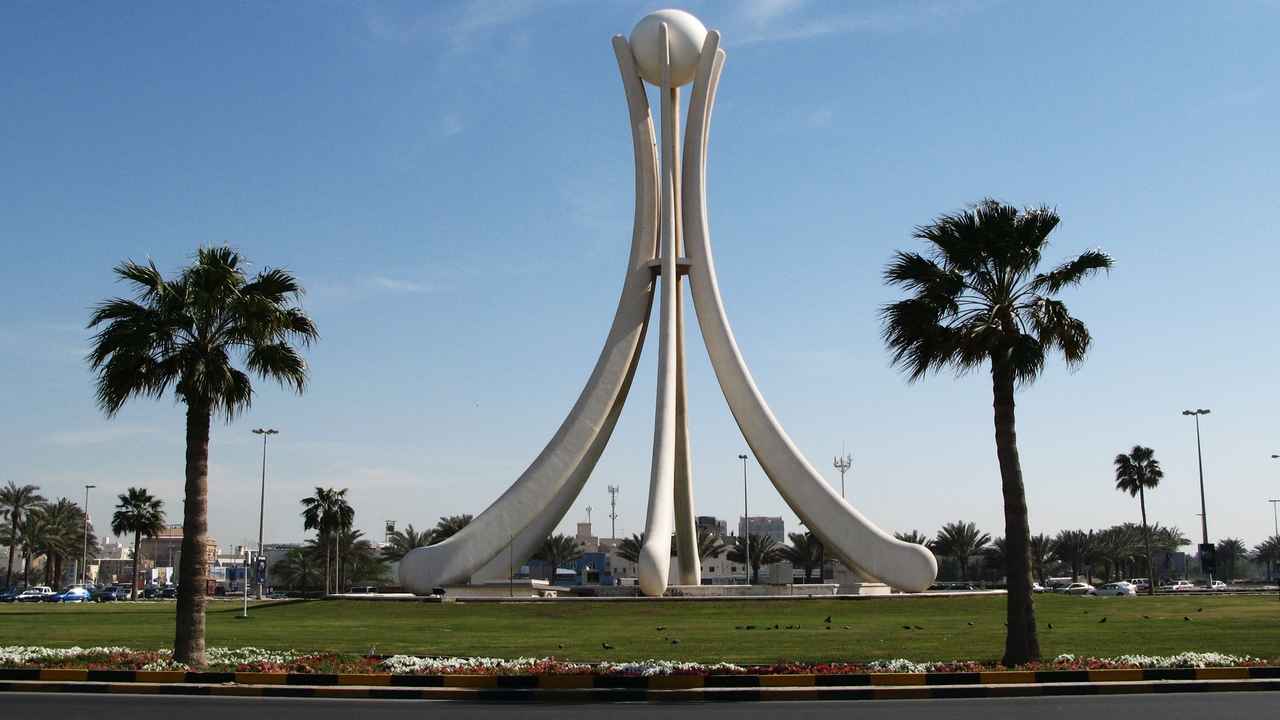
Bahrain is a small Gulf kingdom, but it carries a weight that far exceeds its size. There is more visible space for Christian worship there than in some neighboring states, especially for expatriate congregations. Yet that does not mean the burden is light. For converts from Islam, for believers who must measure their words carefully, and for churches living in the shadow of public control, following Christ can still be costly. And now, in the midst of the March–April 2026 regional war, Bahrain faces a sharper season of fear, pressure, and instability that makes informed prayer especially urgent.
1. Why This Country Needs Prayer Now
Bahrain needs prayer now because older pressures and newer dangers are pressing in at the same time. The country already had a tightly managed public climate. Christians could gather in some settings, but public witness had limits, and converts could face serious family and social pressure. That was already enough to call for careful prayer.
Now the burden has grown heavier. Since the war against Iran began on February 28, 2026, Bahrain has faced repeated attacks tied to the wider conflict, and rights groups say authorities have also responded with sweeping arrests and harsher repression. AP reports that dozens have been arrested during the war, while Bahraini official reporting says the kingdom has been confronting ongoing Iranian attacks on sites, infrastructure, and residential areas since late February. This matters for Christians because fear changes daily life. It narrows public space, heightens suspicion, and makes steady, quiet faithfulness harder. All of this should shape how the church prays for Bahrain now.
2. Country Snapshot
Bahrain is an island kingdom in the Arabian Gulf. Official government information names King Hamad bin Isa Al Khalifa as the king and Crown Prince Salman bin Hamad Al Khalifa as prime minister. The same official source lists the population at 1,588,670 according to 2024 statistics. Islam is the official religion, though places of worship for other religions are also present in the country.
The Christian community is mixed. It includes a large expatriate population and a much smaller number of indigenous Bahraini Christians. Open Doors says many expatriate believers, especially from South Asia, can practice their faith in recognized places of worship as long as they do not publicly proselytize Muslims or insult Islam. That gives Bahrain a different profile from some of its neighbors, but not an easy one. Freedom exists, yet it exists within clear boundaries.
3. Main Pressures Facing Christians
The pressures Christians face in Bahrain are not the same for everyone. For many expatriate believers, the pressure is not usually the complete absence of worship space. It is the constant need for caution. Church life may continue, but public witness can quickly become sensitive if it is seen as directed toward Muslims or as crossing legal and social lines.
For converts from Islam, the pressure is often far more personal. Open Doors says local converts can face severe pressure from family and community to deny their faith, keep silent, or leave. That means the hardest struggles may happen not in public but at home, inside relationships, inside fear, and inside the quiet cost of choosing Christ where others do not understand.
There is also a wider national atmosphere that shapes Christian life. Human Rights Watch says Bahrain continued in 2025 to detain opposition voices, tighten political space, and maintain a climate of surveillance and censorship, while migrant workers remained vulnerable under the sponsorship system and weak labor protections. In such an environment, believers learn quickly that caution is not abstract. It affects speech, movement, online behavior, and the willingness to be seen.
4. What Life Is Like for Christians in Bahrain
For many Christians in Bahrain, ordinary faithfulness means learning how to live within boundaries without letting those boundaries choke spiritual life. Expatriate churches can gather and worship. Pastors can serve. Congregations can encourage one another. But even there, wisdom is required. A conversation, a social-media post, or an act of witness that might seem ordinary elsewhere can carry more risk here.
For converts, the path is often lonelier. One believer may worship openly with an expatriate congregation, while another may hesitate to speak the name of Christ even in front of relatives. One family may enjoy a measure of peace, while another may live under pressure, secrecy, or rejection. The church is present in Bahrain, but it is not equally safe for all who belong to it. That uneven burden is part of what makes Bahrain such an important country to pray for.
Migrant Christian workers may carry another layer of strain. Human Rights Watch reports that Bahrain still enforces the kafala sponsorship system and that domestic workers remain outside key legal protections. That does not describe every migrant’s experience, but it does mean many vulnerable believers may live with weak protection, delayed wages, or fear of reporting abuse. For some Christians, daily faithfulness includes worshipping Christ while also trying simply to endure work that feels precarious and unseen.
5. Recent Developments
Bahrain’s recent story holds both a little relief and much continuing strain. On March 27, 2025, King Hamad granted amnesty to 630 inmates, following larger pardons in 2024. Yet Human Rights Watch says prominent rights defenders and political leaders remained detained, and broader repression did not end. So even the signs of relief were partial rather than decisive.
Then the regional picture darkened sharply. Bahraini official reporting says the kingdom has faced ongoing Iranian aggression since February 28, 2026, with attacks hitting infrastructure and residential areas. AP reports that the war has put Bahrain on the front lines, with repeated strikes, arrests, and deepened unrest. AP also reports that Bahrain has arrested at least 41 people during the conflict and says the country has become more visible diplomatically in the Strait of Hormuz crisis, including through a U.N. resolution process tied to securing shipping lanes.
This does not mean Bahrain’s prayer burden should be reduced to war headlines. But it does mean the country cannot now be understood only through older patterns of religious pressure. Regional conflict, state response, fear, and social suspicion are reshaping daily life. Christians in Bahrain do not live outside that reality. They are trying to follow Christ inside it.
6. How to Pray
- Pray for Muslim-background believers, that the Lord would strengthen them where family pressure, secrecy, and fear make discipleship costly.
- Pray for expatriate churches and pastors, that they would have wisdom, tenderness, and courage as they serve in a setting where visible worship is possible but public boundaries remain real.
- Pray for migrant Christian workers, especially those in weak or vulnerable working conditions, that they would be protected, treated justly, and cared for by the church.
- Pray for peace and restraint in the present conflict, that Bahrain would be spared further attacks and that ordinary people would not be crushed under the weight of a wider regional war.
- Pray for believers living under pressure, that they would know when to speak, when to stay silent, and how to remain faithful without giving way to fear.
- Pray that the Lord would use even this tense season to draw people to Christ, deepen the church’s love, and strengthen gospel witness in quiet, steady, unmistakably Christian ways.
7. Give Thanks
- Give thanks that Bahrain still has a visible Christian presence, including recognized expatriate congregations and a small indigenous community.
- Give thanks that many non-Muslim Christians have had real space to worship, even though that space remains limited and carefully bounded.
- Give thanks for the partial relief seen in the 2024–2025 pardons, while continuing to pray for deeper justice and greater freedom.
8. Last Verified
Last verified: April 7, 2026.
Because Bahrain’s present burden is being shaped by a fast-moving regional conflict, this post will be reviewed again soon.
Last updated: April 7, 2026
Next review due: May 2026, or sooner if the Gulf conflict, domestic arrests, or legal restrictions change materially.
Key Sources Consulted
- Bahrain national portal, “About Bahrain” and “Facts & Figures” — leadership, religion, and 2024 population figures.
- Open Doors, “WWL 2025 Bahrain Persecution Dynamics” — expatriate worship space and pressure on converts.
- U.S. State Department, 2023 International Religious Freedom material for Bahrain — legal framework and limits around speech affecting Islam.
- Human Rights Watch, “World Report 2026: Bahrain” — 2025 amnesty, continuing detention climate, surveillance, repression, and migrant-worker concerns.
- Human Rights Watch, “Bahrain: Sweeping Arrests Amid Conflict” — March 2026 crackdown during the regional war.
- AP reporting on Bahrain’s internal crackdown and Bahrain’s U.N. role in the Strait of Hormuz crisis.
Source Notes
The 2026 conflict material is highly volatile, so the most recent war-related claims are either attributed directly to AP, Human Rights Watch, or Bahraini official reporting. Older religious-freedom reporting remains useful for legal framework and church conditions, but it was not treated as sufficient on its own for current war-era claims.