


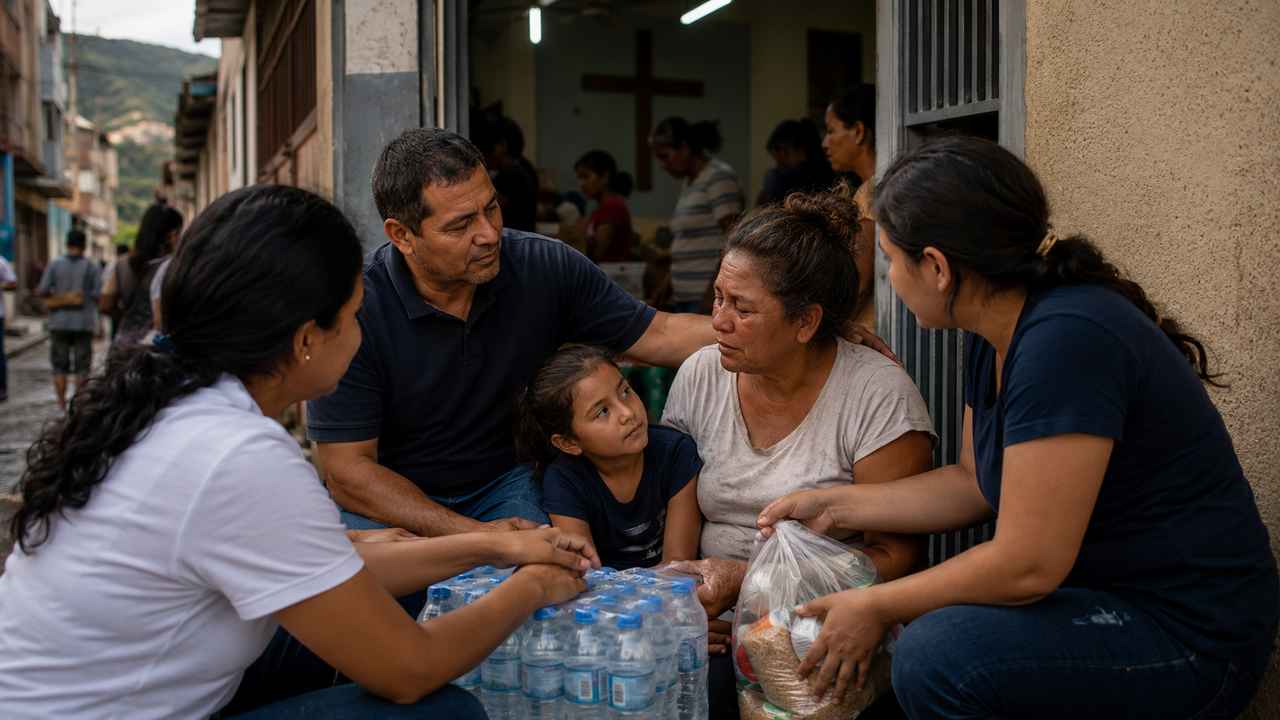
Venezuela needs prayer in a season of political rupture, mass displacement, economic strain, and sudden disaster. Millions of Venezuelans have left the country. Many families remain separated across borders. Public trust has been damaged by years of contested authority, arrests, censorship, weak institutions, and hardship in ordinary life. In January 2026, Venezuela entered a new and disputed political moment after Nicolás Maduro was captured by U.S. forces and Delcy Rodríguez assumed acting presidential authority under a Venezuelan Supreme Tribunal order. On June 24, 2026, two powerful earthquakes struck northern Venezuela, adding urgent needs for rescue, medical care, shelter, and comfort for grieving families.
Yet Venezuela is not only a country of crisis. It is a country of people made in the image of God, churches called to serve Christ, families longing for stability, prisoners needing justice, migrants needing protection, and communities needing mercy. Pray that the Lord would restrain evil, protect the vulnerable, strengthen His people, and make churches faithful in truth, compassion, and gospel witness.
Prayer Burden at a Glance
Pray for Venezuela after the disputed 2024 election, the January 2026 leadership rupture, continuing prisoner concerns, mass displacement, and the June 2026 earthquake emergency. Pray for just leadership, rescue and recovery, mercy for suffering families, protection for migrants and detainees, and churches that serve Christ with courage and compassion.
Last verified: June 25, 2026
Why Venezuela Needs Prayer Now
Venezuela needs prayer because national burdens are being carried by ordinary families, prisoners, migrants, churches, hospital workers, and earthquake survivors.
Venezuela needs prayer because its national burdens are being carried by ordinary people: parents separated from children by migration, families waiting for detained relatives, patients seeking care in strained hospitals, pastors serving exhausted communities, and earthquake survivors facing grief and uncertainty.
The country’s political situation remains deeply disputed. The 2024 presidential election was followed by competing claims about the result, protest-related arrests, and international criticism. In January 2026, the crisis changed again when Nicolás Maduro was captured by U.S. forces and later appeared in a U.S. court. Delcy Rodríguez then assumed acting presidential authority in Venezuela under a Supreme Tribunal order. Maduro and his supporters disputed the legality of his removal, while outside responses to Rodríguez’s authority have varied. These developments affect more than government offices. They shape public trust, legal authority, the safety of citizens, and the daily fears of families.
Political change has not removed Venezuela’s long-running suffering. Millions of Venezuelans have left the country, and many refugees and migrants remain vulnerable to hunger, insecure housing, legal uncertainty, dangerous journeys, and painful family separation. Inside Venezuela, years of economic strain and weakened public services have left many communities with heavy practical needs.
The June 2026 earthquake emergency has added sudden sorrow to these long-running burdens. As of June 25, early reporting described powerful earthquakes in northern Venezuela, deaths, hundreds of injuries, damaged buildings, disrupted services, aftershocks, and a declared state of emergency. These figures may change, but the prayer need is immediate: rescue, medical care, safe shelter, truthful information, and mercy for those who are grieving.
Venezuela’s churches stand in the middle of these burdens. They need prayer not only to endure hardship, but to bear faithful witness to Christ through truthful words, practical mercy, patient love, and freedom from political manipulation.
Country Snapshot
Venezuela’s location, Christian background, displacement burden, and contested public situation all shape how believers should pray.
Region
South America and the Caribbean coast
Capital
Caracas
Neighboring countries
Colombia, Brazil, and Guyana
Christian context
Broad Christian identity, with Roman Catholic and evangelical communities serving amid public hardship
Major current burdens
Contested authority, displacement, prisoner concerns, humanitarian strain, earthquake recovery, and regional tension
Prayer focus
Truthful leadership, mercy for the vulnerable, faithful churches, and hope in Christ
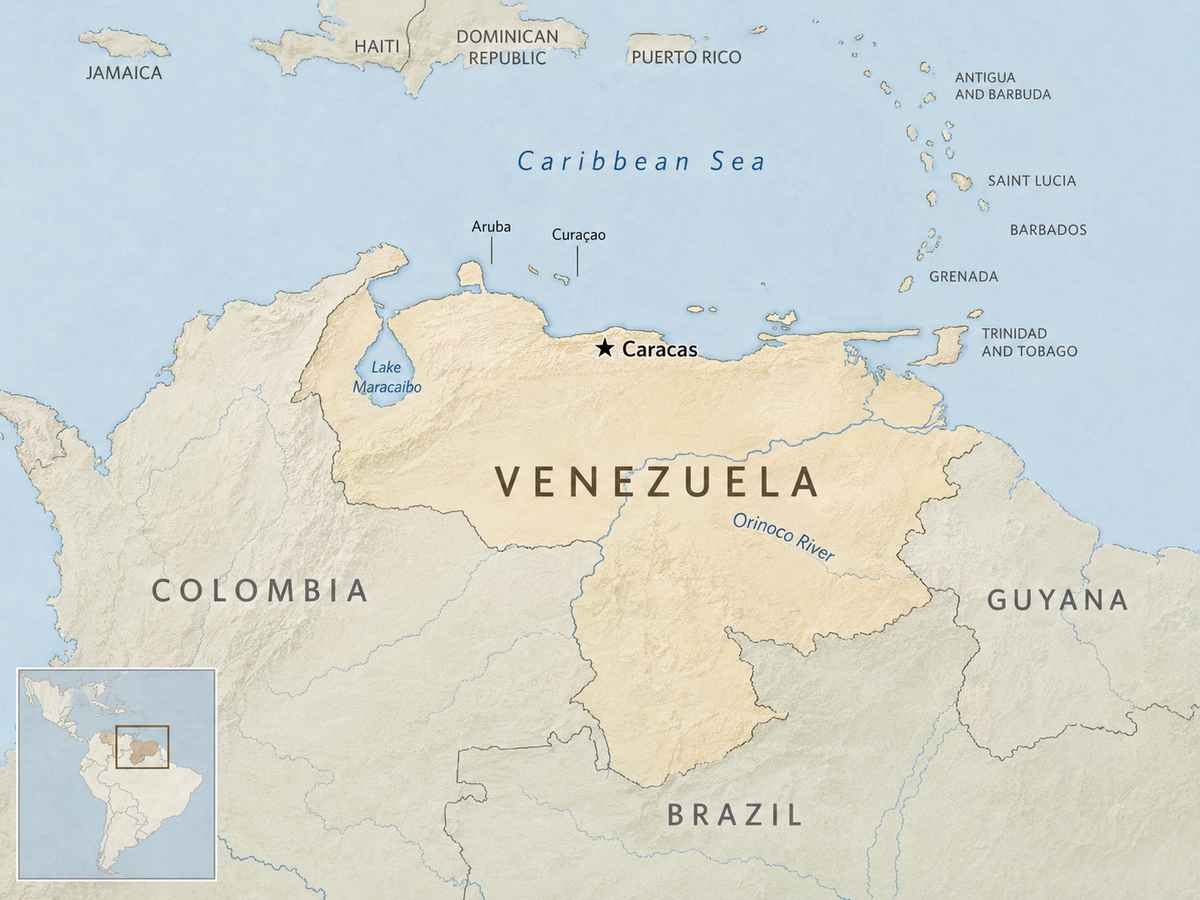
Venezuela is a South American country on the Caribbean coast, bordered by Colombia, Brazil, Guyana, and the Caribbean Sea. It has deep Christian roots, a large Roman Catholic presence, growing evangelical communities, rich natural resources, and a population shaped by years of political conflict, economic hardship, migration, and public distrust.
The country’s oil wealth has not protected ordinary people from hardship. Many Venezuelans have faced inflation, unemployment, shortages, hospital strain, insecurity, and migration pressure. The suffering has also shaped the wider region, as millions of Venezuelans have sought safety, work, and stability in neighboring countries and farther abroad.
Venezuela has a broad Christian identity, and many churches continue to worship openly and serve publicly. At the same time, church life takes place in a country where public fear, state pressure, economic hardship, crime, migration, and political co-option can all affect ministry. Some Catholic and evangelical groups have alleged harassment or retaliation, especially when religious leaders speak publicly about injustice. The guide should therefore avoid two errors: it should not exaggerate Venezuela as though all churches face severe persecution everywhere, and it should not ignore the real pressures that can affect Christian witness.
Venezuela’s prayer burden is connected: honest public life, mercy for the poor, justice for prisoners, care for migrants, recovery after the earthquake, peace with neighbors, and churches that keep Christ at the center.
Spiritual and Practical Challenges Affecting Christians and Churches
Churches in Venezuela serve amid family separation, public fear, limited resources, political pressure, and urgent mercy needs.
Families separated by migration
Many families have lost members to migration. Some parents are raising children while spouses, adult children, or siblings live abroad. Some elderly people have been left without the family support they once depended on. Many young people have grown up knowing instability as part of daily life.
Church ministry in a tense public environment
When political power is contested and citizens fear retaliation, Christian leaders may feel pressure from different directions. Some may be tempted to keep silent. Others may be tempted to make the church serve a political identity. Churches need wisdom to speak truth without hatred, show mercy without compromise, and keep the gospel distinct from earthly power.
Heavy practical mercy needs
Pastors and believers often meet people who need food, medicine, counsel, prayer, safe shelter, and help after trauma. The earthquake emergency has increased those needs in affected areas. Churches may be asked to comfort the grieving, assist the injured, shelter the displaced, and serve neighbors while already carrying limited resources.
Endurance in discipleship
Christians need endurance in discipleship. It is hard to practice honesty, patience, generosity, forgiveness, and hope when daily life is unstable. Believers need Scripture, prayer, fellowship, and pastoral care that help them resist despair, bitterness, fear, and compromise.
Religious freedom and public pressure
Many churches continue to worship and serve, and the country should not be described as if every Christian is under direct persecution. Yet churches and religious leaders who speak against injustice or resist political co-option may face suspicion, intimidation, or retaliation. Pray for freedom to worship, courage to serve, and faithfulness to Christ under pressure.
Christian Life and Witness in Venezuela
Many Venezuelan believers are serving Christ through worship, care, prayer, and practical mercy in communities marked by grief and need.
Christian life in Venezuela is lived in homes, churches, hospitals, shelters, streets, prisons, and migrant communities. Many believers are not only gathering for worship; they are carrying the sorrows of their neighbors.
Some pastors and congregations provide food, clothing, medicine, counsel, prayer, and practical help to people with few other places to turn. In communities affected by poverty, crime, grief, and distrust, churches can become places where people are received with dignity, heard with patience, and pointed to Christ.
This witness is costly. Pastors may be tired. Churches may have lost members, leaders, or financial support through migration. Families may be divided across borders. Some believers may wonder whether to stay, leave, speak, remain quiet, serve publicly, or protect their families from danger.
Venezuela needs churches that preach Christ clearly, not merely moral improvement, national renewal, or political rescue. It needs Christians who tell the truth without cruelty, serve the poor without seeking praise, care for prisoners and migrants without losing the gospel, and pray for leaders without excusing sin.
The country’s suffering gives churches many opportunities to show mercy. But mercy must remain joined to truth. Venezuela needs practical help, public peace, disaster recovery, and more just governance. Even more deeply, it needs the mercy of God, the salvation of sinners, the strengthening of His people, and churches that bear witness to Christ in ordinary acts of love, courage, and truth.
Recent Developments
Several recent developments materially affect how Christians should understand and pray for Venezuela.
-
July 2024 onward
Disputed election and continuing legitimacy crisis
Venezuela’s July 2024 presidential election remains central to the country’s present situation. The government declared Nicolás Maduro the winner, while opposition leaders and many outside observers disputed the result. The aftermath included protests, arrests, fear, and deeper mistrust.
Pray for truth, justice, protection for ordinary citizens, and churches that speak and serve wisely in a divided public setting.
-
January 2026
Leadership rupture involving Nicolás Maduro and Delcy Rodríguez
In January 2026, Nicolás Maduro was captured by U.S. forces and later appeared in a U.S. court. Delcy Rodríguez assumed acting presidential authority in Venezuela under a Supreme Tribunal order. The development remains contested. Maduro and his supporters disputed the legality of his capture and removal, while Rodríguez’s authority has been treated differently by various outside actors.
Pray for lawful governance, restraint by domestic and foreign powers, protection of ordinary people, and leaders who fear God more than power.
-
2025–2026
Political prisoners and disputed releases
Venezuela has announced prisoner releases and amnesty measures, but official figures and independent human-rights counts differ. Some people have been released, and that gives real reason for thanksgiving where families have been reunited. Yet rights groups and families continue to raise concerns about people still detained, conditional freedom, and the gap between official claims and independently verified releases.
Pray with thanksgiving for genuine releases and with continued intercession for those still imprisoned, restricted, or waiting for justice.
-
June 24–25, 2026
Earthquake emergency in northern Venezuela
On June 24, 2026, two powerful earthquakes struck northern Venezuela. As of June 25, early reporting described deaths, hundreds of injuries, damaged buildings, disrupted infrastructure, aftershocks, and a state of emergency. Because the situation is still developing, casualty, injury, damage, and shelter figures may change as updated reports become available.
Pray for rescue workers, hospitals, grieving families, safe shelter, protection from aftershocks, truthful communication, and churches offering practical mercy.
-
2025–2026
Essequibo dispute with Guyana
Venezuela’s dispute with Guyana over Essequibo remains a regional-security concern. Venezuela maintains a historical claim and rejects the jurisdiction of the International Court of Justice, while Guyana and many outside observers view Venezuelan moves around the territory as a threat to sovereignty and regional peace.
Pray for border communities, Indigenous peoples, leaders, soldiers, and the wider region to be protected from escalation or violence.
How to Pray
Use these prayer points to intercede for Venezuela’s leaders, prisoners, displaced families, earthquake survivors, churches, and neighbors.
-
Pray for honest and just public leadership. Ask God to expose falsehood, restrain corruption, protect the weak, and give Venezuela leaders who fear Him more than power.
-
Pray for peace after the January 2026 leadership rupture. Ask the Lord to restrain domestic and foreign powers, security forces, armed actors, and political leaders so that ordinary people are not crushed by power struggles.
-
Pray for prisoners, detainees, and their families. Ask God to protect those unjustly held, comfort families waiting for news, strengthen lawyers and advocates, and bring genuine release, due process, and freedom from abuse.
-
Pray for those affected by the June 2026 earthquakes. Pray for rescue workers, doctors, nurses, grieving families, people trapped or injured, those afraid of aftershocks, and churches opening their doors to help.
-
Pray for Venezuelan migrants and refugees. Ask God to provide food, shelter, legal protection, safe work, family reunification, and churches that welcome them with dignity.
-
Pray for churches and pastors in Venezuela. Ask God to keep them faithful to Scripture, courageous under intimidation, free from political manipulation, generous toward the poor, and clear in preaching Christ.
-
Pray for families divided by migration, imprisonment, poverty, and grief. Ask the Lord to protect children, sustain elderly people, comfort parents, and restore hope where years of crisis have worn people down.
-
Pray for honest and effective humanitarian help. Ask God to make aid fairly distributed, protect vulnerable people from exploitation, and strengthen those providing food, medicine, shelter, legal help, and trauma care.
-
Pray for peace with Guyana over the Essequibo dispute. Ask God to protect border communities, Indigenous peoples, and the wider region from escalation or violence.
-
Pray that many Venezuelans would find lasting hope in Christ. Ask God to save, strengthen, and sanctify His people, and to make churches places of truth, mercy, repentance, prayer, and gospel witness.
Give Thanks
Even while Venezuela carries heavy burdens, Christians can thank God for signs of mercy, service, endurance, and hope.
-
Give thanks for every genuine prisoner release and every family reunited after detention, while continuing to pray for those still held or restricted.
-
Give thanks for pastors and churches that continue to serve the poor, comfort the fearful, care for the sick, and pray with people who feel forgotten.
-
Give thanks for Venezuelan believers who remain faithful despite migration, poverty, grief, pressure, and uncertainty.
-
Give thanks for host countries, churches, and communities that have welcomed Venezuelan migrants and refugees, even when their own resources are stretched.
-
Give thanks for doctors, nurses, rescue workers, volunteers, and ordinary neighbors helping after the June 2026 earthquakes.
-
Give thanks for every honest effort to provide food, medicine, shelter, legal help, and protection to vulnerable Venezuelans.
-
Give thanks that Christ is not shaken by political rupture, prison walls, migration routes, damaged buildings, or public fear. He remains Lord over Venezuela, and His church can still bear witness to Him.
Last Verified / Update Note
This guide has been reviewed with special care because several Venezuela developments are contested or changing quickly.
Review Status
Last verified
June 25, 2026
What was reviewed: This guide was reviewed for Venezuela’s disputed 2024 election aftermath, the January 2026 leadership rupture involving Nicolás Maduro and Delcy Rodríguez, political-prisoner and amnesty-related developments, mass displacement and migration, the June 24–25, 2026 earthquake emergency, religious-freedom and church-life concerns, and the continuing Essequibo dispute with Guyana.
Current Prayer Burdens: Venezuela needs prayer for truthful and just public leadership, protection for ordinary people amid contested authority, mercy for prisoners and their families, care for displaced Venezuelans, earthquake rescue and recovery, wise humanitarian help, peace with Guyana, and churches that remain faithful to Christ while serving suffering communities.
Developments to Watch: Recheck casualty, injury, infrastructure, and shelter figures from the June 2026 earthquakes; changes in Delcy Rodríguez’s acting authority or recognition; Maduro-related legal proceedings; political-prisoner release numbers and remaining restrictions; humanitarian indicators inside Venezuela; and any new escalation around Essequibo.
Source Note: Several Venezuela developments are contested or fast-changing. This guide names major developments carefully, avoids treating disputed claims as settled, and uses date-stamped language where figures may change.
Help keep this guide accurate and current
If you noticed a possible correction, broken link, or significant country update, please contact the Nations Prayer Directory so we can review it carefully.
Key Sources Consulted
These sources helped shape the guide’s country context, recent developments, church-life concerns, humanitarian burden, and prayer focus.
Leadership, governance, and public order
- The Washington Post — “Who is Delcy Rodríguez, Venezuela’s acting leader?” — used for the January 2026 leadership rupture, Rodríguez’s acting role, the Venezuelan Supreme Court order, Maduro’s disputed position, and the contested political setting.
- Freedom House — Venezuela: Freedom in the World 2025 — used for the disputed 2024 election aftermath, political repression, restrictions on expression, religious-freedom framing, church-state tensions, and allegations from Catholic and evangelical groups.
Earthquake emergency and disaster response
- Associated Press — “Back-to-back powerful earthquakes hit Venezuela, causing widespread damage” — used for the June 24–25, 2026 earthquake emergency, including early damage reports, state of emergency details, disrupted services, and official response measures.
- The Guardian — “Venezuela earthquake: fatal back-to-back earthquakes in Caracas as experts warn of heavy death toll” — used as a secondary source for the earthquake emergency, early casualty reports, aftershock concerns, and the need for date-stamped caution.
Prisoners, displacement, and regional concerns
- Associated Press — “Venezuelan nonprofit says 16 verified prisoners released under Venezuela’s amnesty” — used for political-prisoner release claims, the difference between government figures and Foro Penal verification, and continuing restrictions on released detainees.
- UNHCR — Venezuela Situation — used for displacement and migration data, including the scale of Venezuelan refugees and migrants and the continuing needs of many displaced Venezuelans in Latin America and the Caribbean.
- Associated Press — “Venezuela rejects UN court order to halt election in territory under dispute with Guyana” — used for the Essequibo dispute, Venezuela’s rejection of ICJ jurisdiction, Guyana’s concerns, and regional-stability implications.
Source Context
Several Venezuela claims require careful reading because leadership, earthquake, prisoner, migration, and territorial-dispute information can change or be contested.
How to read these sources
- Leadership and legitimacy. Venezuela’s January 2026 leadership situation is contested. Reporting supports the basic sequence: Maduro was removed by U.S. action, Delcy Rodríguez assumed acting authority under a Venezuelan Supreme Court order, and Maduro’s supporters disputed the legality of his removal. The guide should not present one side’s interpretation as settled.
- Earthquake figures. The June 24–25, 2026 earthquake emergency is still developing. Casualty, injury, damage, infrastructure, and shelter figures may change quickly. Early figures should be read as date-specific because updated reports may change casualty, injury, damage, infrastructure, and shelter details.
- Political prisoners. Official amnesty and release claims differ from independent verification. The guide should give thanks for genuine releases while continuing to pray for those still detained, restricted, or awaiting due process.
- Migration and displacement. UNHCR provides the strongest public source for the scale of Venezuelan displacement and the continuing needs of refugees and migrants. Internal figures for food, water, health care, electricity, and public services inside Venezuela should remain general unless supported by a direct humanitarian source.
- Religious freedom and church life. Venezuela should not be described as a simple severe-persecution country. Many churches worship and serve openly. At the same time, Freedom House reports tense church-state relations and allegations of harassment, intimidation, and retaliation against Catholic and evangelical Christians. The guide should preserve both realities.
- Essequibo dispute. Venezuela and Guyana hold sharply different positions over Essequibo. Venezuela rejects the ICJ’s jurisdiction and claims the territory historically; Guyana and outside observers view Venezuelan actions as threatening Guyana’s sovereignty. The guide should keep this issue proportionate and prayer-focused.
A Closing Prayer for Venezuela
Pray for God’s mercy, justice, protection, and gospel hope for Venezuela.