


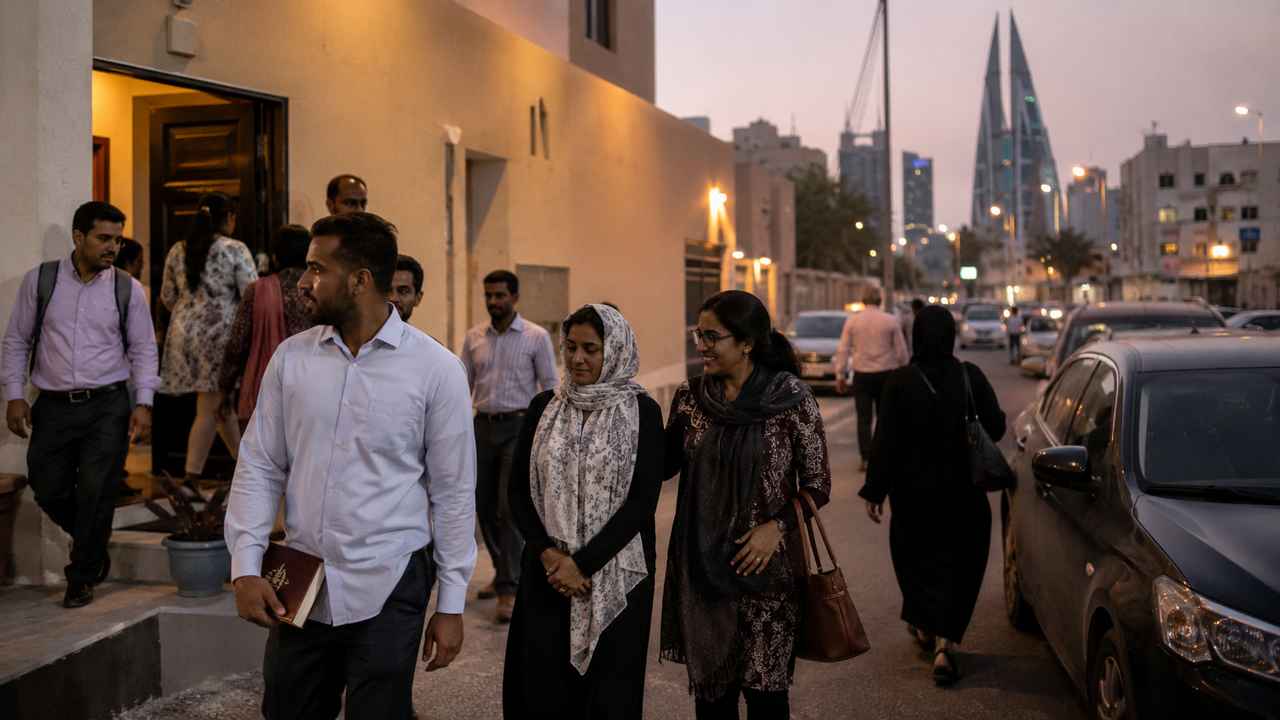
Bahrain is a small island kingdom in the Arabian Gulf where many expatriate Christians are able to gather for worship, yet public Christian witness still has clear limits. The country officially acknowledges places of worship for non-Muslim communities, and churches and Christian communities are present. But that does not mean all believers carry the same burden. Converts from Islam may face pressure from relatives and community members to keep silent, recant, or hide their faith. Churches also need wisdom in a setting where public speech about faith can be sensitive.
Bahrain also needs prayer because regional conflict has directly affected public life. In June 2026, reputable reporting said Iranian missiles were fired toward Bahrain and Kuwait during renewed Gulf tensions, with missiles aimed at Bahrain intercepted before reaching their targets. That development should not make Bahrain’s prayer burden only a regional-security story. But it does remind readers that believers there are seeking to follow Christ amid limits on public witness, careful public speech, migrant-worker vulnerability, and a tense Gulf environment.
Prayer Burden at a Glance
Pray for believers in Bahrain to remain faithful, wise, and courageous where worship is possible for many expatriates but public witness has clear limits. Pray especially for converts from Islam, expatriate churches, migrant Christian workers, and all who must follow Christ carefully amid family pressure, guarded public speech, and regional instability.
Last verified: June 22, 2026
Why Bahrain Needs Prayer Now
Bahrain needs prayer because Christian worship is possible for many expatriates, but Christian witness still has clear limits.
Non-Muslim places of worship are publicly recognized, and that is a mercy worth acknowledging. Yet public proselytizing among Muslims, criticism of Islam, and visible discipleship among Muslim-background believers can bring serious pressure.
The heaviest burden often falls on those who come to Christ from Islam. For them, the cost of discipleship may be carried quietly inside family relationships, community expectations, work settings, or daily social life. A believer may not face constant public hostility and still live under real pressure to hide, recant, or remain silent.
Bahrain’s restrictions on expression, assembly, online speech, and civil-society life also affect the setting in which churches serve. Christians are not the only people affected by this atmosphere, but churches and believers do not live outside it. They need wisdom to speak of Christ, care for vulnerable people, and live faithfully without fear or recklessness.
The June 2026 regional escalation adds another reason for prayer. Reports that missiles were fired toward Bahrain during renewed Gulf tensions show how quickly fear can enter ordinary life. Christians should pray for peace and restraint, and for the church in Bahrain to remain steady, compassionate, and faithful while the region remains tense.
Country Snapshot
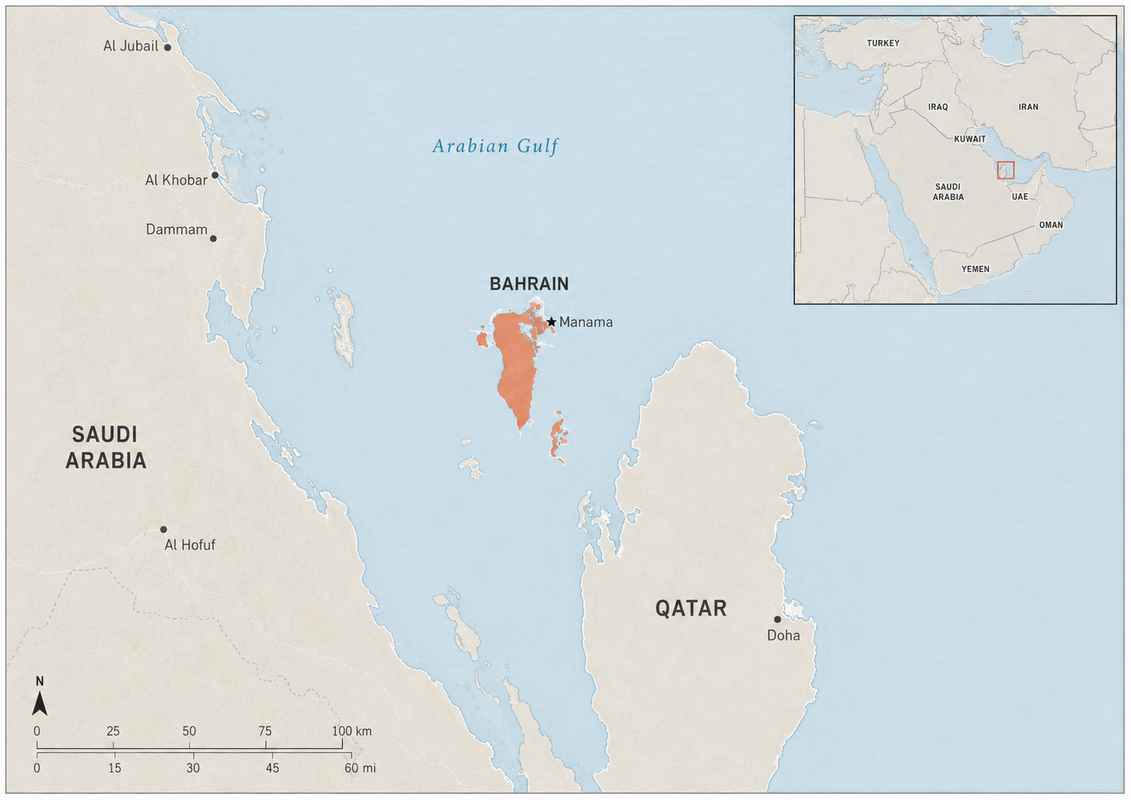
Bahrain is an island kingdom in the Arabian Gulf, with a Christian community made up mostly of expatriates and a much smaller indigenous Christian presence.
Islam is the official religion of Bahrain and is practiced by the majority of the population. The official national portal also says that places of worship for adherents of other religions are available in the kingdom. This helps explain why Bahrain should not be described simply as closed to Christian worship. The country has churches, expatriate congregations, and a small indigenous Christian community.
Most Christians in Bahrain are expatriates, including many workers from South Asia, Southeast Asia, Africa, and Western countries. Their experience can differ sharply from that of Muslim-background believers.
Spiritual and Practical Challenges Affecting Christians and Churches
The main challenges for Christians in Bahrain include worship space with clear limits, pressure on converts, careful public speech, migrant-worker vulnerability, and regional instability.
Worship Space with Clear Limits
Expatriate Christians may worship, but churches are expected to avoid public proselytizing among Muslims or speech viewed as insulting Islam. This means pastors, congregations, and individual believers must think carefully about public teaching, personal conversations, online activity, and relationships with Muslim neighbors or colleagues.
The Cost of Conversion
Local converts from Islam can face pressure from family and community to deny Christ, keep their faith hidden, or return outwardly to Islam. This pressure may not always be public, but it can be deeply personal. It can affect family belonging, marriage, work, friendships, baptism, discipleship, and the simple freedom to be known as a Christian.
Careful Public Speech
Restrictions on expression, assembly, civil society, and online speech can make people hesitant to speak openly about sensitive matters. For Christians, this can make witness more guarded and church care more delicate, especially when believers are vulnerable or easily misunderstood.
Vulnerable Migrant Workers
Many Christians in Bahrain are expatriate workers, and some live in vulnerable labor conditions. Migrant believers may face employer control, financial pressure, unpaid wages, isolation from family, or lack of protection in domestic work.
Regional Instability
The 2026 Gulf escalation should not replace Bahrain’s long-term prayer concerns, but it can increase fear, strain public life, and make ordinary people feel less secure. Churches need grace to remain steady when the wider atmosphere becomes tense.
Christian Life and Witness in Bahrain
Christian life in Bahrain is not experienced the same way by every believer.
Some believers worship openly in expatriate congregations, receive regular teaching, and enjoy fellowship with Christians from many nations. Others follow Christ quietly, with only a few trusted people knowing their faith. The same country can feel relatively open to one believer and deeply risky to another.
For expatriate churches, faithfulness often requires both courage and restraint. Pastors and leaders must shepherd people from different languages, cultures, and social positions. Some members may be professionals with stable lives; others may be migrant workers carrying heavy burdens. A church may need to preach Christ clearly, disciple believers patiently, care for the weary, and still move wisely in a sensitive public environment.
For Muslim-background believers, discipleship can be hidden and costly. Prayer, Bible reading, baptism, fellowship, marriage, parenting, and burial may all raise difficult questions when a person’s public identity remains tied to Islam. These believers need the Lord’s sustaining grace, wise pastoral care, trustworthy fellowship, and protection from despair.
For migrant Christians, church can be one of the few places where they are seen not merely as workers but as brothers and sisters in Christ. Some may arrive exhausted, indebted, far from family, or afraid to report mistreatment. A faithful church in Bahrain can become a place of worship, dignity, mercy, and spiritual strengthening for people who may otherwise feel unseen.
This is why Bahrain needs prayer beyond general religious-freedom language. The country’s Christian witness is carried through careful churches, quiet converts, vulnerable workers, faithful pastors, and ordinary believers learning how to honor Christ in a setting where public speech about faith can be sensitive.
Recent Developments
Recent developments should sharpen prayer for Bahrain without turning the guide into a news digest.
-
March 2025
Prisoner amnesty and continuing restrictions
King Hamad granted amnesty to 630 inmates in March 2025, following broader pardons in 2024. That development can be received as a mercy where it brought real relief. Yet reporting also indicated that prominent human-rights defenders and political leaders remained detained, and that restrictions on public expression, association, assembly, and online speech continued.
Prayer significance: Pray for mercy, justice, restraint, and public conditions in which churches can serve faithfully and vulnerable people can be protected.
-
2025
Migrant-worker vulnerability remains significant
Reporting on Bahrain’s labor conditions continued to highlight vulnerability under the sponsorship system, limited protections for domestic workers, and wage-related concerns. Because many Christians in Bahrain are expatriate workers, these concerns are not distant from church life. They affect people who may sit in worship services, serve in congregations, and need pastoral care.
Prayer significance: Pray for migrant Christian workers to receive justice, protection, rest, and wise pastoral care.
-
June 2026
Renewed Gulf tension affects Bahrain
Bahrain was affected by renewed Gulf tension. Reputable reporting said Iran fired missiles toward Kuwait and Bahrain, and that missiles aimed at Bahrain were intercepted. Reports also described air-raid sirens and public safety instructions in Bahrain. These details should remain carefully dated and attributed because the regional situation is volatile.
Prayer significance: Pray for peace and restraint in the Gulf, and for believers in Bahrain to remain steady and compassionate when fear rises.
These developments should not flatten Bahrain into one concern. They show why prayer should be both steady and specific: for converts under family pressure, for expatriate churches, for vulnerable workers, for public peace, and for believers to remain faithful while the country faces both long-term restrictions and current regional uncertainty.
How to Pray
Let the realities above guide specific, compassionate prayer for Bahrain.
-
Pray for Muslim-background believers in Bahrain, that the Lord would strengthen them where family pressure, secrecy, fear, or social isolation makes discipleship costly.
-
Pray for expatriate churches and pastors to serve with courage, humility, wisdom, and pastoral care in a setting where worship is possible but public witness must be handled carefully.
-
Pray for migrant Christian workers, especially domestic workers and low-wage laborers, that they would be protected from exploitation, treated with justice, and cared for by the church.
-
Pray for believers to speak of Christ wisely, neither hiding from fear nor acting carelessly, but bearing witness with patience, humility, and love.
-
Pray for peace and restraint in the Gulf, that Bahrain would be spared further attacks and that ordinary people would not live under growing fear.
-
Pray for churches to become places of refuge, discipleship, and mercy for expatriates, converts, families, and workers who need spiritual strengthening.
-
Pray that the Lord would open hearts in Bahrain to the gospel and gather people from many backgrounds into living faith in Christ.
Give Thanks
Give thanks for real mercies without overlooking the burdens that remain.
-
Give thanks that churches and Christian communities are present in Bahrain, including expatriate congregations and a small indigenous Christian community.
-
Give thanks that many expatriate believers are able to gather for worship, receive biblical teaching, and encourage one another in Christ.
-
Give thanks for any genuine relief brought through prisoner pardons, while continuing to pray for justice, protection, and greater freedom for those still vulnerable.
-
Give thanks for churches that serve migrant workers, welcome believers from different nations, and bear witness through quiet faithfulness.
Last Verified / Update Note
This note helps readers understand when the guide was reviewed and which developments may affect how they use it for prayer.
Review Status
Reviewed for current prayer use
This guide reflects a June 22, 2026 review of official Bahrain country information, Open Doors / World Watch Research material on Christian life and convert pressure, Bahrain’s 2026 World Watch List placement, Human Rights Watch reporting on 2025 rights conditions and migrant-worker vulnerability, and AP / Guardian reporting on June 2026 regional-security developments affecting Bahrain.
The main prayer burdens are Muslim-background believers who may face family or community pressure, expatriate churches that need wisdom in worship and witness, migrant Christian workers who may be vulnerable to mistreatment or isolation, careful public speech in a sensitive religious and civic setting, and peace and restraint amid Gulf tensions.
Developments to watch include regional Gulf tensions involving Iran, Bahrain, Kuwait, and U.S. forces; any new restrictions affecting worship, public speech, or converts; changes in migrant-worker protections; updated religious-freedom or human-rights reporting; and any major public-order or security developments that may affect church life, daily witness, or ordinary people in Bahrain.
Bahrain has some official public information and useful outside reporting, but church-life details are limited, especially for Muslim-background believers. Regional-security reporting can also change quickly. This guide therefore keeps fast-moving claims dated and attributed, distinguishes expatriate worship space from convert pressure, and avoids overstating what can be known about every Christian’s experience.
Help keep this guide accurate and current
If you noticed a possible correction, broken link, or significant country update, please contact the Nations Prayer Directory so we can review it carefully.
Key Sources Consulted
Sources that materially informed this Bahrain prayer guide, including official country information, Christian-life and religious-pressure reporting, human-rights and labor context, and current regional-security reporting.
Official Bahrain country information
- Kingdom of Bahrain National Portal. “About Bahrain.” Used for official country information, including leadership, government structure, population, official religion, and Bahrain’s statement that places of worship for adherents of other religions are available in the kingdom.
Christian life and religious-pressure sources
- Open Doors / World Watch Research. “Bahrain: Persecution Dynamics,” February 2025. Used for church-life context, including expatriate Christian worship space, limits around public proselytizing among Muslims, pressure on converts from Islam, and vulnerability among some Christian migrant workers.
- Open Doors / World Watch Research. “WWL 2026 Compilation of Main Documents,” January 2026. Used for Bahrain’s 2026 World Watch List placement and Christian population estimate.
Human rights, labor, and public-life context
- Human Rights Watch. “World Report 2026: Bahrain.” Used for 2025 context on prisoner pardons, continuing detention concerns, restrictions on expression and association, migrant-worker vulnerability, and online surveillance / censorship.
Current regional-security reporting
- Associated Press. June 2026 reporting on Iran firing missiles toward Kuwait and Bahrain. Used for current reporting that Iran fired missiles toward Kuwait and Bahrain and that missiles aimed at Bahrain were intercepted.
- The Guardian. June 2026 reporting on Bahrain and Kuwait being targeted amid renewed Gulf tensions. Used as corroborating current reporting on Bahrain’s air-raid alerts, the missile and drone claims, and the wider Gulf-security context.
Source Context
These notes explain how to read the sources behind this guide.
Source Context
- Source mix: This guide uses Bahrain’s official national portal for basic country facts and official public information, while relying on outside religious-freedom, human-rights, and current-affairs sources to describe pressures affecting Christians, converts from Islam, migrant workers, public speech, and regional security.
- Church-life reporting: Public church-life reporting on Bahrain is limited, especially for Muslim-background believers. For that reason, this guide avoids broad claims about every Christian’s experience and distinguishes between expatriate Christian worship, convert pressure, migrant-worker vulnerability, and wider public restrictions.
- Religious-freedom interpretation: Bahrain should not be described simply as closed to Christian worship, because expatriate congregations and non-Muslim places of worship are present. At the same time, the guide keeps clear that public witness, conversion from Islam, and speech about Islam may carry real limits or personal cost.
- Migrant-worker context: Many Christians in Bahrain are expatriate workers, so labor conditions and domestic-worker vulnerability are not treated as distant background concerns. They are included where they materially affect church care, pastoral burdens, and the lived experience of believers.
- Fast-moving regional-security reporting: The Bahrain-related June 2026 conflict material is volatile, so this guide keeps those claims dated and attributed. It does not present disputed casualty figures, damage claims, or military assessments as settled where they were not confirmed by stable, high-quality sources.
A Closing Prayer for Bahrain
Bring Bahrain before the Lord with reverence, compassion, and confidence in Christ.