


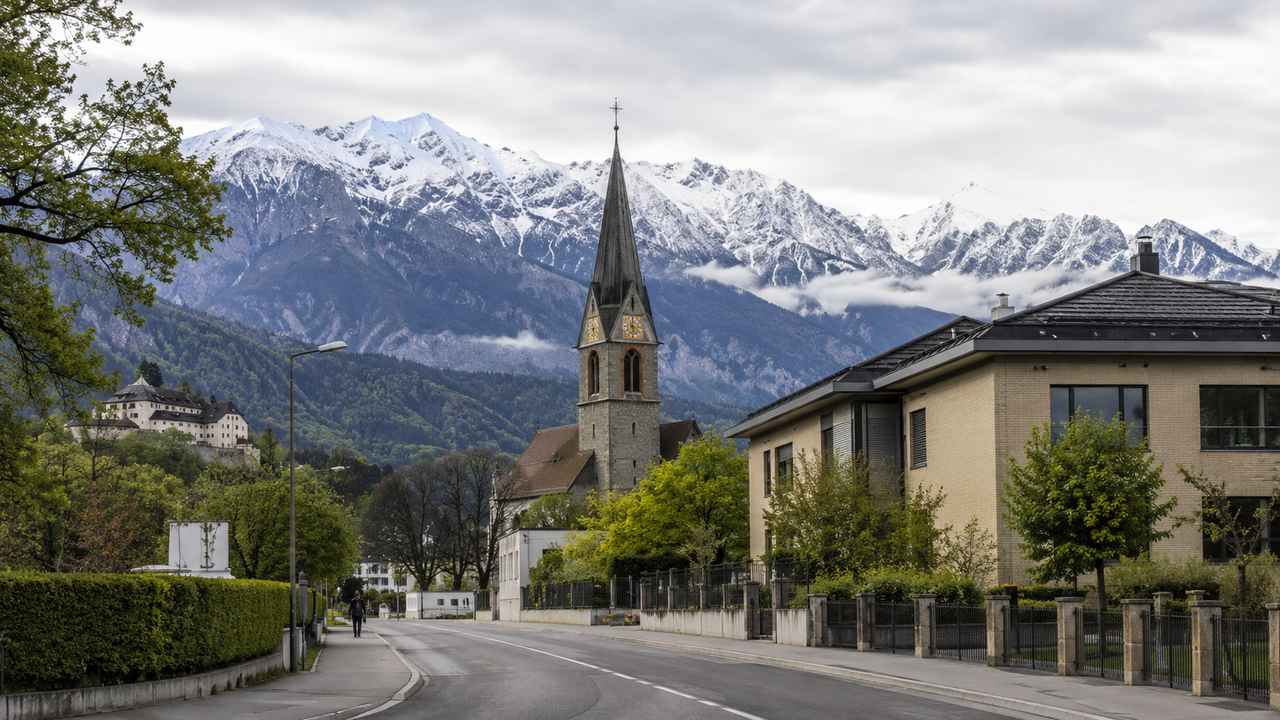
Liechtenstein is peaceful and prosperous, with strong public order, broad civil freedom, and a public life still shaped by Christian history. These gifts should lead Christians to give thanks, but they do not remove the need for prayer. In a comfortable country, faith can become a respected inheritance rather than active trust in Christ, regular worship, repentance, and obedient discipleship.
Liechtenstein needs prayer for believers to use their freedom well, for churches to teach Christ clearly, for public leaders to govern wisely, and for religious communities to be treated with fairness and clarity. The prayer need is less dramatic than in many countries, but still important: Christians need courage, churches need faithful teaching and active discipleship, and public Christian identity must not replace repentance, worship, and obedience.
Prayer Burden at a Glance
Pray that Christian identity in Liechtenstein would lead to personal trust in Christ, regular worship, repentance, and obedient discipleship. Ask God to strengthen churches in faithful preaching and humble witness, give wisdom to public leaders, and help Christians respond to changing views of marriage, family, and public faith with courage, patience, truth, and love.
Last verified: June 2026
Why Liechtenstein Needs Prayer Now
Liechtenstein’s prayer burden is not severe persecution or national crisis, but the need for living faith, wise leadership, fair religious-community arrangements, and faithful Christian witness in a comfortable and changing society.
Liechtenstein needs prayer because freedom and stability, though real gifts, can also hide deep spiritual need. Christians in Liechtenstein are generally free to worship, gather, and speak of their faith. The country does not face the kind of war, famine, or severe persecution that burdens many other nations. That should lead believers to give thanks.
Yet peace should not be mistaken for spiritual health. Liechtenstein remains historically Christian and majority Catholic, but official religious-affiliation data shows long-term change. Catholic affiliation has declined over several decades, Protestant communities remain a minority, and the share of people reporting no religious affiliation has grown. Those figures do not tell us how many people are living as active disciples of Christ, but they do show that inherited Christian identity cannot be assumed to mean living faith.
Liechtenstein also formed a new government in 2025. Parliamentary elections brought a new governing coalition for the 2025–2029 term, led by Prime Minister Brigitte Haas. At the same time, Liechtenstein continues to face legal, cultural, and social questions that matter for Christian prayer: the relationship between church and state, fair treatment of religious communities, the place of Christian teaching in public life, and how churches should speak about faith, marriage, family, and moral responsibility.
For these reasons, Liechtenstein needs prayer not because believers appear to face severe state persecution, but because they must use freedom faithfully. Churches need more than protected tradition. They need believers who worship regularly, trust Christ personally, teach Scripture clearly, serve neighbors humbly, and speak of Christ with courage.
Country Snapshot
A brief orientation to Liechtenstein’s location, people, public leadership, and religious setting.
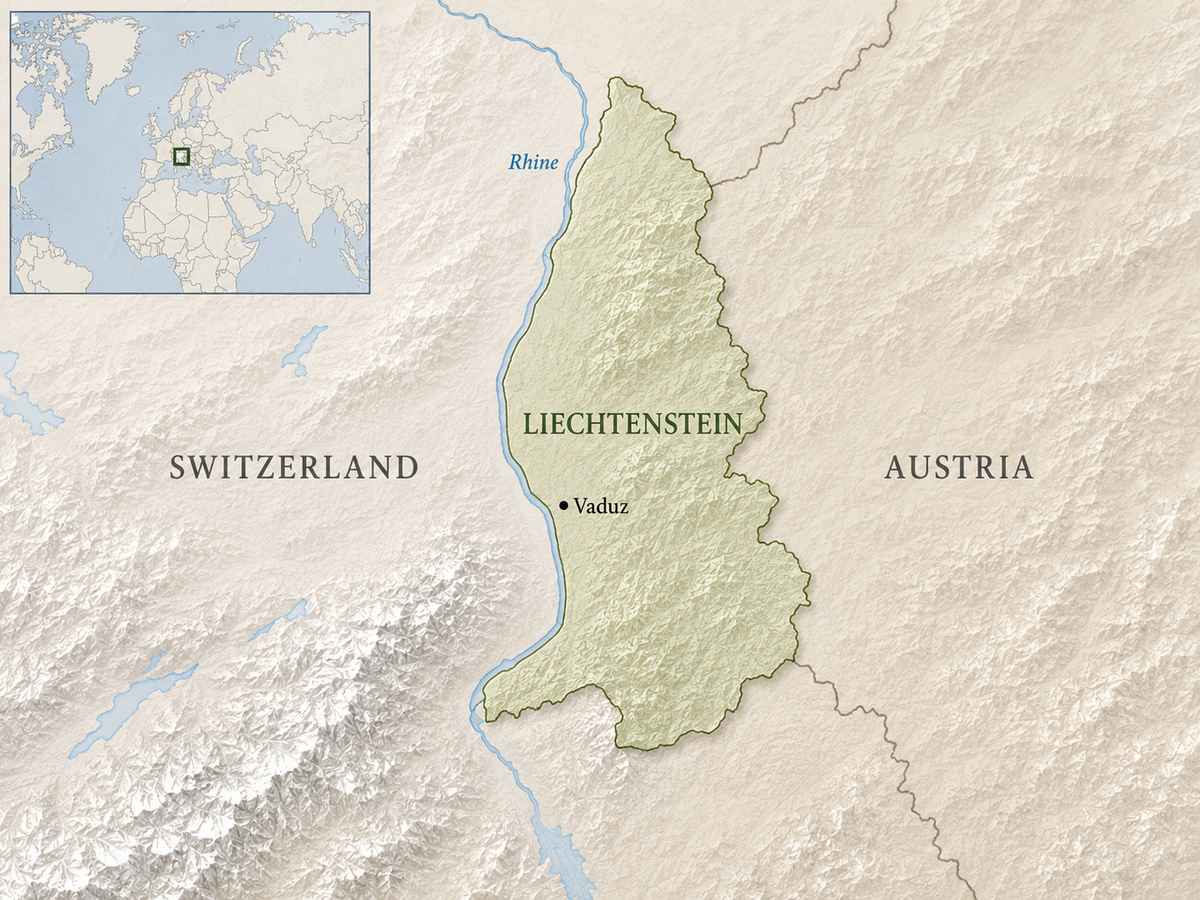
Liechtenstein is a small landlocked principality in Central Europe, bordered by Switzerland and Austria. Its capital is Vaduz. The country is a constitutional hereditary monarchy with parliamentary institutions. Prince Hans-Adam II remains the Reigning Prince and Head of State, while Hereditary Prince Alois has carried out the duties of Head of State as his father’s deputy since 2004.
The government is led by Prime Minister Brigitte Haas. The current government serves the 2025–2029 legislative term and is a coalition of the Patriotic Union and the Progressive Citizens’ Party.
Liechtenstein’s population is small but internationally connected. Official preliminary statistics put the permanent population at 41,237 at the end of 2025, with more than one-third of residents being foreign nationals. Many foreign residents come from nearby Switzerland, Austria, Germany, and the wider European Economic Area.
Religiously, Christianity still shapes Liechtenstein’s public identity and religious affiliation. The 2020 census recorded Roman Catholic affiliation at 69.6 percent, Protestant affiliation at 8.1 percent, and no religious affiliation at 9.6 percent. Those figures should be handled carefully. They measure affiliation, not worship attendance, personal faith, repentance, or discipleship. Still, they help readers see the country’s religious setting: Liechtenstein is still historically Christian, but religious identity is changing.
Spiritual and Practical Challenges Affecting Christians and Churches
The main challenges affecting Christian life in Liechtenstein are comfort without active discipleship, inherited religion without personal faith, unresolved church-state questions, and faithful witness as public views on marriage, family, and religion change.
Comfort without active discipleship
One challenge facing Christians in Liechtenstein is that peace and prosperity can make worship, repentance, and discipleship seem less urgent. In countries marked by public order, strong institutions, and material prosperity, Christianity may remain respected while regular worship, repentance, and obedience weaken. Church buildings, Christian holidays, Catholic heritage, and public religious customs may still be visible, but these signs cannot replace personal trust in Christ.
Unfinished church-state questions
The Roman Catholic Church has a protected constitutional position as the national church, while other religious communities have a different legal status. Human-rights reporting notes that proposed reform of religious-community law could improve recognition for some groups, but deeper questions about equal treatment and the relationship between church and state remain unresolved. Christians should pray that this matter is handled justly, peacefully, and clearly.
Christian witness as public moral views change
Same-sex marriage entered into force in Liechtenstein in January 2025, reflecting changes in law and public views that churches must address through clear teaching, wise pastoral care, and love for neighbors. This matters for discipleship, family life, pastoral care, and public witness. Churches need wisdom to speak truthfully about marriage, sexuality, repentance, grace, and human dignity without harshness, fear, or compromise.
Faithfulness in a close-knit society
Liechtenstein’s small size and close social networks can be a blessing, but they can also make faithful witness personally costly. Public life, church life, family ties, workplaces, and civic relationships may overlap closely. Believers may need courage to live openly for Christ in ordinary settings where faith is treated as cultural background rather than a call to obedience.
Christian Life and Witness in Liechtenstein
Christians in Liechtenstein generally worship freely, yet faithful witness still requires clear teaching, humble service, and daily obedience in a society where faith may be respected as heritage but ignored as a call to follow Christ.
Christian life in Liechtenstein is shaped most visibly by the Roman Catholic Church. Catholic identity, public religious heritage, and parish life remain important features of the country. The Archdiocese of Vaduz continues to publish pastoral material and take part in public religious discussion.
Protestant and other Christian communities are smaller. They do not have the same historic public position as the Catholic Church, but they are part of the country’s religious landscape. It is right to pray for all faithful Christian communities in Liechtenstein: Catholic, Protestant, and other believers who seek to worship God, teach Scripture, disciple families, serve neighbors, and bear witness to Christ.
For many believers, faithfulness will look ordinary rather than dramatic. It may mean regular worship, teaching children the faith, resisting moral compromise, speaking of Christ in families and workplaces, caring for elderly neighbors, welcoming foreign residents, and acting with integrity in business and public life. These ordinary acts matter. In a prosperous country, daily obedience can make the gospel visible.
Churches in Liechtenstein also have an opportunity. Because the country enjoys peace and freedom, believers can teach, gather, serve, and pray openly. That freedom should not be wasted. Pray that Christians would use it to teach Scripture, grow in worship and obedience, strengthen families, show mercy, and speak clearly of salvation in Christ.
Recent Developments
Recent public developments in Liechtenstein help Christians pray for leaders, religious freedom, churches, families, workers, and public witness.
-
February 2025
Parliamentary election and new government
Liechtenstein’s February 9, 2025 parliamentary election led to a new governing coalition for the 2025–2029 term under Prime Minister Brigitte Haas. The official results recorded a turnout of 76.3 percent.
Prayer significance: Pray for wise leadership, public humility, justice, restraint, and faithful stewardship in a small country where public decisions quickly affect close communities.
-
January 2025
Same-sex marriage entered into force
Same-sex marriage entered into force in January 2025. For Christians, this is part of the wider public setting in which churches must teach, pastor, disciple families, and witness with biblical conviction and neighbor-love.
Prayer significance: Pray for churches to speak truthfully and graciously about marriage, sexuality, repentance, grace, human dignity, and the hope of Christ.
-
2024–2025
Religious-community law remains unresolved
Human-rights reporting notes that Liechtenstein’s Roman Catholic Church continues to hold a special constitutional place, while other religious communities remain differently positioned. Proposed legal reform has not fully resolved the issue.
Prayer significance: Pray for fair, peaceful, and clear legal arrangements that protect religious freedom and help communities live together without resentment or confusion.
-
2025–2026
Economic headwinds in a strong economy
Liechtenstein remains wealthy and fiscally strong, but recent economic reporting described subdued activity, flat growth, labor-market cooling, and pressure on export-oriented sectors.
Prayer significance: Pray for workers, families, employers, young adults, and leaders responsible for wise economic stewardship.
-
2025
Thirty years of EEA membership
Liechtenstein marked 30 years of European Economic Area membership in 2025, reminding readers that this small country is closely tied to wider European economic and civic life. Its churches do not witness in isolation. They serve in a society affected by European debates about secularization, public morality, economic integration, and cross-border mobility.
Prayer significance: Pray that churches would remain rooted in Christ and His Word while serving a society affected by secularization, public debates about morality, economic integration, and cross-border mobility.
How to Pray
Pray for personal trust in Christ, faithful churches, wise leaders, fair treatment of religious communities, and gracious witness in Liechtenstein.
-
Pray that many people in Liechtenstein would move beyond inherited Christian identity. Ask God to bring personal trust in Christ, regular worship, repentance, and obedient discipleship.
-
Pray for Catholic, Protestant, and other faithful Christian communities. Ask the Lord to help them teach Scripture clearly, preach Christ faithfully, and disciple believers with patience and courage.
-
Pray for pastors, priests, elders, teachers, and Christian parents. Ask God to give them biblical conviction and pastoral tenderness in a society where faith may be respected as heritage but ignored as a call to obey Christ.
-
Pray for those entrusted with public leadership. Pray for Prime Minister Brigitte Haas, the government, Parliament, Prince Hans-Adam II, and Hereditary Prince Alois to act with wisdom, justice, humility, and restraint.
-
Pray for fair and peaceful handling of religious-community questions. Ask God to guide unresolved church-state and religious-community matters so that the law is fair, communities are treated with respect, and public discussion remains peaceful.
-
Pray for Christian witness amid changing views of marriage, sexuality, and family. Ask the Lord to help believers speak and live according to His Word with courage, humility, patience, and love for their neighbors.
-
Pray for workers, families, young people, citizens, and foreign residents. Ask God to help churches serve them with compassion and speak clearly of the hope found in Christ.
Give Thanks
Liechtenstein’s prayer needs are real, but so are the mercies God has preserved there.
-
Give thanks that Christians in Liechtenstein are generally free to worship, gather, teach, serve, and speak of their faith. This freedom is a mercy and a serious stewardship.
-
Give thanks for public peace, political stability, strong institutions, and orderly civic life. Many countries do not enjoy these gifts.
-
Give thanks for church buildings, parish life, public Christian memory, and open opportunities for churches to teach the faith. Pray that these visible mercies would lead people to regular worship, repentance, and obedience to Christ.
-
Give thanks for the country’s material provision, strong public finances, and relative social calm. Pray that prosperity would not make people spiritually careless.
-
Give thanks for religious dialogue and peaceful coexistence among different communities. Praise God for this mercy even where legal and practical questions remain unresolved.
Last Verified / Update Note
This note helps readers understand when the guide was reviewed and which developments may affect how they use it for prayer.
Review Status
Reviewed for current prayer use
This guide reflects a June 2026 review of official government information, official election results, official population and religious-affiliation statistics, religious-freedom reporting, civil-liberties reporting, material from the Archdiocese of Vaduz, and economic analysis. The review focused on Liechtenstein’s 2025 government transition, public leadership, religious composition, church-state arrangements, religious-community law, same-sex marriage implementation, civil liberties, economic conditions, and the limited public information available about Protestant, evangelical, and smaller Christian communities.
The main prayer burdens are personal trust in Christ beyond inherited Christian identity, churches that teach and disciple faithfully, wise public leadership, fair handling of church-state and religious-community questions, and gracious Christian response to changes in public law and public views on marriage, family, and religion.
Developments to watch include whether religious-community legislation changes, whether newer religious-composition data becomes available, how public debate around marriage and family develops, future leadership changes, and economic conditions affecting workers, families, employers, and young people.
Religious-composition data currently relies on the 2020 census and should not be presented as a current 2026 breakdown. It measures religious affiliation, not worship attendance, personal faith, or active discipleship. Catholic institutional life is easier to document directly than Protestant, evangelical, or smaller Christian communities, so this guide prays broadly for faithful Christian communities without making detailed claims that the available sources do not support.
Help keep this guide accurate and current
If you noticed a possible correction, broken link, or significant country update, please contact the Nations Prayer Directory so we can review it carefully.
Key Sources Consulted
Sources that materially informed this Liechtenstein prayer guide, including official public leadership sources, election results, official statistics, religious-freedom reporting, material from the Archdiocese of Vaduz, civil-liberties reporting, and economic analysis.
Government, elections, and public leadership sources
-
Government of the Principality of Liechtenstein — “The Government”
Used for the current 2025–2029 government, coalition structure, and officeholders, including Prime Minister Brigitte Haas, Deputy Prime Minister Sabine Monauni, and the other government ministers. -
Official Landtag Election Results — “Landtagswahlen 2025”
Used for the February 9, 2025 parliamentary election result, seat distribution, party vote shares, and voter turnout. -
The Princely House of Liechtenstein — “The Princely House”
Used for the constitutional monarchy context, Prince Hans-Adam II’s role as Reigning Prince and Head of State, and Hereditary Prince Alois’s delegated duties.
Population and religious-composition sources
-
Liechtenstein Statistics Portal — “Bevölkerungsstand: preliminary results, 31 December 2025”
Used for the latest population figure, total population context, foreign-national share, and the country’s small but internationally connected social setting. -
Liechtenstein Statistics Portal — “Bevölkerungsstruktur 2020”
Used for religious-affiliation data, including Roman Catholic, Protestant / Reformed, and no-affiliation categories, and for careful context on Liechtenstein’s continuing Christian heritage and changing religious identity.
Religious freedom, church-state, and church-life sources
-
Verein für Menschenrechte in Liechtenstein — Monitoring Report 2024, “Religious freedom”
Used for church-state arrangements, the Roman Catholic Church’s special constitutional status, the legal position of non-Catholic religious communities, the proposed Religious Communities Act, the postponed second reading, minority-religion practical concerns, and interreligious dialogue. -
Archdiocese of Vaduz — official website
Used as a direct Catholic church-life source, including evidence of ongoing pastoral communication, parish and diocesan activity, and public Catholic engagement in Liechtenstein.
Civil liberties, recent developments, and economic sources
-
Freedom House — “Freedom in the World 2026: Liechtenstein”
Used for Liechtenstein’s civil-liberties context, religious-freedom assessment, January 2025 same-sex marriage implementation, February 2025 parliamentary election context, Brigitte Haas becoming prime minister, and broader public-life developments. -
International Monetary Fund — “IMF Executive Board Concludes 2026 Article IV Consultation with the Principality of Liechtenstein”
Used for the economic setting, including subdued 2025 activity, flat growth, labor-market cooling, export pressures, fiscal buffers, and the country’s generally strong public-finance position. -
Government of the Principality of Liechtenstein — “30 years of EEA membership”
Used for background on Liechtenstein’s European integration and the 2025 anniversary of its European Economic Area membership.
Source Context
How to read the sources behind this Liechtenstein guide, where the main prayer concerns involve church-state questions, changing religious affiliation, public debates about marriage and family, and faithful Christian witness in a peaceful country.
Source Context
- Source mix. Because Liechtenstein is generally peaceful and Christians are usually free to worship, this guide does not describe the country as a crisis or persecution setting. It relies most heavily on official public sources, official statistics, religious-freedom monitoring, civil-liberties reporting, direct church material, and economic analysis. Readers should understand the guide’s prayer concerns in light of the country’s freedom, stability, Christian history, church-state questions, and changing public views about marriage, family, and religion.
- Religious affiliation. Religious-affiliation figures are useful but limited. They show how people identified in the 2020 census, not how often they worship, whether they personally trust Christ, or how deeply churches are discipling believers. These figures help explain the religious setting, but they should not be treated as proof of individual faith or discipleship.
- Church-life information. Public information about church life is uneven. Catholic institutional life is easier to document directly than Protestant, evangelical, or smaller Christian communities. For that reason, this guide prays broadly for faithful Christian communities without making detailed claims that the available public sources do not support.
- Legal and moral developments. Some current legal and moral developments, especially same-sex marriage and religious-community law, should be read carefully. They matter for Christian prayer, but they should not turn the guide into a political argument. The proper prayer focus is faithful teaching, wise pastoral care, public truthfulness, charity toward neighbors, fairness in law, and courage without harshness.
A Closing Prayer for Liechtenstein
A concise prayer gathering Liechtenstein’s present burden before the Lord.


