


Afghanistan is a country where following Christ openly can bring grave danger. The number of Afghan believers is unknown and believed to be very small because converts must usually conceal their faith. There is no visible, publicly functioning Christian church in Afghanistan where Afghan believers can gather openly as an Afghan congregation. They cannot freely attend public worship, join a recognised local church or receive pastoral care in the ordinary way.
Afghans across the country also face severe hardship. Women and girls live under far-reaching restrictions. Millions of people struggle with hunger, poverty, drought and weakened health services. Large numbers of Afghans have returned from neighbouring countries—some through deportation or other forms of pressure—to communities that already lack sufficient housing, employment, clean water, schools and medical care.
Afghanistan should not, however, be seen only through its suffering. Its people are men, women and children made in the image of God. They need justice and mercy, and above all they need the saving gospel of Jesus Christ. Christians can pray with confidence that God will preserve His hidden people, bring Afghans to repentance and faith, restrain those who misuse authority and provide for families whose needs receive little public attention.
Prayer Burden at a Glance
Pray for Afghans to hear the gospel clearly, repent of sin and trust in Jesus Christ; for hidden believers to receive Scripture, faithful teaching, safe fellowship and wise pastoral care; for women and girls to regain education, meaningful work, health care and protection under the law; for rulers and judges to govern justly; for families facing hunger, displacement, unemployment, drought and inadequate medical care; and for peace, protection from militant violence and enduring hope in Christ.
Last verified and source-checked: August 1, 2026
Why Afghanistan Needs Prayer Now
Strict religious rule, restrictions on women and girls, humanitarian hardship, large numbers of Afghans returning from neighbouring countries, insecurity and the danger facing Christians all contribute to the country’s present need for prayer.
Afghanistan is governed by the Taliban’s de facto Islamic Emirate. Its leaders describe their laws and policies as an application of Islamic teaching and a defence of Afghan religious and social values. Independent observers have documented severe restrictions affecting women and girls, religious minorities, journalists, civil society and people whose beliefs or conduct do not conform to the authorities’ requirements.
The exclusion of women and girls from education is one of the country’s most serious restrictions. Secondary and higher education remained closed to them in August 2026, affecting approximately 2.2 million adolescent girls. The authorities have said that the leadership is seeking a solution consistent with its understanding of sharia and Afghan tradition, but no nationwide reopening had been announced. The restrictions harm individual girls and also reduce Afghanistan’s future supply of women teachers, doctors, nurses and other skilled workers.
Afghanistan is also enduring a deep humanitarian emergency. Millions of people need food assistance, and malnutrition threatens many women and children. Health services have been weakened by funding shortages, facility closures, too few trained workers and restrictions affecting women’s employment. Drought, unemployment, limited access to banking services and international financial channels, and repeated disasters have made it even harder for families to recover.
Large-scale returns from Pakistan and Iran have added to these pressures. Many people arrive with little money, uncertain documentation and no secure home or employment. The communities receiving them may already lack sufficient water, schools, clinics and livelihoods.
The country also needs prayer for peace and public safety. Cross-border fighting involving Pakistan has killed and displaced civilians and disrupted trade and humanitarian routes. ISIS-K continues to threaten civilians and minority communities. Afghanistan has not returned to the same nationwide conventional war that existed before 2021, but many families still live with insecurity, coercion and the fear of sudden violence.
Afghan Christians face these same national hardships. In addition to hunger, displacement, restrictions and insecurity, they face danger because of their faith in Christ.
Country Snapshot
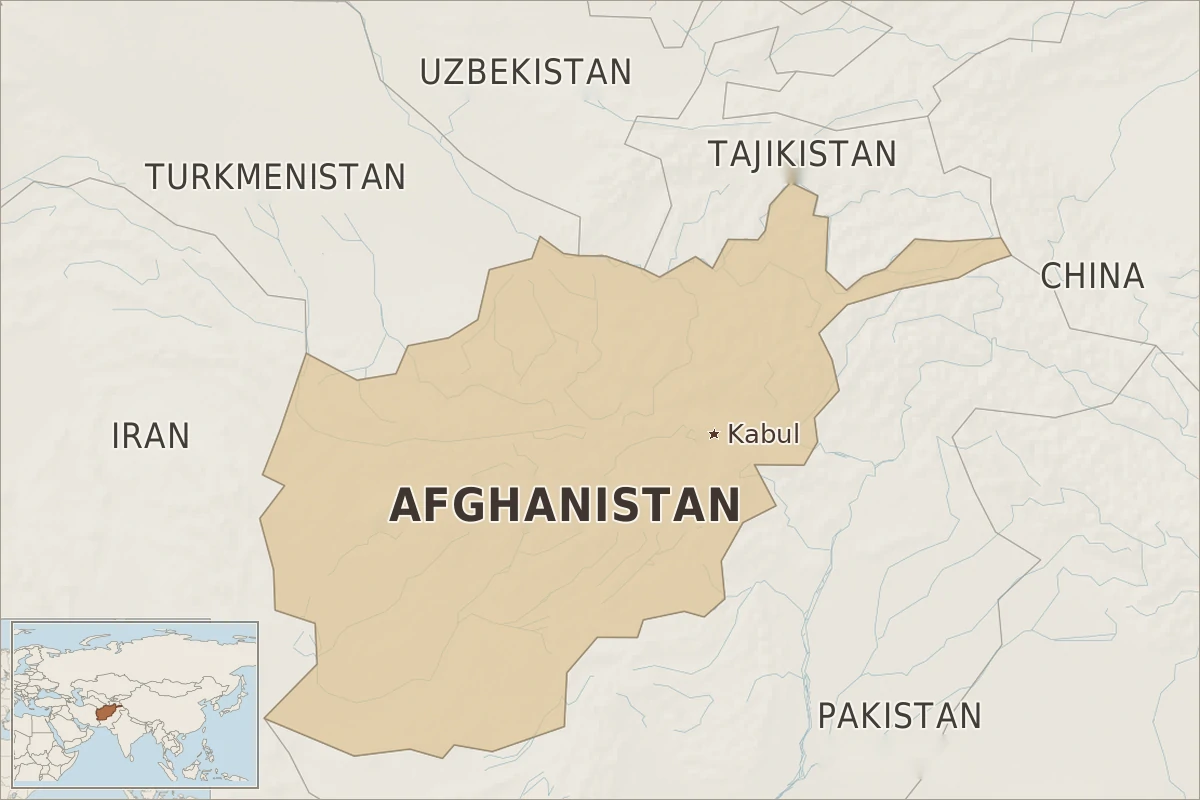
A brief orientation to Afghanistan’s location, people, government, international position and religious setting.
Spiritual and Practical Challenges Affecting Christians and Churches
Afghan believers face conversion-related danger, the absence of open church life, isolation, family pressure and the same humanitarian suffering carried by their neighbours.
Conversion can bring danger from authorities, relatives and communities
Afghan Christians are generally believed to be converts from Islam or members of families affected by conversion. Leaving Islam may be treated as apostasy, while relatives and communities may regard conversion as shameful, disloyal or damaging to family honour. A believer may face rejection, coercion, separation from loved ones, threats, violence, detention or pressure to renounce Christ. It is not safe for Afghan converts to profess Christian faith openly.
No visible public Afghan congregation
There is no visible, publicly functioning Christian church in Afghanistan where Afghan believers can gather openly as an Afghan congregation. Afghan converts cannot safely attend an openly identified local church, advertise worship services, establish a recognised congregation, preach publicly or train pastors openly. Many must practise their faith alone or in very small and carefully protected fellowship.
Isolation makes discipleship especially difficult
Some believers may have little safe contact with other Christians. They may lack access to a complete Bible, careful teaching or trusted pastoral counsel. Isolation can leave converts vulnerable to fear, theological confusion, discouragement and profound loneliness. They need faithful fellowship, sound discipleship and trustworthy leadership without unnecessary exposure.
Christian families face particular pressure
Conversion may divide marriages and extended families. Believers may be pressured to conceal their convictions, renounce Christ, enter an unwanted marriage or end Christian relationships. Parents may fear that their children will reveal the family’s faith, while young believers may be especially vulnerable to control by relatives.
Christian women face restrictions as women and danger as believers
Afghan Christian women live under the restrictions imposed on women and girls while also facing danger because of their faith. Limits on education, work and movement can make it even harder for them to receive Christian teaching, find fellowship, obtain medical care or seek help when threatened.
Humanitarian suffering affects believers and their neighbours
Hunger, unemployment, drought, inadequate medical care and displacement do not fall only on Christians. Hidden believers experience the same national hardships as the wider population and may have fewer safe people to whom they can turn for help. Because Afghan believers must often remain hidden, their number cannot be estimated reliably, and names, locations or other identifying details must remain private for their safety.
Christian Life and Witness in Afghanistan
Believers need courage joined with wisdom, the ordinary gifts of church life, and grace to speak and live faithfully for Christ without careless exposure.
Christian life in Afghanistan requires deep dependence on God. Believers cannot assume that they will have regular access to the life of a healthy local church. Gathering with other Christians, receiving biblical instruction or speaking openly about Christ may place them and their families in danger.
Their secrecy should not be romanticised. Living without an openly gathered church is not an ideal form of Christian life. Believers need Scripture, faithful pastors, baptism, the Lord’s Supper, prayer, fellowship and the loving encouragement and correction of Christ’s church. Christians should ask God to provide these gifts in ways that are faithful, safe and suited to the circumstances of His people.
Afghan believers also need wisdom in bearing witness. Courage does not require careless exposure, and caution does not have to mean faithlessness. Pray that Christians will know when to speak, when silence is wise, how to answer questions truthfully and how to reflect the character of Christ through patient, holy and compassionate lives.
Afghans living outside the country may have more freedom to encounter the gospel through churches, Christian friends, Scripture, media and ministry among Afghan communities abroad. Christians serving Afghans outside the country need humility, cultural understanding and careful concern for anyone whose family connections might place them at risk.
Afghan Muslims should not be treated as political or religious enemies. They are people made in God’s image who need the mercy found in Jesus Christ. Pray that they will hear the gospel clearly, recognise the holiness and compassion of Christ, turn from sin and trust Him as Lord and Saviour.
Recent Developments
Restrictions on education, large numbers of returning Afghans, border fighting, legal changes, humanitarian hardship, disaster recovery and diplomatic recognition help Christians pray more specifically for Afghanistan now.
-
August 2026
Girls remain excluded from secondary and higher education
The national prohibition on secondary and higher education for girls and women remained in place. In July, a Taliban spokesman said that the leadership was concerned about the issue and seeking a solution consistent with its understanding of sharia and Afghan traditions. No reopening date or nationwide policy reversal was announced. The prohibition also threatens Afghanistan’s future supply of women teachers and health professionals.
Prayer significance: Pray for education to reopen, for girls and women to be protected, and for Afghanistan to retain and train the women professionals needed by families and communities.
-
January–July 2026
More than one million Afghans returned
By July 18, UNHCR and IOM data had recorded approximately 1.02 million returns to Afghanistan during 2026. By July 20, the same data system had recorded approximately 378,100 deportations. These figures include people returning under different circumstances and may continue to change. Many returnees arrive without secure housing, reliable documents, employment or access to schools and medical care.
Prayer significance: Pray for shelter, documentation, work, schooling and protection for returnees, and for strength and generosity in the communities receiving them.
-
2026
Fighting with Pakistan harmed civilians and disrupted aid routes
Cross-border fighting, strikes and border closures displaced families and made humanitarian work more difficult. Afghan authorities say that they acted in defence of the country and deny allowing Afghan territory to be used for attacks against Pakistan. Pakistan says that its operations respond to militant threats and accuses the Taliban authorities of failing to prevent cross-border militant activity. Responsibility for the escalation remains disputed. Regardless of the competing claims, civilians suffered deaths, injuries, displacement and interruptions to food and medical supplies.
Prayer significance: Pray for restraint, truthful dialogue, protection of border communities and an end to actions that punish ordinary families.
-
May 2026
New marital-separation rules raised concerns about women’s protection
The Ministry of Justice published a code describing circumstances in which judges may grant separation between spouses. The authorities describe it as a sharia-based legal procedure. UNAMA and other observers argue that the code operates within a deeply unequal legal system, gives men much broader powers to end marriages and raises serious concerns about women’s consent and child marriage. Its practical effects on women and children are not yet fully clear.
Prayer significance: Pray for women and children to receive just protection, and for judges and officials to act with truth, mercy and restraint.
-
2025–July 2026
Hunger, weakened health services and disaster recovery remain serious burdens
Millions of Afghans need food or health assistance. Funding reductions mean that many cannot receive the help they need, while malnutrition, disease outbreaks, drought and the arrival of large numbers of returnees place further strain on already weakened health and relief services. Communities in eastern Afghanistan continued rebuilding after the destructive August 2025 earthquake, and flash floods in July 2026 brought further deaths and damage in parts of the same broad region.
Prayer significance: Pray for food, clean water, medical care, wise relief work and long-term recovery for families in remote and heavily affected communities.
-
July 2025–August 2026
Diplomatic contact increased without broad recognition
Russia formally recognised the Islamic Emirate in 2025. Other countries continued diplomatic meetings, trade discussions and other forms of contact without necessarily granting formal recognition. Some governments favour cooperation on trade, security and regional stability, while others continue to emphasise unresolved concerns involving women’s rights, governance, religious freedom and militancy. Increased contact should not be mistaken for broad international acceptance of the governing system.
Prayer significance: Pray that international engagement will serve peace, truth, justice and the protection of vulnerable people rather than strengthen oppression or conceal serious abuses.
How to Pray
Pray for salvation, the preservation and discipleship of hidden believers, justice for the vulnerable, provision for suffering families and peace.
-
For Afghans to hear and believe the gospel. Ask God to open doors for the good news of Jesus Christ to be communicated clearly and faithfully. May Afghans inside the country and throughout the diaspora repent of sin, trust in Christ and be gathered into faithful churches.
-
For hidden believers, their families and their fellowship. Ask Christ to protect believers from exposure, violence, detention and rejection. May He provide Scripture, sound teaching, safe fellowship and trustworthy pastoral care. Remember Christian marriages, parents and children living under pressure, and pray for mature Afghan leaders who can teach and shepherd faithfully.
-
For women and girls. Bring before God the girls and women excluded from secondary and higher education. Pray for schools and universities to reopen to them, for protection from forced marriage and abuse, and for fair treatment under the law. Ask God to preserve and raise up women teachers, doctors, nurses and other professionals needed by Afghan families.
-
For rulers, judges and officials. Pray that Hibatullah Akhundzada, Mohammad Hassan Akhund and officials at every level will govern with justice and restraint. Ask God to expose corruption and cruelty, protect people who have little power to defend themselves and bring change to laws and practices that oppress the vulnerable.
-
For food, health care, work and clean water. Remember families without enough food, children suffering from malnutrition and women who cannot obtain safe medical care. Ask God to supply medicines and trained workers, send rain in due season, provide reliable water and provide honest work through which families can earn a living.
-
For returnees, refugees and displaced families. Pray that people returning from Pakistan, Iran and elsewhere will find shelter, documents, work, schooling and protection. Ask God to guard them from exploitation, homelessness and further displacement, and to strengthen the communities receiving them.
-
For peace between Afghanistan and Pakistan. Ask God to restrain retaliation, protect border communities and lead both governments toward truthful dialogue. Pray that militant threats will be addressed without collective punishment or further harm to ordinary families.
-
For protection from ISIS-K and sectarian violence. Ask God to frustrate plans to attack civilians, officials, places of worship and minority communities. Remember especially Shia Muslims, Hazaras and others who face militant or sectarian violence.
-
For those serving suffering communities. Bring before God Afghan and international health workers, teachers, humanitarian workers and others who serve their communities. Pray for their protection and endurance, and for adequate supplies and access to people in greatest need.
-
With hope in Christ’s kingdom. Pray that Christ will preserve His church in Afghanistan, cause the gospel to bear fruit and keep believers faithful in suffering. Ask that Afghans will be saved through repentance and faith, and pray with confidence, “Your kingdom come.”
Give Thanks
Give thanks for Christ’s preserving grace, every faithful gospel opportunity and every act of mercy shown to people in need.
-
Give thanks for every Afghan believer whom Christ continues to preserve. Remember with gratitude those whose names and circumstances must remain unknown.
-
Give thanks for every opportunity Afghans have to hear the gospel. Praise God for Scripture, Christian friendship, diaspora churches and faithful ministry that point people to Jesus Christ.
-
Give thanks for those who continue serving others amid insecurity, shortages and restrictions. Remember teachers, doctors, nurses, humanitarian workers and neighbours who care for vulnerable people.
-
Give thanks for practical help that continues to reach families. Praise God for food, medical care, clean water, education and assistance provided despite severe shortages.
-
Give thanks for every act of mercy and restraint. Thank God for honest judgment, protection, welcome and compassionate care shown to those in need.
Last Verified / Update Note
This note explains when the guide was reviewed, which burdens remain central and which conditions may change quickly.
Review Status
Reviewed and updated
This guide was checked for current leadership, the position of women and girls, Christian life and religious freedom, humanitarian conditions, returns and deportations, Afghanistan–Pakistan hostilities, major legal developments, natural disasters and diplomatic recognition.
The principal burdens remain the need for Afghans to hear the gospel, the protection and discipleship of hidden believers, the absence of an openly functioning Afghan church, restrictions affecting women and girls, hunger and weakened health services, the needs of returnees and displaced families, and protection from cross-border and militant violence.
Conditions that may change quickly include girls’ education policy, Afghanistan–Pakistan relations and border access, return and deportation totals, humanitarian needs, the application of new laws, major disasters, security incidents and decisions by other governments concerning formal recognition.
This guide draws on Afghan official statements, Afghan national reporting, United Nations and humanitarian sources, regional and international reporting, and specialist religious-freedom sources. Official statements are used to explain the authorities’ position but are not treated as independent confirmation. Some conditions—especially the circumstances of hidden Christians and differences in local enforcement—cannot be verified precisely.
Help keep this guide accurate and current
If you noticed a possible correction, broken link, or significant country update, please contact the Nations Prayer Directory so we can review it carefully.
Key Sources Consulted
Sources used to understand Afghanistan’s government, humanitarian conditions, population, economy, religious freedom and regional context.
Afghan official and national sources
- Office of the Prime Minister — meeting chaired by Prime Minister Mohammad Hassan Akhund, July 26, 2026 Used to confirm the current prime ministerial role.
- Office of the Prime Minister — Biography of the Amir al-Mu’minin Used for the official identification of Hibatullah Akhundzada.
- Ministry of Justice — Code on Judicial Separation between Spouses Used for the authorities’ official description of the May 2026 marital-separation code.
- Ministry of Justice — Law on the Promotion of Virtue and Prevention of Vice Used for the official text and description of the public-morality law.
- Ministry of Foreign Affairs — Russia Recognises the Islamic Emirate of Afghanistan Used to confirm Russia’s formal recognition.
- Ministry of Foreign Affairs — Afghan position on Pakistani strikes Used to represent the Afghan authorities’ stated position on cross-border hostilities.
- TOLOnews — Taliban spokesman discusses girls’ education Afghan national reporting of the authorities’ July 2026 statement on girls’ education.
United Nations and humanitarian sources
- UNICEF and UNESCO — Call to protect the right to education in Afghanistan Used for the national education prohibition and the approximate number of affected girls.
- UNHCR — Afghanistan Situation Data Portal Used for current return and deportation figures.
- World Food Programme — Afghanistan Emergency Used for food insecurity, malnutrition and the effects of border disruption.
- World Health Organization — Afghanistan Health Emergency Appeal 2026 Used for health-assistance needs and pressures on the health system.
- UNAMA — Civilian casualties from cross-border strikes, June 2026 Used for independently documented civilian harm.
- UNAMA — Statement on Decree No. 18 concerning marital separation Used for the independent assessment of the May 2026 code.
- UNAMA — Report on enforcement of the Promotion of Virtue and Prevention of Vice Law Used for the reported effects of public-morality enforcement.
- United Nations Afghanistan — Earthquake Recovery Needs Assessment Used for the August 2025 earthquake and continuing recovery needs.
- United Nations — July 2026 Afghanistan floods Used for the recent flood burden.
Population and economic sources
- World Bank Data — Afghanistan Used for population context.
- World Bank — Afghanistan’s economy shows resilience, but living standards are falling Used for economic conditions, living standards and financial-sector limitations.
Religious-freedom and Christian sources
- United States Commission on International Religious Freedom — Afghanistan Used for the wider religious-freedom environment and threats to religious minorities.
- USCIRF — Religious Freedom Eradicated in Afghanistan Used for current restrictions affecting Christians, converts and other minorities.
- UK Home Office — Country Policy and Information Note: Fear of the Taliban Used for the absence of a visible church, the secrecy surrounding Christian life and the dangers facing converts.
- Open Doors — Afghanistan Used as a specialist Christian source concerning hidden believers and persecution patterns. Exact Christian-population figures from specialist sources are not treated as firmly established.
Regional and international perspectives
- Pakistan Ministry of Foreign Affairs — Statement on actions taken in self-defence Used to represent Pakistan’s stated position on cross-border military action.
- Permanent Mission of the Russian Federation to the United Nations — Afghanistan statement, June 8, 2026 Used for Russia’s stated position on recognition and pragmatic international engagement.
- Italian Embassy for Afghanistan — Italy and Afghanistan Used to confirm that the embassy has operated from Doha since 2021.
- Vatican News — Departure of Afghanistan’s Catholic mission leader, 2021 Used only for historical context concerning the former Catholic chapel inside the Italian Embassy compound.
Source Context
How to understand the guide’s population estimates, hidden-Christian reporting, official statements, changing figures and contested security claims.
Source Context
- Population estimates. Afghanistan does not have a recent, universally accepted national census. Population totals vary by source, year and demographic method, so the guide uses an approximate range rather than presenting one exact current figure.
- Hidden Christian communities. The number and circumstances of Afghan Christians cannot be verified precisely because publicly identifying believers could place them in danger. The guide therefore describes only broad, well-supported patterns and does not publish names, locations, meeting arrangements or other sensitive details.
- Public church life. There is no visible, publicly functioning Christian church where Afghan believers can worship openly as an Afghan congregation. A Catholic chapel historically operated inside the Italian Embassy compound in Kabul, principally serving foreign Catholics and members of the diplomatic community. It was not an openly accessible Afghan congregation. The embassy has operated from Doha since 2021, and the present condition or use of the former Kabul chapel has not been confirmed through current public sources.
- Official statements. Afghan official sources explain how the governing authorities describe their laws, policies and security actions. Such statements establish the authorities’ position but do not independently verify their effects or settle disputed claims.
- Differences between provinces. National rules are clear in several areas, but the manner and intensity of enforcement may differ between provinces, districts and individual officials.
- Time-sensitive figures. Return, deportation, humanitarian, health and civilian-casualty figures change quickly. These figures were current when the guide was reviewed on August 1, 2026, and may have changed since then.
- Afghanistan–Pakistan claims. Afghan and Pakistani authorities dispute responsibility for militancy and cross-border escalation. Their positions are presented separately. United Nations and humanitarian reports provide independent evidence of the effects on civilians.
- Limits of available reporting. Independent reporting inside Afghanistan is constrained. Afghan official, Afghan national, regional, international, humanitarian and specialist sources each have their own scope and limitations. For that reason, the guide identifies who made contested claims and does not present them as settled fact.
A Closing Prayer for Afghanistan
A concise prayer gathering Afghanistan’s present burdens before the Lord.


