


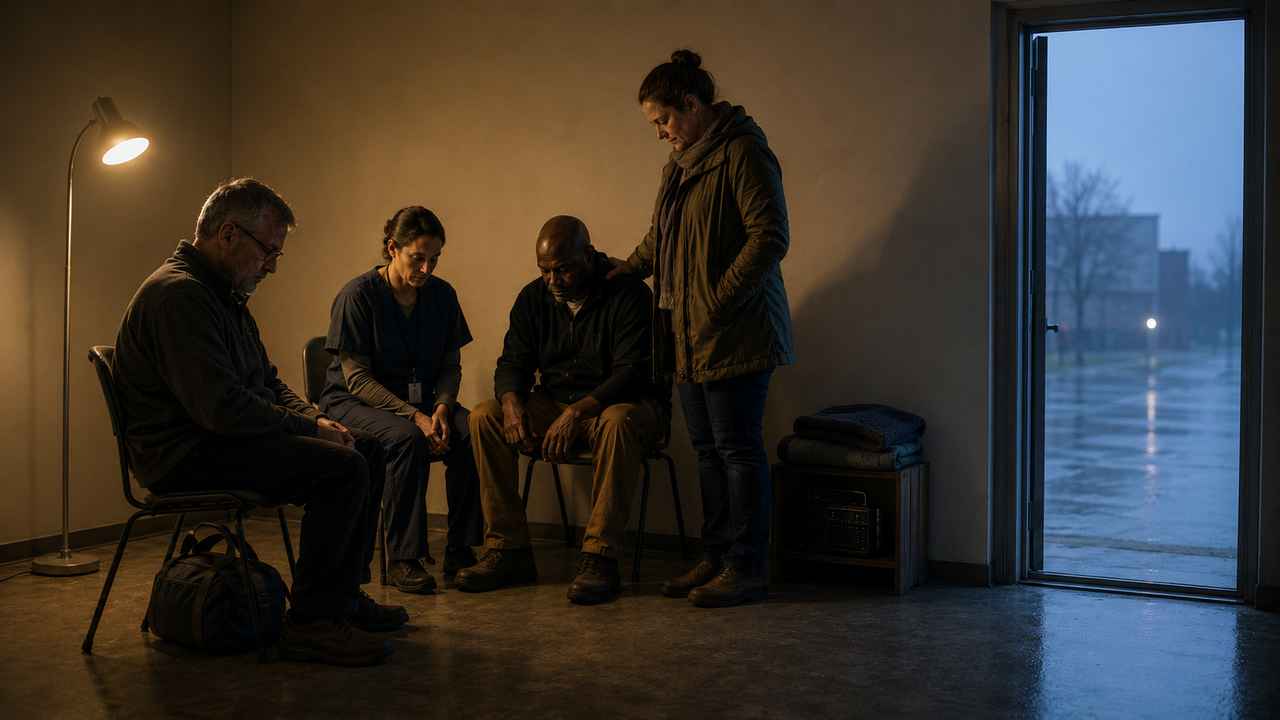
Some countries endure wars, persecution, hunger, and institutional failure that deepen over many years. In others, disaster, disease, or renewed fighting creates a sudden emergency. In July 2026, several countries face several of these dangers at once. Families are displaced or bereaved, churches struggle to worship and serve, public services fail, and relief workers cannot always reach those in need.
This ranking is meant to guide informed prayer, not provoke momentary alarm. It does not suggest that one population’s suffering matters more to God than another’s. It asks a narrower question: Where are war, hunger, displacement, disease, disaster, repression, or state breakdown creating an especially urgent need for focused Christian prayer this month?
Urgent Prayer Ranking Method Note
This ranking was reviewed on July 16, 2026. It began with a broad comparison of countries experiencing active war, humanitarian collapse, famine risk, mass displacement, persecution, state repression, disaster, disease, political upheaval, or several of these conditions.
New July developments included Venezuela’s earthquake disaster, Congo’s expanding Ebola outbreak, renewed fighting in South Sudan, and the intensified military confrontation involving Iran. The continuing crises in Sudan, Gaza, Myanmar, Ukraine, Haiti, and Yemen were also reviewed using current July information rather than assumed to remain in their April positions.
The April 2026 ranking provides an earlier point of comparison. Because it was not the immediately preceding monthly list, the changes below should not be read as a direct June-to-July comparison.
List Burden at a Glance
Several of the highest-ranked countries face multiple severe dangers at once. Sudan combines war, mass displacement, famine danger, and expanding attacks on civilian infrastructure. Despite a ceasefire, civilians in Gaza still face lethal attacks, displacement, destroyed homes, and unstable access to food. Eastern Congo faces armed conflict and an Ebola outbreak that health authorities are struggling to trace and contain. Venezuela’s earthquakes killed thousands and damaged communities whose health care and public services were already weak. Iran faces renewed regional war alongside severe repression and danger for Christian converts.
How to Read This Ranking
This is not a scoreboard of suffering, a political endorsement, or a permanent judgment about which countries are suffering most.
The order reflects a comparative July 2026 assessment of:
- how severe present conditions are;
- whether they have recently intensified;
- how widely they affect families, communities, institutions, and public life;
- how they affect churches, believers, worship, public Christian witness, and mercy ministry;
- how difficult it is to deliver relief or restore basic safety and public services;
- and whether the country’s combined present conditions make it one of the strongest priorities for focused prayer this month.
A lower rank does not necessarily mean that conditions improved. Another country may simply have experienced a more severe or sudden escalation during July.
What Changed Since the Previous Ranking
The April article provides an earlier point of comparison rather than the immediately preceding monthly ranking. The notes below therefore explain only those changes that can be responsibly compared with the April list.
Sudan remains first. Humanitarian need remains immense, and drone attacks have become an even greater threat to civilians and essential infrastructure.
The State of Palestine—especially Gaza—remains second. The ceasefire has not restored safe daily life, adequate reconstruction, or reliable protection from lethal attacks.
The Democratic Republic of the Congo rises from fourth to third. Its existing conflict and displacement crisis is now joined by a rapidly expanding Ebola outbreak.
Venezuela enters at fourth. By July 14, the government had raised the official earthquake death toll to 4,490. A July 11 report recorded 16,740 injuries, thousands of people missing, and a United Nations appeal to assist approximately 1.3 million people.
Iran rises from sixth to fifth. Renewed regional war now compounds longstanding repression and severe risks for Christian converts.
Myanmar falls from third to sixth because several other countries experienced major new emergencies. Conditions in Myanmar have not substantially improved.
South Sudan rises from ninth to seventh. Renewed fighting in Jonglei is occurring alongside severe hunger and famine risk.
Ukraine remains eighth. June brought the highest reported monthly civilian casualty toll since April 2022.
Haiti falls from fifth to ninth because several other countries experienced major new emergencies. Gang violence continues to spread beyond Port-au-Prince into rural and farming communities.
Yemen moves from the April watchlist to tenth. Extreme hunger is now joined by the most serious Saudi–Houthi military escalation in years.
Lebanon moves from seventh to the watchlist. Limited withdrawal negotiations have created a narrow possibility of de-escalation, though displacement, political division, disarmament disputes, and fear of renewed conflict remain.
Syria moves from tenth to the watchlist. The dangers facing Christians and the wider population remain serious, but July did not bring a new nationwide escalation as severe or sudden as the developments affecting the countries placed above it.
What We Mean by an Urgent Prayer Need
In this list, urgency means that present conditions give Christians an especially strong reason to pray with attention and persistence now.
A country qualifies as an urgent prayer need when war, persecution, hunger, displacement, disaster, disease, repression, civil unrest, institutional breakdown, leadership crisis, blocked relief, or several of these conditions create immediate danger and widespread suffering.
The highest-ranked countries usually face several of these conditions at once. They endanger families, spread fear, restrict access to food and medicine, disrupt churches and worship, and make relief or near-term recovery difficult.
Ranking Criteria
Six considerations help explain the order of the countries in this list.
-
Severity of Present Conditions — 25% How grave current conditions are.
-
Recent Escalation — 25% Whether conditions have recently worsened or entered a dangerous new phase.
-
Scale of the Impact — 15% How widely the conditions affect families, communities, institutions, and public life.
-
Effect on Churches and Christian Ministry — 15% How conditions affect churches, believers, worship, discipleship, public Christian witness, and mercy ministry.
-
Barriers to Relief and Near-Term Stability — 10% How difficult it is to deliver relief and restore basic safety and public services.
-
Overall Urgency for Prayer — 10% Whether the country’s combined present burdens make it one of the strongest priorities for focused prayer this month.
Top Ten Countries
The countries below form the July 2026 urgent-prayer ranking.
Sudan
War, famine danger, and expanding attacks from the air
Sudan continues to face national war, mass displacement, famine danger, attacks on civilian infrastructure, and exceptionally high need for food, shelter, medical care, and protection.
Sudan ranks first because war, famine danger, mass displacement, and expanding drone attacks affect much of the country while relief remains severely limited.
Sudan remains first, but conditions have continued to worsen. Drone warfare has become an even greater danger to civilians.
The United Nations human-rights chief reported that drone strikes killed more than 1,000 civilians from January through May 2026. Hospitals, dams, schools, markets, displacement camps, aid workers, and other civilian sites were among the locations struck. Approximately 34 million people—nearly two-thirds of the population—needed assistance, while parts of Darfur and Kordofan remained under famine threat.
Families face repeated displacement, bereavement, hunger, disease risk, and the loss of medical care. Christian communities live within the same insecurity and scarcity, making worship, pastoral care, mercy ministry, and support for displaced people much harder.
Pray for the protection of civilians and safe access to food and medicine. Ask God to sustain Sudanese believers, bring justice for atrocities, and restrain those directing or supplying the fighting.
Sources for this entry: Associated Press, “Drone strikes kill over 1,000 civilians in Sudan in the first 5 months of 2026, UN rights chief says”; Associated Press, “UN food agencies warn acute hunger will worsen in 13 hot spots as famine risks rise”.
State of Palestine—especially Gaza
Continuing deaths, prolonged displacement, destruction, and severe food insecurity despite a ceasefire
Gaza remains marked by widespread destruction, bereavement, unstable food access, displacement, and continuing military strikes.
The ceasefire reduced the heaviest fighting, but civilians still face lethal attacks, displacement, damaged homes, and unreliable access to food and essential services.
The State of Palestine—especially Gaza—remains second. Food conditions improved after the October 2025 ceasefire, but severe food insecurity and military strikes continue.
At least twelve people were killed in strikes reported on July 15, including people at a police station, a tent camp, and residential locations. Israel said some police personnel were Hamas militants and maintained that its strikes answered military activity and ceasefire violations. The United Nations human-rights office raised concerns that police personnel performing ordinary civilian duties had repeatedly been attacked. Associated Press reporting on the joint FAO–WFP assessment said that food-security conditions had improved since the ceasefire, yet approximately 1.6 million people were still acutely food insecure earlier in 2026.
Families continue to live amid grief, destroyed or damaged homes, inadequate shelter, and uncertainty over food and safety. Gaza’s small Christian community is caring for needs far greater than its numbers as believers live and serve among a deeply traumatized population.
Pray for the protection of civilians, sufficient food and medical care, and comfort for bereaved families. Pray for restraint by armed actors, justice without vengeance, and for Christians to serve their neighbors, comfort the grieving, and speak truthfully of Christ amid fear and grief.
Sources for this entry: Associated Press, “Israel’s latest strikes kill a dozen people in Gaza, including police officers”; Associated Press, “UN food agencies warn acute hunger will worsen in 13 hot spots as famine risks rise”.
Democratic Republic of the Congo
Armed conflict and displacement compounded by a fast-growing Ebola outbreak
Eastern Congo faces armed conflict, displacement, damaged health services, attacks on medical facilities, and a rapidly spreading Ebola outbreak.
The Ebola emergency is unfolding in regions where conflict and population movement already make medical access, contact tracing, community trust, and protection of health workers exceptionally difficult.
Congo rises from fourth to third because its existing conflict and displacement crisis is now joined by an Ebola outbreak spreading through unknown transmission chains and proving difficult to contain.
By July 15, Congo had recorded 2,011 confirmed Ebola cases and 754 deaths. More than 100 health workers had been infected, at least 80% of new infections were appearing through unknown transmission chains, and only about two-thirds of identified contacts had been traced. Conflict, displacement, attacks on health centers, funding shortages, mistrust, and unpaid frontline workers were hindering the response.
Families in affected areas face fear of both armed violence and contagion. Travel, treatment, burial practices, community gatherings, pastoral care, and relief work become harder when health systems are strained and communities are repeatedly uprooted.
Pray for containment of Ebola and protection for health workers and vulnerable communities. Ask God to bring peace in eastern Congo and give churches wisdom as they respond to violence, fear, illness, and misinformation.
Sources for this entry: Associated Press, “Confirmed Ebola cases top 2,000 in Congo, including 754 deaths”; Associated Press, “UN food agencies warn acute hunger will worsen in 13 hot spots as famine risks rise”.
Venezuela
Thousands killed as earthquake destruction strains shelter, health care, and already weakened public services
Venezuela’s June earthquakes created one of the most sudden and deadly emergencies included in this month’s ranking, striking a country whose health care and public services were already weakened.
Although the worst destruction was concentrated in particular areas, the earthquakes caused extraordinary loss of life, thousands of injuries, homelessness, damaged infrastructure, disease risk, and urgent needs affecting approximately 1.3 million people. These conditions place Venezuela high in the July ranking.
Venezuela enters at fourth after the June earthquakes killed thousands, injured many more, and created urgent shelter and health-care needs. It was not in the April Top Ten or its five-country watchlist.
The government raised the official death toll to 4,490 by July 14, with many people still missing. On July 11, officials had reported 16,740 injuries, while the United Nations appealed for nearly $300 million to assist approximately 1.3 million affected people. Separate reporting described homelessness, crowded displacement settings, diarrheal disease, skin conditions, interrupted treatment for chronic illnesses, and severe strain on health workers and facilities.
Survivors face bereavement, destroyed homes, interrupted medical care, and fear that damaged buildings may collapse. Churches, Christian ministries, health workers, and local communities are sheltering families, distributing help, comforting grieving people, and supporting long-term recovery.
Pray for those who have lost relatives, homes, health, or livelihoods. Ask God to protect survivors from disease and further building collapses, guide rescuers and medical workers, and help churches distribute aid fairly and comfort grieving families with the hope of Christ.
Sources for this entry: The Guardian, “‘God is punishing the politicians’: anger at earthquake response grows in Venezuela”; The Guardian, “Venezuela quake death toll passes 4,300 as scale of recovery effort looms large”; Associated Press, “Chronic illness and diarrhea surge in quake-hit Venezuelan communities as humanitarian crisis builds”.
Iran
Renewed regional war alongside internal repression and danger for Christian converts
Iran combines active military confrontation, danger to neighboring countries, severe state repression, and longstanding hostility toward Christian converts and house churches.
Iran ranks fifth because civilians face the danger of regional war while Christian converts and other religious minorities continue to face surveillance, arrest, imprisonment, and heightened suspicion.
Iran rises from sixth to fifth. Venezuela’s earthquake disaster places it above Iran, but Iran itself moves higher because military confrontation has intensified since April.
United States forces intensified strikes, reinstated a naval blockade, and disabled a vessel they said was attempting to break it. Iran launched missiles and drones toward Bahrain and Kuwait and threatened wider disruption of regional energy exports. Iranian officials reported deaths and injuries from American strikes, while the two governments presented competing military and negotiating claims.
Open Doors reports continuing raids on house churches, surveillance, interrogation, imprisonment, and accusations that converts serve foreign powers. It says at least 54 Christians were arrested in 21 cities after an earlier ceasefire and publicly associated with espionage.
Pray for the protection of civilians and restraint in the regional conflict. Pray for prisoners of conscience, underground churches, and families affected by war or arrest. Ask God to lead rulers and military leaders to protect civilian life, speak truthfully, and pursue a just peace.
Sources for this entry: Associated Press, “US airstrikes hit northern Iran as it disables ship trying to run the blockade”; Open Doors, Iran 2026 country profile.
Myanmar
Civil war, repeated displacement, obstructed relief, and attacks on health care
Myanmar continues to face widespread armed conflict, displacement, limited humanitarian access, damaged health care, and disease risk.
Armed conflict, displacement, and damaged health services affect several regions. Myanmar ranks below Venezuela and Iran because those countries experienced major new emergencies in July; conditions in Myanmar have not substantially improved.
Myanmar falls from third to sixth. The change reflects major new emergencies elsewhere, not substantial improvement in Myanmar.
OCHA reported that more than 16 million people needed assistance and nearly 3.8 million were displaced. Recent hostilities in Magway alone displaced more than 100,000 people, while access restrictions continued and only 43% of required humanitarian funding had been received. The WHO Health Cluster reported thirteen attacks on health care during June. Its figure of 1,939 attacks covers the cumulative period from February 2021 through May 24, 2026 and should not be mistaken for June incidents alone.
Conflict disrupts travel, treatment, schooling, worship, discipleship, and relief work. Churches and Christian communities in affected regions must care for displaced people while facing insecurity, damaged services, and limited access to medicine.
Pray for protection from airstrikes and armed violence, safe humanitarian access, and care for displaced families. Pray for detained people, health workers, and churches serving displaced families amid armed conflict and damaged public services.
Sources for this entry: OCHA, Myanmar Humanitarian Update No. 52; WHO Health Cluster, Myanmar Health Cluster Bulletin June 2026.
South Sudan
Renewed fighting threatens the 2018 peace agreement while famine risk grows
South Sudan again faces political conflict, armed violence, severe hunger, and the danger of wider civilian harm.
Renewed fighting and famine risk place civilians in immediate danger and threaten the 2018 peace agreement.
South Sudan rises from ninth to seventh because renewed fighting in Jonglei is occurring alongside severe hunger and famine risk.
Fighting intensified in Akobo, a government-appointed commissioner was killed, and the commission responsible for monitoring the peace agreement warned that renewed violence threatened both civilians and the 2018 settlement. The government and opposition gave differing accounts of the fighting and political appointments. Associated Press reported that the joint FAO–WFP assessment placed South Sudan among the hunger emergencies of greatest concern and warned of famine risk in Jonglei and Upper Nile.
Families face renewed displacement, hunger, disrupted markets, and fear that political conflict may widen. Churches and Christian communities shelter, feed, counsel, and pray with people while sharing the same instability.
Pray for civilian protection, respect for the peace agreement, and safe delivery of food and medicine. Ask God to restrain political and military leaders, sustain churches, and preserve the country from renewed nationwide war and famine.
Sources for this entry: Associated Press, “Violence escalates in South Sudan as a government commissioner is killed”; Associated Press, “UN food agencies warn acute hunger will worsen in 13 hot spots as famine risks rise”.
Ukraine
An ongoing national war with a sharply increased civilian toll
Ukraine remains an active national war marked by missile and drone attacks, civilian deaths, damaged infrastructure, displacement, air-defense shortages, and prolonged grief.
Both countries face severe but different dangers. South Sudan ranks slightly higher because renewed fighting there is combined with immediate famine risk.
Ukraine remains eighth because the war continues nationwide and June brought the highest reported monthly civilian casualty toll since April 2022.
Secondary reporting on findings from the United Nations Human Rights Monitoring Mission said at least 293 civilians were killed and 1,990 injured in June, the highest monthly toll since April 2022. On July 14, Russian missiles and drones struck Kyiv, damaging warehouses and a school, while Ukraine continued to face shortages in the Patriot ammunition used against ballistic missiles.
Families continue to endure bereavement, displacement, damaged homes, interrupted schooling, military separation, and repeated alarms. Churches care for wounded people, displaced families, soldiers’ relatives, and communities living with the effects of years of war.
Pray for the protection of civilians, comfort for bereaved families, and care for the wounded and displaced. Pray for integrity among leaders, endurance among churches and chaplains, and a just peace that does not merely postpone further violence.
Sources for this entry: Times of India, “Russian strikes killed nearly 300 Ukrainian civilians in June; deadliest month since 2022”; Associated Press, “Ukraine downs 5 Russian ballistic missiles as Kyiv looks to boost its air defenses”.
Haiti
Gang violence spreads beyond the capital amid displacement, hunger, and weak state protection
Haiti continues to face gang violence, mass displacement, food insecurity, institutional weakness, damaged services, and widespread fear.
Haiti remains one of the most serious cases of national instability in the Western Hemisphere. It is placed below Ukraine because the war there currently has a broader national military reach, but gang violence, displacement, hunger, and weak state protection remain exceptionally severe in Haiti.
Haiti falls from fifth to ninth because several countries experienced major new emergencies. Gang violence, displacement, and hunger in Haiti have not meaningfully improved.
An investigation of the Jean-Denis massacre found that at least seventy civilians were killed and thousands were forced to flee. Criminal groups were reported active in five of Haiti’s ten departments, while approximately 1.4 million people were displaced nationally. The investigation also documented the burning of homes, churches, and schools and the spread of gang violence into farming and rural communities.
Armed groups disrupt safe movement, schooling, food production, worship, trade, and ordinary family life. Churches and ministries serve communities where travel is dangerous and state protection remains weak.
Pray for protection from gang violence, provision for displaced families, and courage for pastors and congregations. Pray for justice without cycles of revenge, restored public order, and trustworthy leadership capable of protecting ordinary people.
Sources for this entry: The Guardian, “‘It was a massacre’: Haiti gangs carry out mass killings across the country”; Associated Press, “UN food agencies warn acute hunger will worsen in 13 hot spots as famine risks rise”.
Yemen
Extreme hunger, weakened public services, and renewed Saudi–Houthi military escalation
Yemen combines severe hunger, divided authority, long-running conflict, and renewed direct escalation between the Houthis and Saudi Arabia.
Yemen enters at tenth because one of the world’s gravest hunger emergencies is now joined by the most serious Saudi–Houthi confrontation in years, increasing the danger to airports, food imports, aid routes, and negotiations.
Yemen enters the Top Ten after appearing on the April watchlist because renewed Saudi–Houthi attacks now compound one of the world’s gravest hunger emergencies.
Houthi forces launched missiles and drones at Saudi Arabia’s Abha airport after strikes on Sanaa airport that they attributed to Saudi Arabia. No casualties were reported in that exchange. Yemen’s internationally recognized government said the runway strike sought to stop an Iranian aircraft from landing, while United Nations officials warned against a broader cycle of escalation. Associated Press reported that the joint FAO–WFP assessment identified Yemen as having the largest population facing Emergency or Catastrophe levels of food insecurity.
Renewed war could further disrupt food, fuel, airports, aid delivery, and medical care. Open Doors reports that indigenous Christian converts usually worship secretly and may face arrest, surveillance, torture, family separation, or death if their faith becomes known.
Pray that renewed attacks will not reopen full-scale war and that food and medicine will reach those in greatest need. Pray for renewed negotiations, protection for religious minorities, and courage and fellowship for hidden believers.
Sources for this entry: Associated Press, “Yemen’s Houthis strike Saudi Arabia’s Abha airport with missiles and drones in a sharp escalation”; Associated Press, “UN food agencies warn acute hunger will worsen in 13 hot spots as famine risks rise”; Open Doors, Yemen 2026 country profile.
Near-Miss / Watchlist Countries
These five countries also face severe hunger, violence, repression, or instability and came close to inclusion in the Top Ten.
Somalia — Somalia is the closest exclusion. FAO and WFP newly placed Somalia among the countries of highest concern for hunger, with famine risk in Burhakaba. Open Doors also describes an environment in which Christian converts worship secretly and face clan pressure, surveillance, militant violence, and little meaningful legal protection. Yemen ranks slightly higher because a comparably grave hunger emergency is now joined by a renewed military escalation that threatens wider national and regional stability.
Afghanistan — Afghanistan remains marked by hunger, severe restrictions on women and girls, intolerance of dissent, and extreme danger for Christian converts. The United Nations called for reversal of the crackdown after women were arrested in Herat and a protest was violently dispersed. Taliban officials defended their policies through their interpretation of Sharia, while one ministry disputed reports of arrests. Afghanistan remains outside the Top Ten because its severe restrictions, hunger, and persecution are longstanding, while several countries above it experienced major new emergencies in July.
Nigeria — Nigeria was newly added to the highest-concern hunger group, with famine risk in parts of Borno. Violence also continued in Benue, where gunmen killed at least eight people after a funeral in July. Nigeria remains outside because the most severe hunger and violence are concentrated in particular regions rather than affecting the country as widely as several Top Ten cases.
Syria — Christians in Syria continue to face violence, insecurity, discrimination, and marginalization, while the wider population still faces severe humanitarian need. Open Doors documents these dangers to Christian communities. Syria moves from April’s tenth position to the watchlist because mid-July developments did not show a new nationwide escalation comparable to Venezuela’s earthquakes, Congo’s Ebola outbreak, South Sudan’s renewed fighting and famine risk, or Yemen’s combined hunger and military escalation.
Lebanon — Lebanon remains burdened by displacement, destroyed communities, political division, and the danger of renewed conflict. It stays outside the Top Ten because negotiations produced a limited plan to test withdrawals in specific areas. The possibility of de-escalation remains uncertain: Hezbollah rejects disarmament, Israel has signaled an extended presence, and unresolved disputes continue to deepen political division and fears of internal conflict.
The Overall Prayer Burden
The ranking reflects the scale of suffering, recent worsening, danger to civilians and churches, and difficulty of delivering relief.
Sudan and the State of Palestine—especially Gaza—remain first and second because civilian danger, displacement, hunger, and damage to essential services remain severe and exceptionally difficult to relieve.
The Democratic Republic of the Congo, Venezuela, and Iran follow for different reasons. Congo’s armed conflict is now joined by a dangerous Ebola outbreak. Venezuela has suffered an exceptionally deadly disaster within already weakened public systems. Iran faces renewed regional war while repression and danger for Christian converts continue.
Myanmar, South Sudan, Ukraine, Haiti, and Yemen also face severe but different combinations of war, hunger, displacement, gang violence, damaged services, and political instability. Relatively narrow differences separate their positions.
Somalia, Afghanistan, Nigeria, Syria, and Lebanon remain serious enough that further conflict, failed negotiations, worsening hunger, or deeper repression could quickly change the ranking.
How to Pray Through This List
Pray for people in immediate danger, churches serving amid war and repression, leaders whose decisions affect civilian life, and those delivering food, medicine, and shelter.
-
Pray first for people in immediate danger: civilians under attack, displaced families, hungry children, prisoners, refugees, health workers, aid workers, and those cut off from treatment.
-
Pray for churches and believers living within these crises. They are not outside observers. Many share the same hunger, grief, displacement, surveillance, disease risk, and violence as their neighbors.
-
Pray for those who hold power. Ask God to restrain cruelty, expose falsehood, overturn plans that target civilians, and bring leaders toward justice, mercy, repentance, and negotiated peace.
-
Pray for practical relief: open roads, functioning hospitals, fair distribution of food, protected aid workers, safe shelter, clean water, effective disease control, and support for local churches and community networks.
-
Pray with hope rather than despair. None of these crises lies outside the Lord’s rule. Ask Him to preserve His church, sustain those who are weak or afraid, restrain evildoers, and enable believers to speak truthfully of Christ, serve suffering neighbors with compassion, and remain courageous under threat.
Key Sources Consulted
The ranking draws on the following current public sources.
- Associated Press, “Drone strikes kill over 1,000 civilians in Sudan in the first 5 months of 2026, UN rights chief says”. Provides information about Sudan’s drone warfare, civilian deaths, damaged infrastructure, and humanitarian need.
- Associated Press, “UN food agencies warn acute hunger will worsen in 13 hot spots as famine risks rise”. Reports on the joint FAO–WFP hunger comparison across Sudan, Gaza, Congo, South Sudan, Haiti, Yemen, Somalia, Afghanistan, and Nigeria.
- Associated Press, “Israel’s latest strikes kill a dozen people in Gaza, including police officers”. Provides information about recent Gaza casualties and the differing Israeli and United Nations assessments.
- Associated Press, “Confirmed Ebola cases top 2,000 in Congo, including 754 deaths”. Provides information about Congo’s Ebola figures and the obstacles facing the response.
- The Guardian, “‘God is punishing the politicians’: anger at earthquake response grows in Venezuela”. Provides information about Venezuela’s revised official death toll of 4,490.
- The Guardian, “Venezuela quake death toll passes 4,300 as scale of recovery effort looms large”. Provides information about the 16,740 injuries reported on July 11, missing people, affected population, and United Nations relief appeal.
- Associated Press, “Chronic illness and diarrhea surge in quake-hit Venezuelan communities as humanitarian crisis builds”. Provides information about homelessness, crowded shelters, illness, interrupted treatment, and strain on health services.
- Associated Press, “US airstrikes hit northern Iran as it disables ship trying to run the blockade”. Provides information about the July United States–Iran confrontation and the positions of both governments.
- Open Doors, Iran 2026 country profile. Provides information about pressure on Christian converts, house-church raids, arrests, and accusations of espionage.
- OCHA, Myanmar Humanitarian Update No. 52. Provides information about displacement, humanitarian need, access restrictions, and funding levels.
- WHO Health Cluster, Myanmar Health Cluster Bulletin June 2026. Provides information about June attacks on health care and the clearly dated cumulative attack total.
- Associated Press, “Violence escalates in South Sudan as a government commissioner is killed”. Provides information about the July fighting, competing political accounts, and threats to civilians and the peace agreement.
- Times of India, “Russian strikes killed nearly 300 Ukrainian civilians in June; deadliest month since 2022”. Provides secondary reporting on United Nations monitoring findings.
- Associated Press, “Ukraine downs 5 Russian ballistic missiles as Kyiv looks to boost its air defenses”. Provides information about the July 14 attack and Ukraine’s air-defense needs.
- The Guardian, “‘It was a massacre’: Haiti gangs carry out mass killings across the country”. Provides information about the Jean-Denis massacre, displacement, burned buildings, and the spread of gang violence.
- Associated Press, “Yemen’s Houthis strike Saudi Arabia’s Abha airport with missiles and drones in a sharp escalation”. Provides information about the July escalation and the differing official accounts.
- Open Doors, Yemen 2026 country profile. Provides information about the conditions facing indigenous Christian converts.
- Open Doors, Somalia 2026 country profile. Provides information about the conditions facing secret Christian believers.
- Associated Press, “UN calls on Afghanistan’s Taliban rulers to reverse crackdown on women”. Provides information about arrests, protest suppression, the United Nations response, and Taliban positions.
- Open Doors, Afghanistan 2026 country profile. Provides information about the extreme danger facing Christian converts.
- Associated Press, “Gunmen open fire after a funeral in Nigeria, killing 8”. Provides a recent example of regional violence in Benue.
- Open Doors, Syria 2026 country profile. Provides information about Christian insecurity, targeted violence, discrimination, and marginalization.
- Associated Press, “Lebanon and Israel move toward implementing withdrawal agreement, US officials say”. Provides information about the withdrawal negotiations, Israeli position, and Hezbollah’s rejection of disarmament.
- Associated Press, “How a push to disarm Hezbollah is deepening divisions in Lebanon and raising fears of civil war”. Provides information about Lebanon’s political divisions, displacement, and fear of renewed internal conflict.
Continue praying
Continue praying for the nations
Use this list as one doorway into a wider rhythm of prayer for the nations.


