


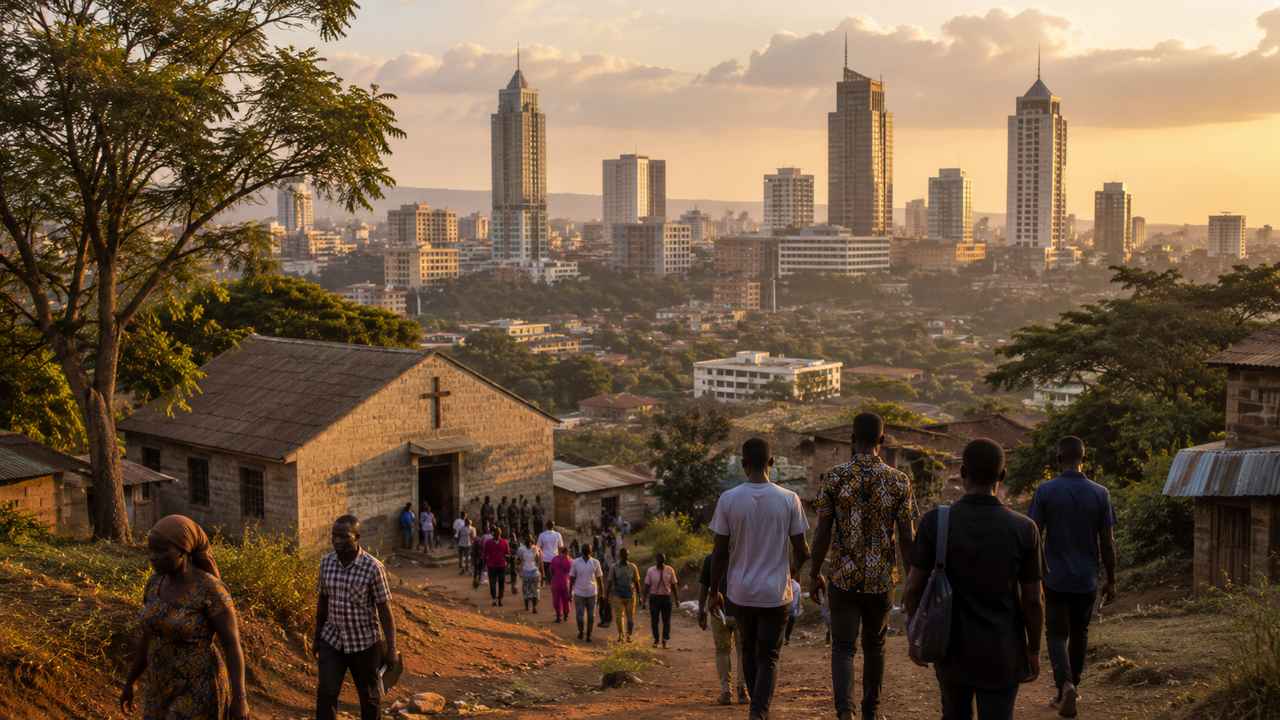
Kenya has many open churches, familiar Christian language in public life, and legal protection for religious freedom. Yet those mercies do not remove the country’s deeper prayer needs. Kenya needs prayer for churches that preach and live the gospel faithfully, for leaders who protect life and pursue justice, for young people facing anger, unemployment, political manipulation, and fear, and for communities strained by economic hardship, public mistrust, and regional insecurity.
Kenya should not be treated as a nationwide anti-Christian persecution country. A more accurate way to pray for Kenya is to recognize both the country’s broad religious freedom and the serious burdens affecting public trust, regional security, economic life, and church witness. Churches have public space, but they also need grace to call people beyond public religious identity to repentance, trust in Christ, faithful discipleship, and obedience in daily life.
Prayer Burden at a Glance
Pray for Kenya’s churches and believers to follow Christ faithfully where Christian faith is widely visible, while many people face anger over injustice, fear of abuses of power, heavy household costs, political intimidation, and danger in regions affected by al-Shabaab insecurity.
Last verified: June 2026
Why Kenya Needs Prayer Now
Kenya’s churches have public space, but the country still needs prayer for truth, justice, mercy, protection, and faithful discipleship under Christ.
Kenya needs prayer not because Christianity is absent from public life, but because visible religion does not automatically produce repentance, justice, protected citizens, faithful discipleship, or wise leadership. Churches are numerous, Christian identity is familiar, and the constitution protects freedom of conscience and religion. These are real mercies, but they also make the church’s public witness especially important.
In recent years, Kenya has faced serious public anger over taxes, corruption concerns, police conduct, youth frustration, and the use of state power. Human Rights Watch has reported crackdowns on peaceful protesters, alleged abductions, forced disappearances, torture, threats to activists and media, and limited accountability. These are not only political issues. They affect families searching for sons and daughters, churches trying to shepherd anxious members, young people tempted toward despair or rage, and leaders who must answer to God for how they handle power.
Kenya also needs prayer because church leaders have publicly warned about killings, abductions, political insults, the misuse of young people, and the need for justice, protection of life, and ethical leadership. In April 2026, Kenya’s Catholic bishops called for renewal, justice, protection of life, ethical leadership, accountability, and social justice. They raised concern over unexplained killings, unresolved abductions, political insults, intolerance, the use of young people in disruptive activities, and the normalization of “goonism.” Their warning gives the church a serious prayer concern: that Christian public witness would not be used to bless political ambition, but would call people truthfully to repentance, human dignity, justice, and mercy.
At the same time, communities near Somalia and along parts of the coast face real danger from al-Shabaab activity. Al-Shabaab continues to threaten communities, especially in counties such as Mandera and Lamu. This regional insecurity does not define the whole country, but it does shape the lives of people in exposed areas and should move Christians to pray for protection, courage, wisdom, and peace.
Kenya needs prayer now because Christianity is publicly visible, yet churches must live faithfully amid injustice, economic hardship, political intimidation, and regional insecurity.
Country Snapshot
Kenya is an influential East African country where religious freedom is legally protected and churches have wide public presence.
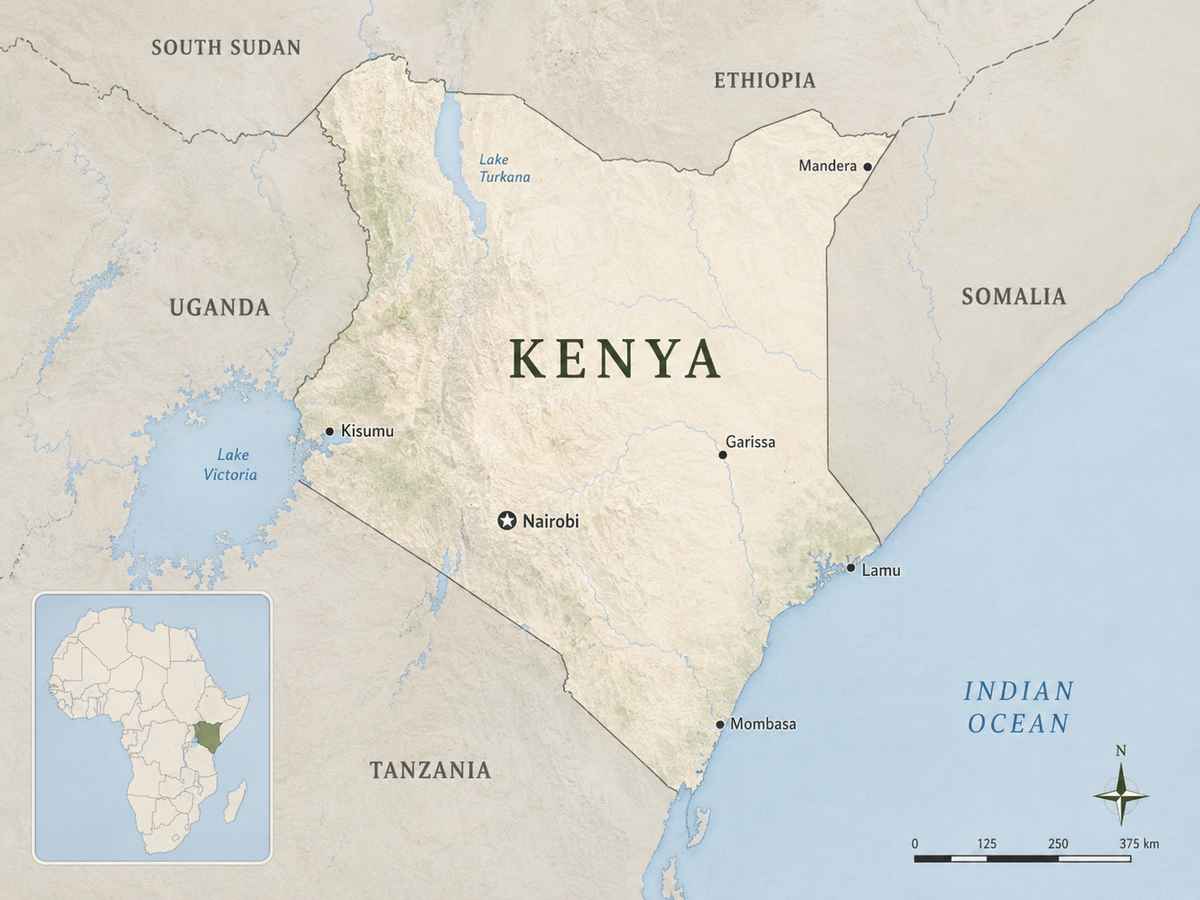
Kenya is an East African country with more than 56 million people. Nairobi is the capital and one of Africa’s major cities. Kiswahili and English are official languages, and Kenya’s location, economy, universities, media, churches, and transport links give it regional influence beyond its borders.
Kenya has a large Christian majority and a significant Muslim minority, especially in parts of the coast and the northeast. Religious-composition figures can vary because sources sometimes group religious identity in different ways. The broad picture is clear enough for prayer: Christianity is highly visible in national life, and Islam is also a significant presence in several regions and communities.
Kenya’s constitution states that there shall be no state religion and protects freedom of conscience, religion, belief, and opinion. This matters for prayer because many believers can gather openly, teach, worship, serve, and witness in ways that are not possible in many more restrictive countries.
At the same time, legal freedom does not remove Kenya’s deeper burdens. Many households face economic pressure. Public trust has been damaged by corruption concerns, protest-related abuses, and fear of misconduct by police or security forces. In some regions, militant violence and cross-border insecurity make ordinary life more dangerous. In that setting, Kenyan churches need courage, clarity, humility, and endurance.
Spiritual and Practical Challenges Affecting Christians and Churches
Kenya’s churches face the challenge of bearing faithful witness where public Christianity is familiar, but justice, mercy, courage, and discernment are urgently needed.
Public Christianity and discipleship
Kenya’s churches must resist the danger of treating public Christianity as the same thing as living discipleship. Christian language, worship services, church institutions, and public religious identity are familiar in Kenya. But the church’s calling is deeper than being respected or visible. Churches must preach Christ clearly, call people to repentance and faith, disciple believers patiently, and resist the temptation to let Christianity become only a cultural identity or political decoration.
Public trust damaged by abuse allegations
Public anger and damaged trust also affect church life and pastoral care. When families hear reports of killings, disappearances, arbitrary arrests, or torture, trust in institutions weakens. When young people feel unheard, used, or threatened, bitterness can grow. Churches must shepherd people through this without excusing injustice, inflaming hatred, or turning the pulpit into a party platform.
Political intimidation and youth exploitation
Political intimidation and the misuse of young people create another serious discipleship concern. Public reports and church statements have warned about political violence, insulting public speech, and the use of young people in disruptive activity. This creates a serious discipleship burden. Young believers need to be formed by Scripture, not by anger, paid mobilization, tribal loyalty, or online outrage.
Regional insecurity
In exposed regions, insecurity affects churches, families, schools, health workers, and other civilians. Christians and other civilians in counties affected by al-Shabaab activity may face fear, disruption, and danger. Pastors, teachers, health workers, and families in those areas need protection and wisdom. Believers elsewhere in Kenya also need compassion for communities whose burdens may be far from Nairobi’s public conversation.
False teaching and abusive religious leadership
Kenya’s churches also need discernment where false teaching, spiritual exploitation, or abusive religious leadership harms vulnerable people. Kenya’s churches must continue to show the difference between faithful gospel ministry and manipulative or abusive religious leadership. Where false teaching, spiritual exploitation, or irresponsible religious movements harm vulnerable people, faithful churches need courage to teach Scripture clearly, protect the weak, and model humble accountability.
Christian Life and Witness in Kenya
Many Kenyan believers worship openly, serve their neighbors, and bear public witness, yet ordinary faithfulness still requires courage and wisdom.
Many Kenyan Christians worship openly, gather freely, evangelize, serve through churches, run schools and hospitals, care for the poor, and take part in public life. These are real mercies. The country’s legal framework gives many believers space to live out their faith visibly.
But open worship does not make Christian witness easy. In daily life, faithfulness may mean refusing corruption when bribery seems normal, speaking truth when public language becomes cruel, discipling young people who feel angry or hopeless, comforting families affected by violence, and serving neighbors when institutions fail them.
Kenyan pastors and church leaders need particular prayer. Some must address public injustice without becoming partisan. Some must shepherd congregations that include people from divided political communities. Some serve in poor or insecure regions with limited resources. Some lead churches where people expect religious language to bless their ambitions rather than confront their sin.
Christian witness in Kenya is not mainly a call to survive hidden persecution. It is a call to live openly under Christ’s lordship where churches have public space, but the nation still needs truth, mercy, justice, humility, and courage in ordinary life.
Recent Developments
These recent developments help readers pray for truth, justice, young people, church witness, and communities affected by insecurity.
-
2026
Human-rights reporting highlights protest crackdowns and accountability concerns
Human Rights Watch’s 2026 reporting described Kenya’s human-rights situation as worrying, citing continued crackdowns on peaceful protesters, reported abductions, torture, forced disappearances, threats against media and activists, and limited accountability for many abuses.
Prayer significance: Pray for justice, restraint, truth, and protection of life.
-
April 2026
Kenya’s Catholic bishops call for renewal, justice, and protection of life
In April 2026, Kenya’s Catholic bishops issued a public message calling for renewal, justice, and protection of life. They warned about unexplained killings, unresolved abductions, poor public discourse, political insults, intolerance, the use of young people in disruptive activities, and the normalization of “goonism.” They also raised concern over delayed government payments to faith-based hospitals and encouraged civic responsibility ahead of the 2027 elections.
Prayer significance: Pray for church leaders to speak with courage, humility, and wisdom in public life.
-
May 2026
Political-violence concerns grow ahead of the 2027 election season
In May 2026, public reporting described “goonism” as a major term in Kenyan political discourse, with religious and political leaders warning that politically connected violence could threaten public life ahead of the next election season. Because some accusations are contested, readers should not treat every claim as settled. Even so, the broader prayer concern is clear: Kenya needs prayer for peaceable public life and for young people not to be exploited by political actors.
Prayer significance: Pray for young people to be protected from manipulation, violence, and despair.
-
June 2026
Government announces compensation for victims of protest-related abuses
In June 2026, President William Ruto announced compensation for nearly 2,000 victims of protest-related human-rights abuses. Public reporting described the reparations process as a rare national effort outside the courts. The government framed the payments as a state acknowledgment that harm occurred, while also saying they were not an admission of guilt or a reward for violence.
Prayer significance: Pray for truth, healing, accountability, and justice that goes beyond public announcements.
-
Ongoing
Al-Shabaab insecurity affects exposed communities
Regional insecurity remains a concern. A U.N.-based report described al-Shabaab as a serious threat to Somalia and the surrounding region, especially Kenya, with attacks in Kenya including IEDs, kidnappings, home raids, infrastructure attacks, and livestock theft, mainly in Mandera and Lamu counties.
Prayer significance: Pray for border communities, security personnel who act justly, churches serving in exposed areas, and the restraint of militant violence.
How to Pray
Use these prayer points to ask God for faithful churches, protected communities, honest justice, and Christ-centered hope in Kenya.
-
Pray for visible Christianity in Kenya to produce repentance, obedience, and faithful discipleship. Ask God to make Kenya’s churches rooted in Scripture, centered on Christ, faithful in discipleship, and marked by repentance, holiness, mercy, truth, and obedience. Pray that Christian identity would not remain only public language, church attendance, or political symbolism, but would be seen in repentance, holiness, mercy, truth, and obedience to Christ.
-
Pray for justice, truth, and accountability. Pray for families affected by protest-related killings, disappearances, torture, arbitrary arrests, and other alleged abuses. Ask God to bring truth into the open, restrain impunity, and raise leaders who protect life rather than treat citizens as obstacles.
-
Pray for Kenyan young people. Pray for Kenyan young people who feel unheard, unemployed, angry, or used by political actors. Ask the Lord to protect them from despair, violence, manipulation, and bitterness. Pray that many would be drawn into churches and homes where they are discipled in wisdom, self-control, honest work, courage, and hope in Christ.
-
Pray for pastors and church leaders. Ask God to give Kenya’s church leaders courage without pride, clarity without partisanship, compassion without compromise, and wisdom to speak into public life without becoming servants of political camps. Pray that churches would be places of truth, prayer, reconciliation, honest repentance, and mercy toward wounded people.
-
Pray for communities facing al-Shabaab insecurity. Pray especially for Mandera, Lamu, Garissa, and other exposed areas. Ask God to protect civilians, churches, schools, health workers, security personnel, and families. Pray for militant violence to be restrained and for communities to resist fear, revenge, and division.
-
Pray for mercy amid economic strain. Pray for households facing poverty, high costs, unstable work, debt, and daily financial burdens. Ask God to strengthen churches, Christian schools, faith-based hospitals, and mercy ministries serving people in need. Pray that public resources would be handled honestly and that the poor would not be forgotten.
-
Pray for discernment and faithful shepherding. Ask the Lord to protect people from false teaching, religious manipulation, abusive spiritual authority, and empty religious performance. Pray for churches that teach Scripture clearly, care for the vulnerable, and point people to Christ rather than to fear, money, personality, or power.
Give Thanks
Give thanks for the real mercies God has given Kenya, even as the country’s needs remain serious.
-
Give thanks for constitutional religious freedom. Kenya’s legal protection for freedom of conscience, religion, belief, worship, and teaching is a real mercy. Give thanks that many churches can gather, preach, serve, and witness openly.
-
Give thanks for churches serving openly across Kenya. Give thanks for congregations, pastors, schools, hospitals, evangelists, prayer groups, and ordinary believers who worship Christ, teach Scripture, care for the vulnerable, and serve their neighbors across the country.
-
Give thanks for church leaders willing to speak publicly. Give thanks that church voices have called for justice, protection of life, ethical leadership, and concern for young people, even when public life is tense.
-
Give thanks for public recognition of harm. Give thanks where victims of protest-related abuses are being publicly recognized, and pray that this would lead to fuller truth, real justice, and rebuilt public trust.
-
Give thanks for believers serving in poor, tense, and insecure communities. Give thanks for Christians who continue to worship, teach, heal, reconcile, and show mercy in poor communities, politically tense settings, and insecure regions.
Last Verified / Update Note
This review note explains what was checked and which developments may affect future updates to this guide.
Review Status
Reviewed for current prayer use
This guide reviewed Kenya’s constitutional religious-freedom framework, current country data, recent civic unrest and protest-related abuse concerns, the government’s June 2026 reparations announcement, the April 2026 public message from Kenya’s Catholic bishops, regional al-Shabaab insecurity, and public political tension ahead of the 2027 election season.
The main prayer burdens are faithful Christian witness in a country where churches have public space, justice and accountability for alleged abuses, protection for young people, wisdom for church leaders, security in exposed counties, mercy for households under financial strain, and discernment against manipulative or abusive religion.
Watch for changes in protest-related accountability, the implementation and credibility of compensation for victims, new reports of disappearances or police abuses, political violence ahead of the 2027 election season, al-Shabaab activity in Mandera and Lamu, and any major religious-regulation developments following concerns about abusive religious movements.
Some claims in Kenya’s public-life and security context are contested, especially where allegations of abuse, political violence, or security action are involved. Readers should note the attribution carefully. Religious-composition figures can also vary by source, so this guide uses broad wording unless figures are drawn from a direct census, State Department report, or similarly authoritative demographic source.
Key Sources Consulted
These sources shaped the guide’s legal background, country context, recent developments, church-related public statements, and regional-security notes.
Official, legal, and country-data sources
-
Kenya Law — Constitution of Kenya. Used for Kenya’s legal framework on state religion, freedom of conscience, freedom of religion, worship, practice, teaching, and observance.
-
World Bank Data — Kenya. Used for basic country snapshot data, including population and selected economic and social indicators.
-
The Official Website of the President of the Republic of Kenya. Used to understand the government’s public statement on compensation for victims of protest-related rights abuses.
Human-rights and civic-accountability sources
-
Human Rights Watch — World Report 2026: Kenya. Used for current reporting on protest crackdowns, alleged abductions, forced disappearances, torture, media pressure, activist intimidation, and accountability concerns.
-
Associated Press — Kenya to pay compensation to almost 2,000 victims of violent protests. Used for June 2026 reporting on the national reparations process, the number of victims expected to receive compensation, and the government’s framing of the payments.
Church public-witness sources
-
Vatican News — Kenya’s Catholic Bishops call for renewal, justice, and protection of life. Used for the April 2026 bishops’ message on protection of life, public discourse, political violence, young people, accountability, faith-based hospitals, and civic responsibility.
-
Associated Press — “Goonism” is on the rise in Kenya. Used cautiously as supporting reporting on public discourse, religious criticism of political violence, and concerns ahead of the 2027 election season.
Regional security sources
-
Associated Press — Al-Shabab extremists are greatest threat to peace in Somalia and the region, UN experts say. Used for current reporting on al-Shabaab’s threat to Kenya, including attacks in Mandera and Lamu counties.
Source Context
These notes explain how to read the sources behind this guide with care.
Source Context
- Range of sources: This guide draws on several kinds of sources because Kenya’s prayer needs cannot be reduced to one issue. Official legal sources help establish that Kenya protects freedom of religion and has no state religion. Country-data sources provide basic context without turning the guide into a statistical profile. Human-rights reporting helps identify serious concerns about protest abuses, disappearances, media pressure, and accountability. Church-related reporting helps show how Kenyan Christian leaders have publicly addressed concerns about justice, protection of life, young people, political conduct, and civic responsibility. Regional-security reporting helps identify al-Shabaab-related risks without turning the whole country into a persecution narrative.
- How to read Kenya’s situation: Readers should keep a careful balance in mind. Kenya should not be described as a country where Christianity is nationally banned or broadly illegal. It should also not be treated as spiritually healthy simply because churches are visible and Christian language is familiar. Readers should pray with both realities in view: Kenya has real public religious freedom, and it also faces civic strain, regional danger, economic hardship, and a serious need for churches to bear truthful, merciful, Christ-centered witness.
- Religious-composition note: Religious-composition details can vary by source. Broad wording is more responsible here unless exact percentages come from a direct census or similarly authoritative demographic source.
A Closing Prayer for Kenya
Pray for Kenya’s churches, leaders, young people, vulnerable communities, and gospel witness.


