


Mauritius is widely known for its beaches, tourism, and political stability. It is also a diverse, multi-island country facing economic pressure, an ageing population, climate threats, risks of migrant-worker exploitation, and unresolved questions about justice for Chagossian families. Churches also need to proclaim Christ clearly.
Prayer Burden at a Glance
Pray for churches to teach Scripture faithfully, for people shaped mainly by inherited religion to repent and trust in Christ, for dignified work and protection for vulnerable workers, for wise leadership, for communities facing climate threats, for justice for Chagossian families, and for fair attention to Rodrigues and the outer islands.
Last verified: August 5, 2026
Why Mauritius Needs Prayer Now
Mauritius needs prayer for faithful churches, genuine conversion, dignified work and fair economic opportunity, wise national leadership, care for vulnerable people, and preparation for climate threats.
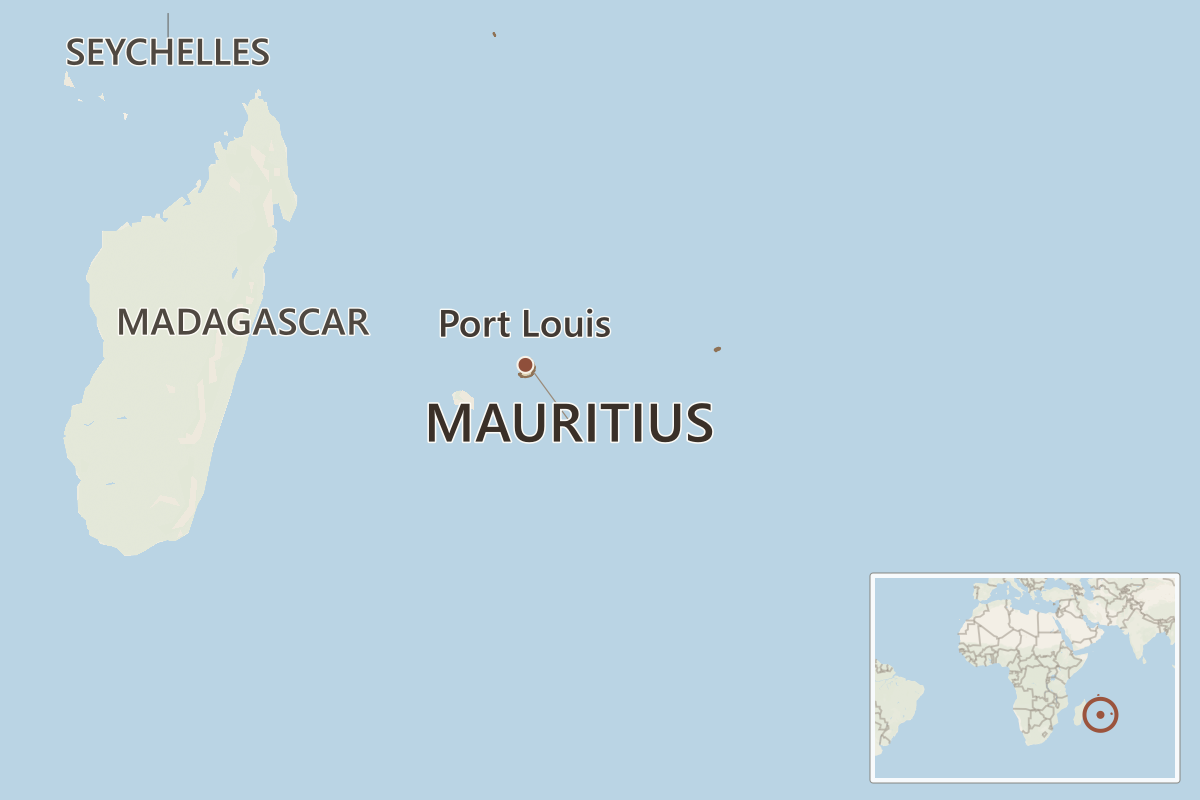
The Republic of Mauritius includes the main island, Rodrigues, Agalega, and other smaller islands. Its population stood at about 1.24 million at the end of 2025 and has begun to decline and grow older. These changes affect families, employment, pensions, healthcare, and public finances. Rodrigues and the outer islands also have particular needs involving transport, water, employment, public services, and protection from severe weather.
People from several ethnic, linguistic, and religious communities live together in Mauritius. The country’s relative peace is precious, but it must be sustained through justice, honesty, mutual respect, and protection for vulnerable people. Churches need wisdom to serve their neighbours well while speaking about Jesus Christ with courage, humility, and biblical faithfulness.
Mauritius also needs prayer because outward religious identity cannot give new life. Christian family background, baptism, church membership, or participation in religious ceremonies must not be confused with repentance and saving faith. Pray that churches will proclaim salvation by grace alone, through faith alone, in Christ alone, and that many people will hear the gospel clearly and follow Christ.
Country Snapshot
A brief orientation to Mauritius’s location, people, government, religious setting, and outer-island context.
Mauritius is a parliamentary republic. Navinchandra Ramgoolam serves as prime minister, and Dharambeer Gokhool has served as president since December 2024. The present government came to office after the November 2024 general election and a peaceful transfer of political authority.
The Mauritian economy was once dominated by sugar. It now also depends on tourism, financial services, manufacturing, fisheries, information technology, and other service industries. This economic diversification has improved education, infrastructure, and living standards for many people. Serious difficulties remain, including inequality, public debt, shortages of some skills, and exposure to changes in the global economy.
Mauritius includes Hindu, Christian, Muslim, and other religious communities. Many religious percentages still quoted for the country come from older census material and do not give a precise picture of religious affiliation in 2026. A census or denominational label may tell us how a person identifies. It cannot tell us whether that person has been born again, trusts in Christ alone for salvation, or seeks to obey Scripture.
Spiritual and Practical Challenges Affecting Christians and Churches
Churches serve in a religiously diverse society where inherited religious identity may be mistaken for saving faith, some families face economic uncertainty, migrant workers may be exploited, and poorer communities are often less able to prepare for climate threats.
Religious identity without saving faith
Christian family background, baptism, church membership, or participation in religious ceremonies must not be confused with the new birth and saving faith. Churches need to teach clearly that sinners are reconciled to God by grace alone, through faith alone, in Christ alone. Salvation does not come through family tradition, moral effort, religious ceremonies, or loyalty to an institution.
Speaking clearly about Christ in a diverse society
Mauritian Christians live among neighbours from several religious traditions. This creates daily opportunities for friendship, practical service, thoughtful conversation, and gospel witness. It may also make some believers reluctant to speak clearly about Christ because they do not want to disturb peaceful relationships. Peaceful neighbourly relationships are good, but they do not require Christians to pretend that all religions teach the same truth.
Young people, employment, and family life
Difficulty finding suitable work can leave younger adults discouraged and uncertain about the future. Some consider leaving the country. Others face rising costs, delayed independence, or pressure within their families. Churches can help through discipleship, mentoring, family support, and practical guidance about work, responsibility, disappointment, temptation, and perseverance.
Migrant workers at risk of exploitation
Foreign workers contribute to construction, manufacturing, fishing, domestic work, and other parts of Mauritian life. Some may be recruited dishonestly, placed in debt, deprived of their documents, made to work in unsafe conditions, or frightened into silence when abuse occurs. Churches should see migrant workers as neighbours made in God’s image, not merely as labourers.
Climate threats do not affect everyone equally
Cyclones, floods, water shortages, coastal erosion, and rising temperatures place the greatest strain on people who have the fewest resources. Families living in insecure housing or depending on fishing, farming, coastal work, or seasonal tourism may find it especially difficult to prepare or rebuild.
Christian Life and Witness in Mauritius
Christian ministry is visible across several traditions, but the country’s deeper need is for churches to be continually reformed by Scripture and faithful to the gospel.
Mauritius has Roman Catholic, Anglican, Presbyterian, evangelical, Pentecostal, independent, and other churches and communities that describe themselves as Christian. These labels describe the country’s religious setting, but they do not show that every doctrine, practice, institution, or congregation is equally faithful to Scripture.
Local ministry sources describe congregational worship, children’s and youth work, Christian teaching, prayer meetings, outreach, and practical care in particular congregations. They do not show that every church is spiritually healthy or that most people who identify as Christian understand and believe the gospel.
Pray for every congregation where Christ is faithfully proclaimed and Scripture is carefully taught. Ask God to raise pastors and elders who meet the biblical qualifications for leadership, protect churches from false teaching and manipulation, and help believers live holy, compassionate, and courageous lives.
Pray for true unity among believers who trust in Christ and hold to the gospel taught in Scripture. Where churches work together to care for people in need, serve the public, or defend freedom of worship, pray that they will do so honestly and without setting aside important biblical convictions.
Recent Developments
The unfinished Chagos agreement, slower economic growth, youth unemployment, demographic change, and climate adaptation are among Mauritius’s main public concerns in 2026.
-
May 2025-August 2026
The Chagos agreement has not entered into force
Mauritius and the United Kingdom signed an agreement on May 22, 2025 concerning the Chagos Archipelago, including Diego Garcia. Mauritius regards the agreement as recognition of its sovereignty over the archipelago. The agreement would also allow the United Kingdom to continue exercising specified rights connected to the Diego Garcia military facility. As of August 5, 2026, the treaty had not entered into force, and related UK and US arrangements remained unfinished.
Prayer significance: Pray that governments will tell the truth about past wrongs, listen carefully to Chagossian people, protect displaced families, and make wise decisions about security and environmental stewardship.
-
July 2026
The IMF projects slower growth and notes fiscal pressure
Mauritius’s economy grew by an estimated 3.2 percent in 2025, but the IMF projected slower growth of 2.8 percent in 2026. It also identified high public debt, an ageing population, shortages of some skills, and the high cost of preparing for climate change.
Prayer significance: Pray for honest and compassionate decisions that protect vulnerable households while strengthening the country’s long-term stability.
-
2025-2026
Young people face heavier unemployment
Overall unemployment was 5.7 percent in 2025, while unemployment among people aged 16 to 24 was considerably higher. High youth unemployment affects whether young adults can find suitable work, whether families can meet daily expenses, and whether they can build stable futures without leaving the country.
Prayer significance: Pray for dignified work, wise training, ethical employers, strong families, and churches that support young adults with practical help and biblical hope.
-
August 2026
Preparing for climate threats remains a national priority
Mauritius is exposed to cyclones, flash floods, extreme heat, sea-level rise, coastal erosion, loss of wildlife and natural habitats, and pressure on water supplies. Coastal communities and people who depend on fishing, agriculture, tourism, transport, or insecure housing may face the greatest losses.
Prayer significance: Pray for safer buildings, stronger drainage and water systems, protection for exposed coastlines, and practical support for communities with fewer resources.
Mauritius is not facing a nationwide natural-disaster emergency at present, but it needs sustained preparation for cyclones, flooding, coastal erosion, extreme heat, and water shortages.
How to Pray
Pray for clear gospel preaching, faithful churches, dignified and fair work, wise leadership, peace among different communities, and practical preparation for climate threats.
-
Pray for clear preaching of the gospel. Ask God to raise pastors, elders, teachers, parents, and ordinary believers who explain Scripture faithfully and direct people to Christ alone for salvation.
-
Pray for conversion and faithful discipleship. Pray that inherited religion and outward ceremony will not take the place of repentance, faith, holiness, and obedience to God’s Word.
-
Pray for young people and families. Ask God to provide suitable work, wise mentors, strong homes, and hope rooted in Christ rather than income or social position.
-
Pray for justice at work. Pray for honest recruitment, safe working conditions, fair wages, responsible employers, and protection for Mauritian and migrant workers who are vulnerable to abuse.
-
Pray for honest and compassionate leadership. Ask God to give leaders humility and wisdom as they address debt, inequality, an ageing population, employment, social protection, and the needs of poorer households.
-
Pray for protection from climate threats. Pray for wise preparation for cyclones, floods, coastal erosion, water shortages, heat, and other environmental dangers. Ask God to protect lives and livelihoods and guide the responsible care of the land and sea.
-
Pray for peace among different communities. Ask God to restrain hatred, prejudice, radicalisation, and the political misuse of religious or ethnic identity. Pray for kindness and justice between neighbours without confusion about the truth of the gospel.
-
Pray for Rodrigues, Agalega, and the outer islands. Pray for reliable transport, healthcare, education, water, employment, communication, and disaster preparation. Ask God to strengthen local churches and Christian ministry.
-
Pray for justice concerning the Chagos Archipelago. Pray for truthful negotiations, serious attention to Chagossian voices, mercy toward displaced families, protection of the environment, and decisions that value people above political prestige.
-
Pray for faithful churches and enduring hope in Christ. Ask God to strengthen churches as they serve older people, struggling families, migrants, and communities affected by disasters. Pray that the gospel will bear fruit, that believers will remain faithful, and that God’s kingdom will come.
Give Thanks
Give thanks for genuine mercies in Mauritius, while remembering that religious labels and institutions do not themselves prove faithfulness to the gospel.
-
Give thanks for elections and peaceful transfers of political authority. Thank God for the country’s tradition of elected government and the opportunity this gives leaders and citizens to pursue justice through public institutions.
-
Give thanks for freedom to worship openly. Churches and other religious communities ordinarily have space to gather publicly, teach, serve, and speak without severe state persecution.
-
Give thanks for every congregation where Christ is faithfully preached. Praise God wherever Scripture is carefully taught, believers are discipled, and sinners are directed to Christ alone.
-
Give thanks for Christian service to people in need. Thank God for ministries serving children, young people, families, migrants, older people, and communities facing practical hardship.
-
Give thanks for improvements in education, healthcare, literacy, and infrastructure. These improvements can strengthen families and widen opportunities when people across the country can benefit from them.
-
Give thanks for work to improve disaster preparation and protect coastlines. Thank God for people seeking to reduce future harm and care responsibly for the environment.
-
Give thanks for neighbours who live peacefully and help one another. Peaceful relationships across communities are a mercy that should be protected through truth, fairness, and mutual respect.
-
Give thanks for opportunities to confess Christ and serve the country honestly. Praise God for believers who show mercy, protect vulnerable people, and bear witness to Christ in daily life.
Last Verified / Update Note
This section records when the guide was reviewed, the main areas checked, and developments that may change Mauritius’s prayer needs.
Review Status
Reviewed and updated
This guide was reviewed on August 5, 2026. The review covered current national leadership, population and employment figures, economic conditions, climate vulnerability, migrant-worker protections and exploitation risks, religious freedom, selected examples of church life, and the status of the Chagos agreement.
The main burdens remain clear gospel preaching, genuine conversion and discipleship, suitable work for young people, protection for migrant workers, honest and compassionate government, peace among different communities, preparation for climate threats, fair attention to Rodrigues and the outer islands, and justice for Chagossian families.
Watch for any change in the legal status of the Chagos agreement; new decisions concerning Chagossian return, resettlement, compensation, or participation; major changes in national leadership or economic policy; and any severe cyclone, flood, water emergency, or coastal disaster that changes the country’s immediate prayer needs.
This guide uses official Mauritian sources, international institutions, UK parliamentary records, human-rights and religious-freedom reports, and selected local church sources. Detailed religious-composition figures are older than the other national statistics, and local ministry websites show examples of Christian activity rather than providing a complete measure of church health across the country.
Help keep this guide accurate and current
If you noticed a possible correction, broken link, or significant country update, please contact the Nations Prayer Directory so we can review it carefully.
Key Sources Consulted
The sources below include official statistics, international and parliamentary records, human-rights and religious-freedom reports, and local church material used in preparing this guide.
Government and official statistics
- Office of the Prime Minister of Mauritius. Used for the current prime minister and official responsibilities.
- Office of the President of Mauritius. Used for the current president and constitutional office.
- Statistics Mauritius. “Population and Vital Statistics, 2025.” Used for national population, population change, Rodrigues, other islands, and dependency context.
- Statistics Mauritius. “Labour Force, Employment and Unemployment, 2025.” Used for annual employment and unemployment evidence, including youth and female unemployment.
- Statistics Mauritius. “Labour Force, First Quarter 2026.” Used for the latest quarterly labour-market evidence consulted.
- Statistics Mauritius. “2011 Population Census Main Results.” Used for older census context and the date limitation affecting detailed religious-demography figures.
- Government of Mauritius. “Chagos Archipelago—Location and History.” Used for Mauritius’s official sovereignty position and the May 2025 agreement.
- Mauritius Ministry of Labour. “Special Migrant Workers Unit.” Used for official responsibilities involving contracts, inspections, complaints, enforcement, and worker accommodation.
International, parliamentary, and independent sources
- International Monetary Fund. “Mauritius: 2026 Article IV Consultation.” Used for growth, public debt, fiscal pressure, demographic change, productivity, and the economic outlook.
- World Bank. “Mauritius Country Climate and Development Report.” Used for sea-level rise, heat, cyclones, flooding, coastal exposure, water pressure, adaptation needs, and climate-related employment opportunities.
- UK Parliament. “Diego Garcia Bill and End of the 2024-2026 Session.” Used for the UK implementation bill, its intended purpose, and its failure to progress after April 29, 2026.
- House of Lords International Relations and Defence Committee. “Chagossian Views on the UK-Mauritius Agreement.” Used for Chagossian experiences, differing views, distrust, resettlement concerns, and demands for participation.
- U.S. Department of State. “2025 Trafficking in Persons Report: Mauritius,” hosted by ECOI. Used for migrant-worker vulnerability, anti-trafficking efforts, deceptive recruitment, labour exploitation, and victim-protection concerns.
- U.S. Department of State. “2023 International Religious Freedom Report: Mauritius,” hosted by ECOI. Used for constitutional protection, legal recognition of religious groups, recognition disparities, and the wider religious-freedom setting.
- Freedom House. “Mauritius: Freedom in the World 2025.” Used for electoral government, civil liberties, religious freedom, corruption concerns, media conditions, and institutional context.
- Human Rights Watch. “Submission on Mauritius and Chagossian Rights.” Used for displacement, consultation, reparations, return, and human-rights concerns.
Church and ministry context
- Presbyterian Church of Mauritius. Used for examples of congregations, worship, multilingual ministry, youth work, children’s ministry, training, family ministry, and social service.
- Federation of Christian Churches in the Indian Ocean. Used for examples of evangelical congregations, prayer meetings, home groups, children’s work, youth ministry, and ministry on Rodrigues.
Source Context
These notes explain the age and limits of the religious data, what local church websites can and cannot show, how perspectives on Chagos differ, and why economic and climate projections may change.
Source Context
- Verification date. Leadership, economic, labour-market, Chagos, climate, migrant-worker, religious-freedom, and church-life sources were checked for this guide on August 5, 2026.
- Chagos status. Mauritius and the United Kingdom signed an agreement in May 2025, but the treaty had not entered into force by the review date. The signed agreement should not be confused with completed implementation. Mauritius’s official position, the UK legislative position, and Chagossian concerns represent distinct perspectives.
- Chagossian perspectives. Chagossian people do not hold one uniform view about sovereignty, resettlement, compensation, the Mauritian government, or the agreement. No single organization or quoted position represents every Chagossian family.
- Religious-composition data. Older religious percentages should not be read as a precise picture of Mauritius in 2026. The latest detailed breakdown consulted comes from 2011 census-based material. Religious identity in census data also does not prove personal faith, regeneration, or doctrinal faithfulness.
- Church-life evidence. Local church websites provide examples of congregations, worship, teaching, youth work, prayer meetings, outreach, and practical service. They do not provide a national measure of church attendance, conversion, discipleship, or theological health.
- Migrant-worker evidence. Mauritian government sources describe legal protections, inspections, complaint processes, and the responsibilities of the Special Migrant Workers Unit. The trafficking report provides an outside assessment of continuing exploitation risks and weaknesses in victim protection. Together, these sources show both the protections in law and the exploitation risks that remain in practice.
- Economic and climate projections. IMF and World Bank projections describe risks and possible future outcomes. They are not guarantees. Economic growth, inflation, public debt, employment, climate costs, and adaptation plans may change after this review.
A Closing Prayer for Mauritius
A prayer bringing Mauritius’s present needs before the Lord.


