

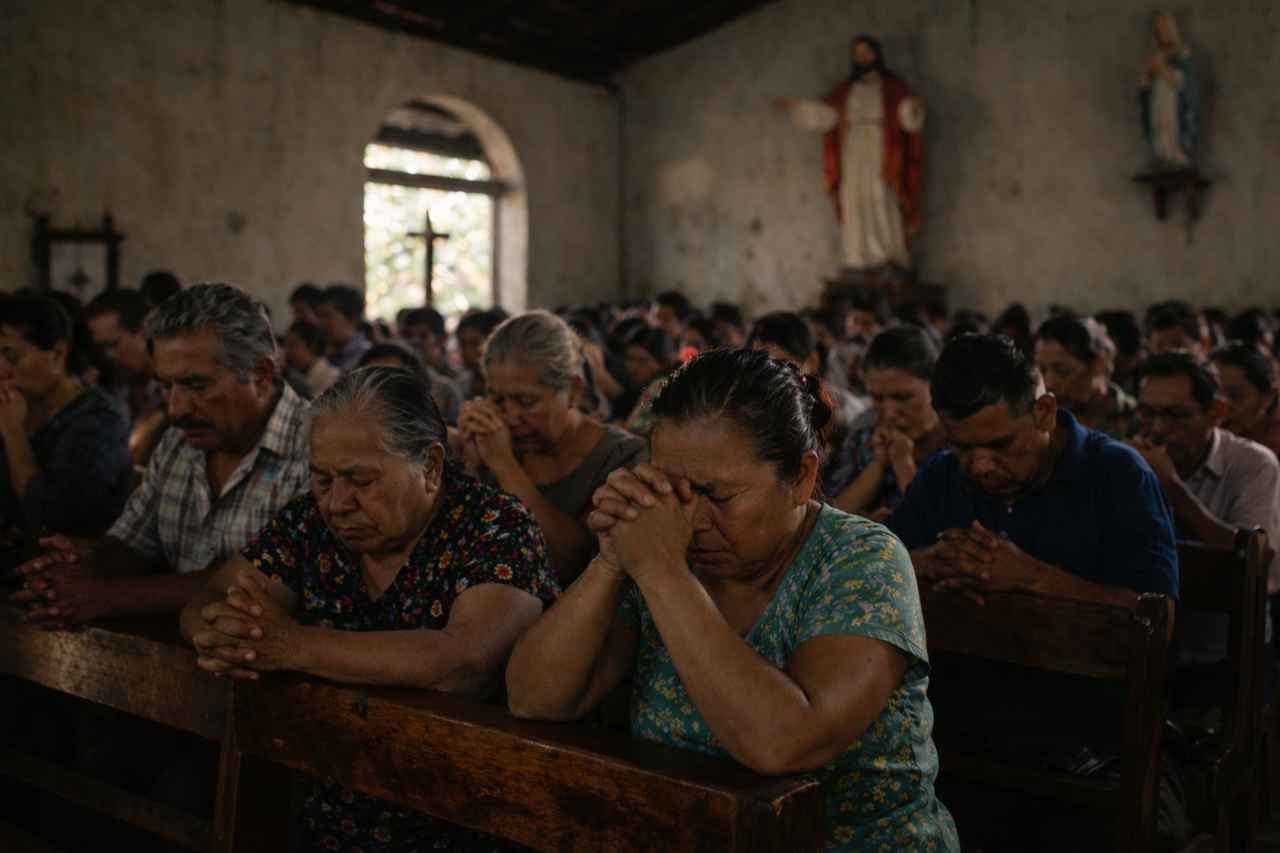
Nicaragua needs prayer because political authority is increasingly concentrated, proposed constitutional changes could further restrict meaningful political participation, and religious leaders and congregations face surveillance, questioning, detention, exile, limits on public worship, and threats to their legal status or property.
On July 19, 2026, Daniel Ortega said Nicaragua would not again hold elections through which political opponents could gain control of the government. National Assembly leaders later said elections would continue, but under a revised constitutional framework intended to exclude candidates and parties the government associates with attempted coups, foreign funding, sanctions advocacy, or outside interference.
On July 28, the National Assembly referred a partial constitutional-reform proposal to a special commission for consultation. An official summary says the proposal would establish seven-year renewable terms. Official Assembly reports showed consultations continuing through July 30, but no commission report or first-legislature vote had yet been published. The proposal’s final wording, election timetable, candidate restrictions, party rules, and legal effect had therefore not been decided.
These national developments affect the setting in which churches worship, preach, care for suffering people, and speak openly about justice. Yet believers still gather, pray, teach Scripture, serve their neighbours, and confess Christ. Nicaragua therefore calls for prayer shaped by truth, compassion, courage, and confidence in the Lord who rules over every nation.
Prayer Burden at a Glance
Pray for churches in Nicaragua to honour Christ when worship, preaching, prayer, and ministry are closely watched. Ask God to protect detained, restricted, and exiled people; comfort separated families; preserve honest legal defence; restrain unjust uses of power; and bring rulers, officials, political opponents, and ordinary citizens to repentance and faith in Christ.
Ask the Lord to prevent proposed constitutional and electoral changes from increasing injustice or fear. Pray that believers would resist both intimidation and political hatred, that the gospel would bear fruit across Nicaragua, and that the church would obey Christ while praying, “Your kingdom come.”
Last verified: July 31, 2026
Why Nicaragua Needs Prayer Now
Changes to Nicaragua’s political and legal institutions are affecting the freedom with which churches and citizens can speak, worship, serve, and seek justice.
Ortega’s July 19 statement connected proposed legislation with preventing political opponents from gaining power through elections. Government officials later said elections would continue and presented the proposed changes as protections for national sovereignty, stability, peace, and programmes intended to reduce poverty. They described possible restrictions on candidates and parties accused of attempted coups, accepting foreign financing, seeking international sanctions, or acting against national sovereignty.
Independent Nicaraguan and regional sources have warned that these broad categories could be used to exclude political opponents and sharply limit meaningful electoral competition. Because the proposal has not completed the constitutional approval process, the guide must neither minimize its importance nor describe it as law already in force.
This matters for Christian life because concentrated authority and weakened legal protections can make people afraid to speak honestly, assist detainees, defend those who have been mistreated, or address injustice in preaching and prayer. Church leaders may face scrutiny not only for political statements, but also for pastoral ministry connected to prisoners, exiles, grieving families, or people deprived of citizenship.
Prayer for Nicaragua must therefore include the direct restrictions affecting churches and the broader conditions affecting conscience, justice, family life, lawful protection, and open Christian service.
Country Snapshot
A brief orientation to Nicaragua’s location, people, government, and religious-freedom setting.
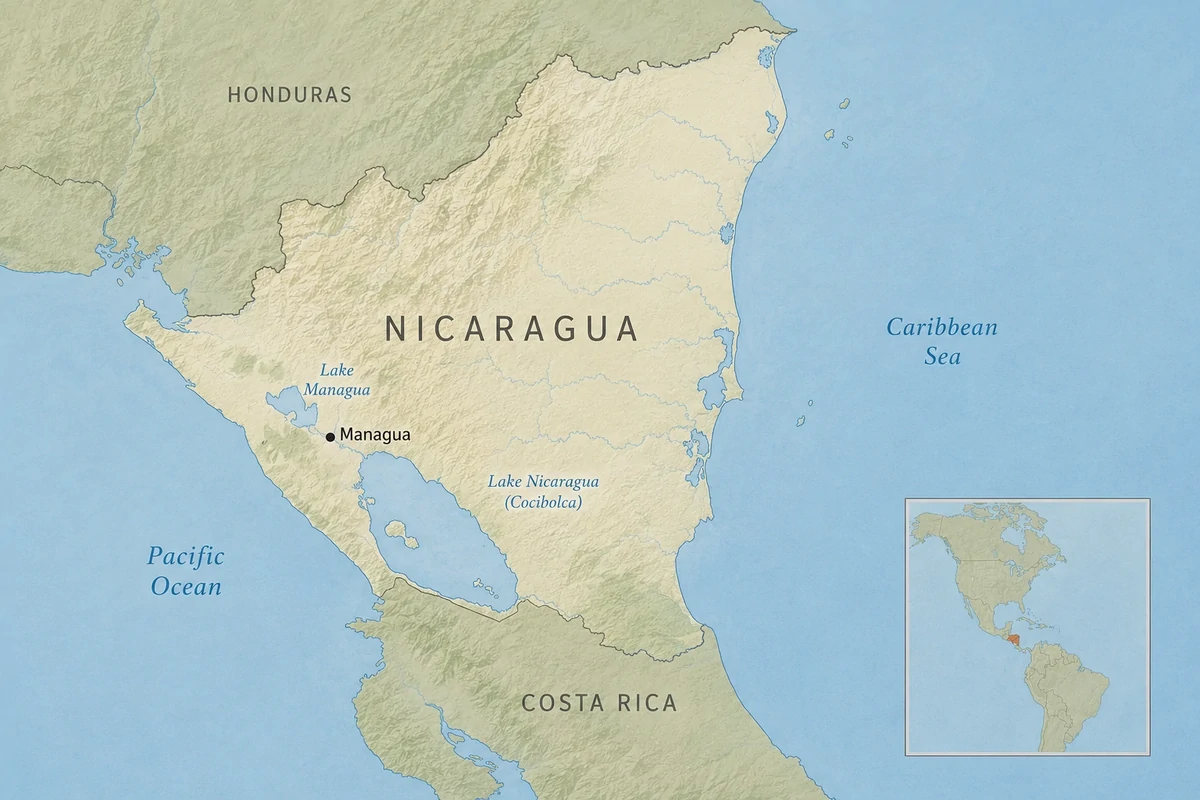
The current constitutional order provides six-year presidential terms. The proposal introduced in July 2026 would establish seven-year renewable terms. As of July 30, consultations were still underway, and the proposal had not become law.
Nicaragua’s widespread identification with Christianity should not be confused with repentance, regeneration, or saving faith in Christ. Inherited religion, denominational membership, baptism, or participation in a religious institution does not by itself show that a person has trusted Christ or submitted to His Word. Nicaragua needs both protection for people facing unjust treatment and spiritual renewal among all who profess the Christian name.
Spiritual and Practical Challenges Affecting Christians and Churches
Churches and believers face surveillance, restrictions on worship and ministry, detention or exile, and weakened legal protection for vulnerable people.
Surveillance and control of religious speech
Pastors, priests, deacons, Bible teachers, and congregations may face scrutiny when preaching, prayer, or pastoral care addresses detention, exile, injustice, or public suffering. Religious leaders have reportedly been monitored, questioned, restricted in their movements, or warned against speaking openly about national conditions.
Church leaders therefore need wisdom to care for vulnerable people without exposing them needlessly. They also need courage to speak biblical truth without confusing recklessness with obedience.
Restrictions on worship and Christian institutions
Public processions and other religious activities have repeatedly been prohibited or confined to church property. Religious organizations, schools, charities, and ministries have also faced loss of registration, property seizure, frozen finances, or other administrative action.
Treatment varies according to location, leadership, visibility, and perceived political loyalty. Even so, the possibility of government intervention creates fear and restricts the independence with which churches can worship, teach, serve communities, and care for people in need.
Detention, exile, and restricted ministry
The June detention of Bishop emeritus Abelardo Mata, two priests, and a deacon showed how religious ministry can draw direct state scrutiny. Christian Solidarity Worldwide reported that Bishop Mata had prayed about religious persecution and about church leaders living in exile or under restrictions shortly before his detention.
The government said Bishop Mata had been questioned about property and family matters, had returned home in good condition, and had been treated respectfully. The Inter-American Commission on Human Rights later said that his freedom of movement, personal safety, access to visitors, and whereabouts still required clarification.
These accounts must remain clearly attributed until stronger independent confirmation is available.
Weakened legal protection and vulnerable people
The difficulties facing churches form part of a broader national setting affecting political prisoners, lawyers, journalists, exiles, Indigenous communities, and families separated by detention or loss of nationality.
In July, an uncertain but possibly large number of lawyers discovered that their professional credentials had been removed from the Supreme Court registry without individual explanation. When detainees cannot obtain independent legal representation, they and their families may have fewer ways to challenge unlawful treatment or obtain reliable information.
Inter-American human-rights bodies have also raised concerns about political detainees, alleged torture and other mistreatment, people held without public information about their health or location, and the death in state custody of Miskitu Indigenous leader Brooklyn Rivera.
A country prayer guide should not become a catalogue of political cases. These developments nevertheless show why Christians should pray for lawful protection, accurate information, justice for people who have been wronged, and mercy for families living with fear and uncertainty.
Christian Life and Witness in Nicaragua
Christian obedience often requires careful judgment when worship, pastoral care, family relationships, and help for vulnerable people may attract official attention.
Church leaders must consider how to address injustice without needlessly placing congregations or vulnerable families in danger. Believers may face consequences for assisting detainees’ families, maintaining contact with people in exile, joining public religious activities, or speaking openly about those who have been imprisoned or deprived of citizenship.
Families may worship while grieving for relatives who have left the country, cannot return safely, or have lost their legal connection to Nicaragua. Congregations may gather while knowing that sermons, prayers, charitable work, finances, or property could attract official attention.
These circumstances also test the spiritual life of churches. Fear can produce silence. Political anger can weaken love for neighbours and enemies. The desire for security can lead religious leaders to accommodate those in power. Opposition to injustice can itself become an identity that displaces loyalty to Christ.
Christian obedience therefore includes clear gospel preaching, careful pastoral care, truthful prayer, love for enemies, help for vulnerable people, and refusal to let political allegiance govern the church.
Not every person or institution carrying a Christian label teaches the gospel clearly, and congregations do not all respond to government control in the same way. The proper prayer is not an unqualified endorsement of every religious institution. It is that all professing Christian communities would be corrected and renewed by God’s Word, that Christ would be proclaimed clearly, and that believers would grow in holiness, mercy, wisdom, and courage.
There are credible signs of God’s preserving mercy. Congregations still gather, and believers still pray, worship, read Scripture, and care for others even when public religious activities are restricted or watched. Their perseverance should not be romanticized, but it should lead Christians elsewhere to thank God and pray that His people will remain obedient to Christ.
Recent Developments
Key developments shaping Nicaragua’s political, legal, religious-freedom, and prayer context.
-
January 2025
Greater concentration of constitutional authority
Constitutional changes formalized the co-presidency of Daniel Ortega and Rosario Murillo, extended presidential terms from five to six years, and increased executive authority across Nicaragua’s state institutions.
Prayer: Ask God to restrain the misuse of authority and preserve justice, truth, and lawful accountability.
-
January 2026
Restrictions affecting nationality
Nicaragua completed another constitutional reform under which most Nicaraguans who acquire another nationality lose Nicaraguan nationality. The government presented the change as a defence of loyalty and sovereignty. Critics connected it to the punishment of exiles and political opponents.
Prayer: Pray for people deprived of nationality, legal identity, property, or the ability to return home, and for families divided by exile.
-
March 2026
Surveillance and intimidation beyond Nicaragua
United Nations human-rights experts reported that public resources were being used to sustain repression and that surveillance and intimidation reached Nicaraguans living in exile.
Prayer: Ask the Lord to protect exiles and their families and to expose intimidation that crosses national borders.
-
May 2026
Updated concerns about religious freedom
The U.S. Commission on International Religious Freedom reported that laws concerning treason, sovereignty, cybercrime, finance, and organizational registration were being used against religious people and organizations. It said Roman Catholic and Protestant communities, Indigenous people, and Nicaraguans in exile faced detention, loss of legal status, surveillance, and other restrictions.
Prayer: Pray that churches would remain rooted in Scripture and serve wisely when legal and administrative measures restrict ministry.
-
June and July 2026
Religious leaders detained
Bishop emeritus Abelardo Mata, two priests, and a deacon were detained after a religious service in Estelí. The government later said Bishop Mata had returned home in good condition. Independent religious-freedom monitors and the Inter-American Commission on Human Rights sought further information about his safety, access to visitors, and freedom of movement.
Prayer: Pray for the safety, freedom, faith, and families of detained or restricted religious leaders.
-
July 2026
Lawyers removed from the professional registry
An uncertain but possibly large number of lawyers discovered that their credentials had been removed from the Supreme Court registry without individual notice or a publicly stated reason. The exact number has not been firmly established.
Prayer: Ask God to preserve honest legal representation and give judges and lawyers courage to act justly.
-
July 19–30, 2026
Proposed electoral and constitutional changes
On July 19, Ortega said Nicaragua would not again hold elections through which political opponents could gain governmental power. He called for legislation creating barriers against people and parties he associated with attempted coups and foreign interests.
National Assembly leaders later said elections would continue. They described proposed constitutional exclusions for candidates and parties associated with attempted coups, foreign financing, foreign intervention, sanctions advocacy, or actions judged harmful to national sovereignty.
Officials also described possible powers for the Supreme Electoral Council, Nicaragua’s election authority, to refuse legal recognition to parties or cancel candidacies under the proposed rules.
On July 28, the National Assembly referred a partial constitutional-reform initiative to a special commission for consultation and a report. The official summary says the proposal would establish seven-year renewable terms.
Official Assembly reports showed consultations continuing through July 30 with government institutions and other sectors. No commission report, first-legislature vote, promulgated amendment, or implementation guidance had yet been published. The proposal’s final wording, election timetable, candidate restrictions, party-recognition rules, candidacy-cancellation powers, and legal effect had therefore not been decided.
Prayer: Pray that constitutional and electoral decisions would protect justice and lawful accountability rather than deepen fear or arbitrary exclusion.
How to Pray
Bring Nicaragua’s churches, vulnerable people, public institutions, families, and need for the gospel before the Lord.
-
Pray for those who lead churches. Ask God to help pastors, priests, deacons, Bible teachers, and other leaders preach Scripture clearly, pray honestly, care wisely for vulnerable people, and resist fear, bitterness, personal ambition, and compromise.
-
Pray for congregations being watched. Pray that believers would worship without surrendering to intimidation, support one another when ministry becomes costly, protect vulnerable members, and speak of Christ with wisdom and courage.
-
Pray for detained and restricted people. Bring Bishop Abelardo Mata, other religious leaders whose freedom may be limited, political prisoners, and people held without adequate legal protection before the Lord. Ask Him to preserve their lives, prevent mistreatment, strengthen true believers, and comfort their families.
-
Pray for Nicaragua’s rulers and officials. Pray that God would restrain injustice and bring Daniel Ortega, Rosario Murillo, legislators, judges, election officials, police officers, and other authorities to humility, repentance, honesty, and concern for every person under their authority.
-
Pray for laws and courts that protect rather than punish. Ask God to prevent constitutional, electoral, and criminal laws from being used to silence lawful disagreement or punish people through vague accusations. Pray for judges and lawyers to act justly and for detainees to receive honest legal representation.
-
Pray for exiles, Indigenous communities, and separated families. Pray for people deprived of nationality, property, legal identity, or the ability to return home. Ask the Lord to protect Indigenous communities from neglect and abuse, reunite families where possible, and guard those who are separated from despair and hatred.
-
Pray for repentance, gospel fruit, and Christian hope. Pray that people across Nicaragua—including rulers, political opponents, security personnel, prisoners, exiles, and those who identify as Christian—would hear the gospel clearly, repent of sin, and trust in Christ alone. Ask God to keep His people holy and obedient as they pray, “Your kingdom come.”
Give Thanks
Give thanks for specific signs of God’s preserving mercy without minimizing Nicaragua’s suffering.
-
Give thanks for every congregation where Scripture is taught, Christ is proclaimed clearly, believers pray together, and people in need receive practical care.
-
Thank God for pastors, priests, lay leaders, families, and ordinary believers who have shown courage, mercy, and endurance. Pray that every commendable work would be increasingly governed by biblical truth and sincere trust in Christ.
-
Give thanks that detention, restrictions on worship, loss of nationality, Indigenous suffering, and the treatment of religious communities have not remained completely hidden. Journalists, lawyers, church sources, religious-freedom monitors, and international bodies have preserved testimony and drawn attention to people who might otherwise be forgotten.
-
Give thanks that no government can overturn God’s purposes. Ask Him to preserve His church, save sinners, strengthen love and holiness among believers, and make the gospel fruitful throughout Nicaragua.
Last Verified / Update Note
This note explains when the guide was reviewed, what was checked, and which developments may affect future prayer use.
Review Status
Reviewed for current prayer use
Nicaragua’s current constitutional and governmental structure; Daniel Ortega’s July 19 statement about future elections; the government’s later statement that elections would continue; the partial constitutional-reform proposal introduced on July 28; consultations reported through July 30; proposed seven-year renewable terms; proposed restrictions affecting candidates and parties; the detention and uncertain present status of Bishop Abelardo Mata; recent restrictions affecting Roman Catholic and Protestant communities; the removal of lawyers from the professional registry; political detention, exile, nationality, Indigenous, worship, church-property, and legal-protection concerns.
Pray for churches to preach Scripture clearly, worship Christ, care for vulnerable people, and resist fear, political hatred, and compromise. Pray for detained or restricted religious leaders, political prisoners, Indigenous communities, exiles, lawyers, and separated families. Ask God to restrain injustice, preserve honest legal protection, bring rulers and citizens to repentance, and make the gospel fruitful across Nicaragua.
The special commission’s report; the outcome of constitutional consultations; any first- or second-legislature vote; promulgation or Gazette publication; final rules concerning presidential terms, candidate eligibility, political-party recognition, and cancellation of candidacies; an authoritative national election timetable; independent confirmation of Bishop Abelardo Mata’s freedom and safety; and reliable information about lawyers removed from the professional registry.
Official Nicaraguan sources are used to show the government’s words, stated rationale, and legislative process. Independent Nicaraguan, regional, church, religious-freedom, inter-American, United Nations, and international reporting is used to examine reported effects and outside concerns. The proposed constitutional changes had not become law at the time of review. Bishop Mata’s present status and the number of affected lawyers could not be independently confirmed, so those matters are described with attribution and caution.
Help keep this guide accurate and current
If you noticed a possible correction, broken link, or significant country update, please contact the Nations Prayer Directory so we can review it carefully.
Key Sources Consulted
Sources that materially informed this Nicaragua prayer guide, including official constitutional records, government statements, religious-freedom reporting, human-rights material, and demographic background.
Government and constitutional process
- El 19 Digital. “Palabras del Comandante Daniel Copresidente de Nicaragua en el Acto Central en Celebración del 47 Aniversario de la Revolución Popular Sandinista.” Speech delivered July 19, 2026.
- National Assembly of Nicaragua. “Nicaragua Triunfa en Paz y Unidad Siempre Más Allá.” Published July 28, 2026; records the government’s position that elections will continue and describes its stated rationale and proposed exclusions.
- National Assembly of Nicaragua. “Plenario conoce y remite a Comisión Especial de Carácter Constitucional Iniciativa de Ley de Reforma Parcial a la Constitución Política.” Published July 28, 2026; records the proposal’s referral for consultation and the proposed seven-year renewable period.
- National Assembly of Nicaragua. “Policía Nacional participa en proceso de consulta de reformas constitucionales.” Published July 30, 2026; confirms that consultations were still continuing.
- National Assembly of Nicaragua. “Texto Íntegro de la Constitución Política de la República de Nicaragua.” Used for the current constitutional framework and amendment procedure.
Religious freedom, church life, and human rights
- Nicaraguan Ministry of the Interior. “Nota de Prensa.” Published July 4, 2026; gives the government’s account of Bishop Abelardo Mata’s questioning and reported return home.
- Inter-American Commission on Human Rights. “IACHR urges Nicaragua to report on the whereabouts of Bishop Abelardo Mata.” Published July 16, 2026.
- Christian Solidarity Worldwide. “Bishop and Roman Catholic leaders arbitrarily detained.” Published July 6, 2026; reports the detention of Bishop Mata and other religious leaders.
- U.S. Commission on International Religious Freedom. “Nicaragua Continues its Unrelenting Campaign to Eliminate Religious Freedom.” Published May 5, 2026.
- United Nations Office at Geneva. “HRC investigative bodies press conference following release of the Group of Human Rights Experts on Nicaragua report.” Published March 10, 2026.
- United Nations Office at Geneva. “UN Geneva Press Briefing.” Used for reporting concerning the death in custody of Miskitu Indigenous leader Brooklyn Rivera.
- Associated Press. “Nicaragua strips lawyers from practicing in ongoing crackdown on dissent.” Published July 10, 2026.
- ACI Prensa. “Semana Santa 2026 en Nicaragua tuvo iglesias llenas de fieles, con restricciones y asedio.” Published April 6, 2026; used for the retained context of restricted public worship and continued church attendance.
Constitutional, demographic, and religious background
- International IDEA. “Nicaragua — January 2025.” Used for background on the 2025 constitutional changes and concentration of executive authority.
- ConstitutionNet. “Nicaragua amends constitution ending right to dual citizenship.” Published January 16, 2026.
- World Bank. “Nicaragua — Data.” Used for the rounded population figure.
- Pew Research Center. “Religion in Latin America.” Used cautiously for broad historical religious-identification context; current denominational proportions may differ.
Source Context
How to read the sources behind this guide in a contested and fast-changing political and religious-freedom setting.
Source Context
- Official sources. Government and National Assembly pages show what Nicaragua’s authorities said, proposed, and reported about the constitutional process. They establish the official position and procedural record, but do not by themselves settle questions about fairness, implementation, or effects on political participation.
- Constitutional proposal. Official summaries and consultation reports were available, but a complete final enacted text was not. As of July 30, consultations were still underway, and no commission report, legislative approval, promulgation, or Gazette publication had been found. The guide therefore treats the seven-year period and proposed electoral restrictions as pending rather than operative law.
- Independent Nicaraguan reporting. Some independent Nicaraguan journalism is produced from exile because domestic media and civil-society space are restricted. Such reporting is attributed and compared with official, regional, inter-American, church, and international sources rather than treated as the sole account.
- Bishop Abelardo Mata. The government says Bishop Mata returned home in good condition. The Inter-American Commission on Human Rights and independent sources have said his location, access to visitors, freedom of movement, and safety could not be independently verified. The guide preserves both accounts and does not claim that his present status is settled.
- Lawyers’ registry status. Public reporting confirms individual removals from the professional registry, but no complete official list or explanation was found. The guide therefore gives no precise number.
- Religious composition. Religious-identification estimates vary by year and source, and some widely cited figures are old. Terms such as Roman Catholic, Protestant, evangelical, and Christian describe public or sociological identity; they do not establish personal regeneration, doctrinal faithfulness, or saving faith in Christ.
A Closing Prayer for Nicaragua
A concise prayer gathering Nicaragua’s present burdens before the Lord.


