

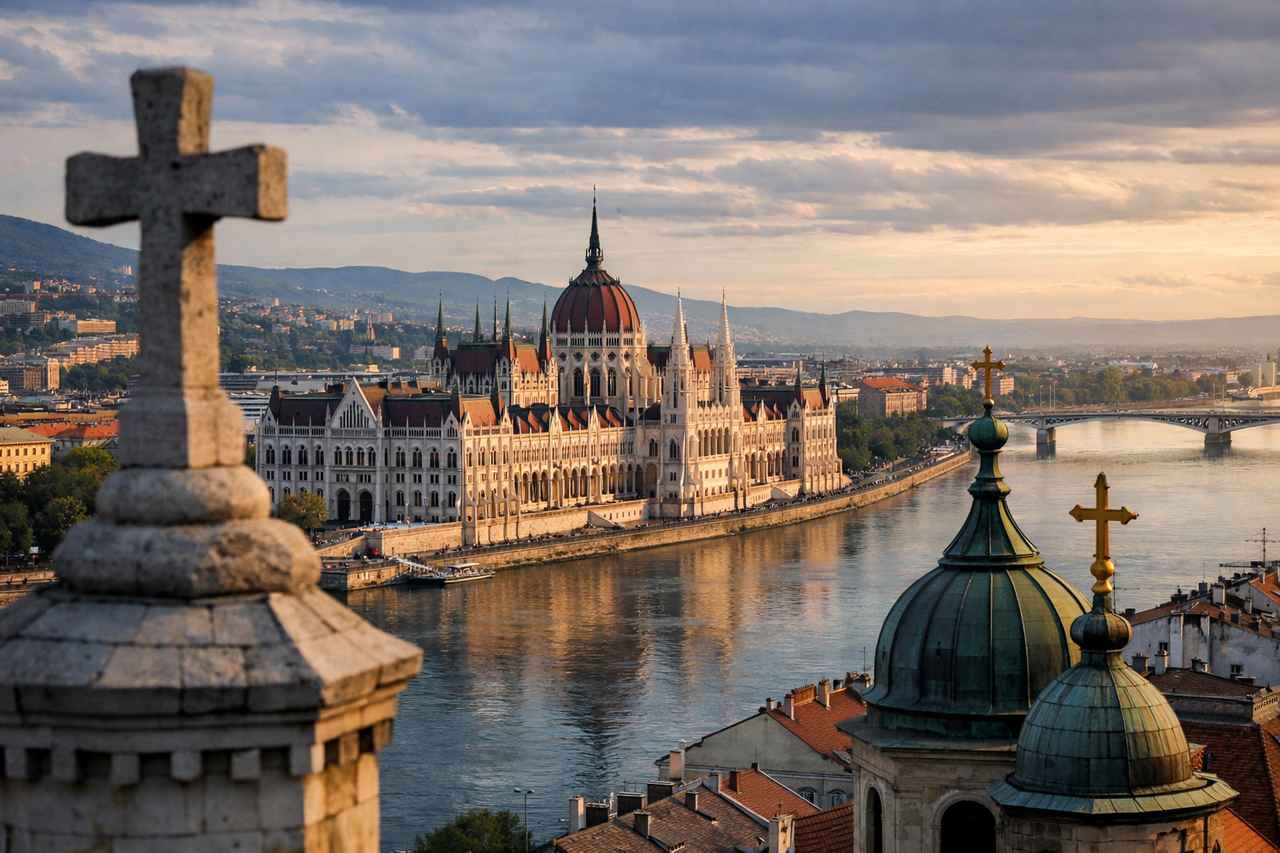
Hungary calls for prayer not because Christians there are cut off from public life altogether, but because faith, identity, politics, and public freedom have become entangled in ways that can easily blur the gospel. After the April 12, 2026 election ended Viktor Orbán’s 16-year rule, the country entered an unusually unsettled moment. This is a time to pray that believers in Hungary would remain steady, humble, and deeply rooted in Christ rather than swept along by fear, frustration, or political tribe.
Why Hungary Needs Prayer Now
Hungary is passing through a sharp political transition while deeper spiritual and public-life burdens remain.
Hungary needs prayer now because it is passing through a sharp political transition while still carrying deeper burdens that did not begin with this election. The country remains marked by polarization, contested public freedoms, and an uneasy relationship between Christianity and national identity. Péter Magyar’s victory has opened a new chapter, but it has not suddenly healed the mistrust, bitterness, or institutional strain that have built up over many years.
At the same time, Hungary’s public life has been shaped by culture-war legislation and by wider European tensions over democracy, rights, and the war in neighboring Ukraine. All of this affects the moral atmosphere in which churches live and witness. Christians in Hungary therefore need prayer not only for protection from obvious hostility, but also for discernment. They need grace to speak with biblical conviction and genuine love, and wisdom to remain faithful in a setting where Christian language can easily be used for political ends.
Country Snapshot
Compact background that helps readers pray with clearer understanding.
Hungary is a Central European nation of just under 10 million people. Christianity remains the country’s largest religious tradition, and the 2022 census showed that among those who answered the religion question, most identified as Catholic or Reformed. At the same time, a very large share either declined to answer or reported no religious affiliation. That points to a country shaped both by Christian heritage and by clear secular drift.
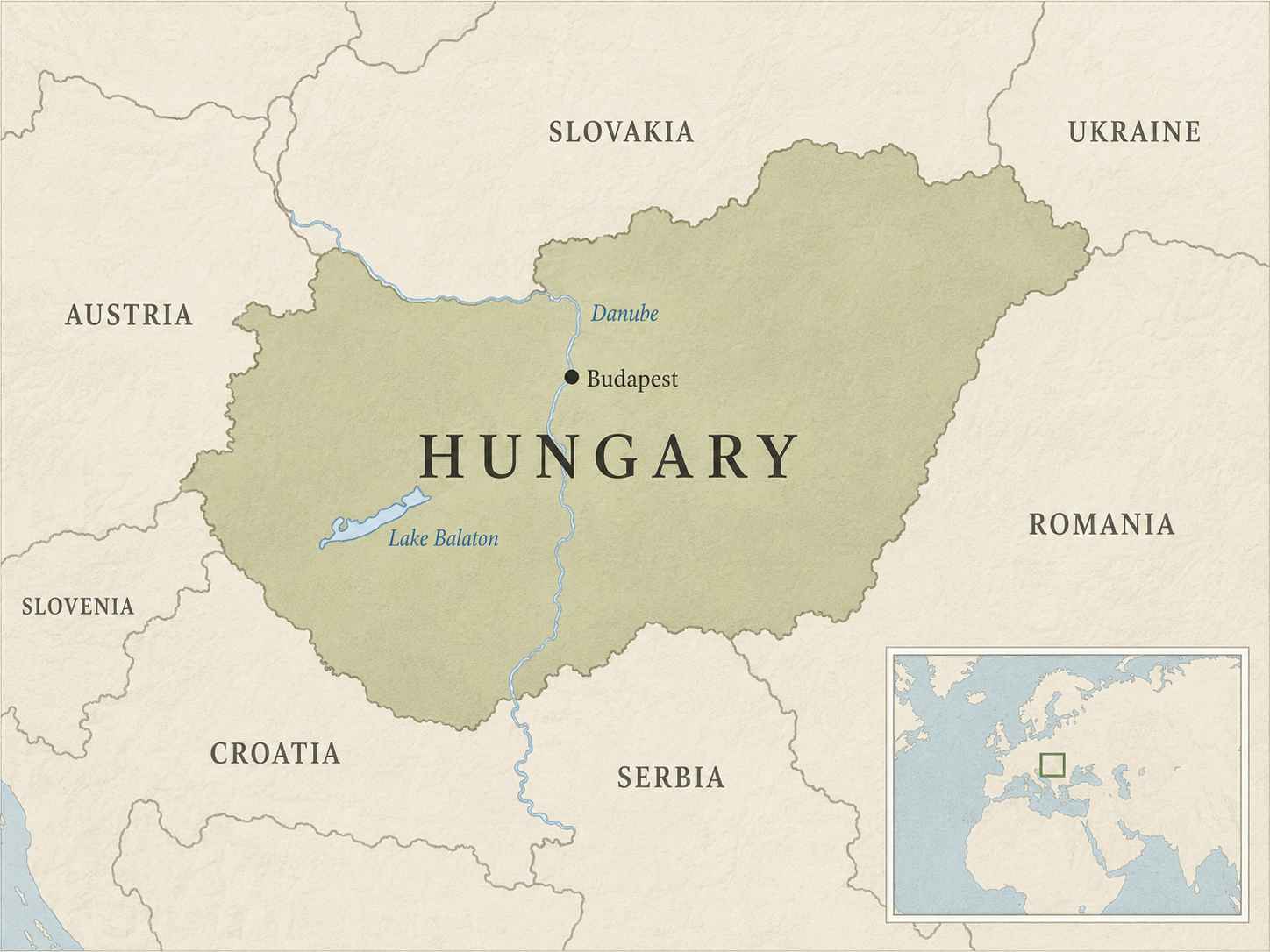
Hungary’s constitution provides for freedom of religion and the autonomy of religious communities, while also explicitly honoring Christianity’s role in preserving the nation. That combination reveals something important about the country. Christian faith is publicly visible in Hungary’s history and institutions, yet the line between living discipleship and cultural Christianity is not always clear.
Main Pressures Facing Christians
The pressures are often quieter than outright persecution, but they still shape worship, witness, discipleship, and public faithfulness.
Secular drift beneath historic Christian identity
One pressure facing Christians in Hungary is secular drift beneath historic Christian identity. Many people still live close to the language and memory of Christianity, but that does not necessarily mean deep faith or active discipleship. For churches, this creates a demanding ministry context. Pastors and congregations often serve among people who assume they already know what Christianity is, while remaining far from repentance, spiritual renewal, and lasting obedience to Christ.
The politicization of religion
Another pressure is the politicization of religion. When Christianity becomes closely tied to national identity, churches can be tempted to serve a political story rather than bear clear witness to the kingdom of God. That danger can take different forms. Some may grow defensive and partisan. Others may become cautious and silent. Either way, the church can lose some of its spiritual clarity. A 2024 UN assessment recognized that Hungary broadly protects freedom of religion or belief, yet still urged reforms so religious and belief communities could function without discrimination. That tension matters. Christians need courage not only to defend truth, but also to resist favoritism, fear, and unhealthy dependence on state power.
Life in a deeply polarized public square
A third pressure is life in a deeply polarized public square. Hungary’s 2025 legislation restricting LGBTQ public events, together with the use of facial-recognition enforcement, intensified national arguments about liberty, morality, state power, and the direction of the country. These conflicts do not remain outside the church. They shape speech, strain relationships, and make faithful Christian witness harder to carry with gentleness and truth. The pressure is not always dramatic, but it is real.
What Life Is Like for Christians in Hungary
A pastoral picture of ordinary Christian life in a country where public Christian heritage and spiritual need stand side by side.
For many believers in Hungary, ordinary Christian life still includes open worship, church buildings, Christian schools, public ministry, and visible expressions of faith. This is not a setting where most churches are forced underground. Yet the burden is still significant. The challenge is often quieter and more searching: how to live as a serious Christian in a society where faith may be honored as heritage, disputed as politics, or dismissed as irrelevant.
For pastors, parents, and younger believers, that can make ministry wearying. Churches must teach the gospel clearly in a culture where many think they already understand Christianity, even when their understanding is shallow, cultural, or badly distorted. Believers in minority or less-favored communities may also feel the strain of unequal treatment, even within a country where religious practice is broadly protected.
Hungary’s wider place within Europe adds another layer of weight. Long-running disputes about democracy, national direction, and the country’s posture toward Ukraine and Russia have shaped the public mood. Christians are called to live faithfully in the middle of that tension without being pulled into fear, hardness, or confusion. They need grace to be truthful without becoming harsh, and peaceable without becoming timid.
Recent Developments
Time-sensitive developments that materially shape how Christians should pray now.
-
April 2026
Election ends Viktor Orbán’s 16-year rule
The most important recent development is the April 12, 2026 election, in which Hungarian voters ended Viktor Orbán’s 16-year rule and handed victory to Péter Magyar and the Tisza party. Magyar has said he wants parliament convened quickly so that he can take office as early as May 5, and he has promised to restore the rule of law, rebuild Hungary’s ties with the European Union, and reverse parts of Orbán’s legacy. This has made Hungary unusually fluid at the moment. For many, it feels hopeful. In practice, it is still uncertain.
-
2025
Restrictions on LGBTQ public events intensify civic debate
Another major development came in 2025, when Hungary passed measures allowing the banning of LGBTQ public events and the use of facial-recognition tools against participants. These steps became a major flashpoint in the country’s debates over rights, order, morality, and the reach of the state. However one evaluates those debates, they have clearly deepened public tension and reinforced the sense that Hungary’s civic life is being contested at a very deep level.
-
October 2024
UN expert notes both broad religious freedom and need for reform
Religious-freedom concerns have also remained visible. In October 2024, a UN expert said Hungary deserved recognition for broad freedom of religion or belief, yet still needed reforms so all religious and belief communities could operate without discrimination. That warning is worth noting. Even where church life is visible and protected in many ways, fairness, humility, and equal treatment still matter.
How to Pray
Specific prayers rooted in the realities described above.
-
Pray that Hungary’s churches would remain clearly centered on Christ during this political transition, neither retreating into fear nor becoming captive to party loyalties.
-
Pray for pastors and church leaders to speak with biblical clarity, humility, and courage in a culture where Christianity can easily be treated as heritage or ideology rather than living faith.
-
Pray that believers would resist secular drift and nominal religion, and that many in Hungary would be brought to real repentance, spiritual renewal, and lasting discipleship in Christ.
-
Pray for fairness and wisdom in Hungary’s treatment of religious and belief communities, especially where minority groups still experience unequal standing or practical disadvantage.
-
Pray that Christians would model truth and love in the middle of Hungary’s heated public disputes, refusing both moral compromise and harsh, culture-war bitterness.
-
Pray for the next government and for all public officials, that they would act with justice, restraint, and integrity, and that Hungary’s future direction would strengthen what is good, honest, and peaceable.
Give Thanks
Honest thanksgiving for real signs of God’s preserving mercy and common grace.
- Give thanks that many Christians in Hungary can still worship openly, serve publicly, and maintain churches, ministries, and schools.
- Give thanks for the enduring presence of historic Christian communities in Hungary, even amid secularization, spiritual distance, and public confusion.
- Give thanks that this season of national change may open fresh space for honesty, reform, and renewed moral seriousness in public life.
Last Verified
Keep this section compact, clear, and easy to update.
- Prepared and verified
- April 14, 2026
- Last updated
- April 14, 2026
Key Sources Consulted
Descriptive source documentation for later review, updating, and editorial transparency.
- Associated Press reporting on Hungary’s April 12, 2026 parliamentary election and Péter Magyar’s move to take office as early as May 5.
- U.S. Department of State, 2023 Report on International Religious Freedom: Hungary.
- Hungarian Central Statistical Office, 2022 census religion summary.
- OHCHR press release, “Hungary: More reforms needed to address unequal treatment among religious and belief groups, says UN expert”.
- UN Human Rights Council / Special Rapporteur reporting on freedom of religion or belief in Hungary.
- Reuters reporting on Hungary’s 2025 restrictions on LGBTQ public events and facial-recognition enforcement, plus the European Parliament briefing on Hungary’s Pride ban.
- World Bank population data for Hungary.